Top Laser Welding Machine Options for Global Buyers?
The laser welding machine market is evolving rapidly. Buyers across the globe seek advanced technology to enhance their manufacturing processes. Choosing the right machine can greatly impact productivity and product quality.
These machines offer precision, speed, and versatility. Industries ranging from automotive to electronics rely on laser welding for durable connections. The demand for reliable equipment continues to rise. However, navigating various options can be challenging.
Understanding the specifications and features of different laser welding machines is crucial. Not all machines meet the same standards. Buyers need to assess their specific needs carefully. Each option carries its advantages and limitations. Investing in the wrong machine may lead to unexpected costs and inefficiencies. Therefore, informed decisions are essential for optimal results.
Top Features of Laser Welding Machines in 2023
The landscape of laser welding machines has evolved rapidly in 2023. Manufacturers have enhanced precision and efficiency, responding to the increased demand for high-quality welding in various sectors. According to a recent industry report, laser welding technology has achieved a market growth rate of over 7.2% annually. This growth correlates with advancements in features such as beam quality and automation capabilities.
Key features of modern laser welding machines include adjustable laser power and advanced control systems. These allow for better adaptability when working with different materials. Additionally, multi-axis systems are becoming more common, improving flexibility during operation. A notable improvement is the integration of real-time monitoring systems, which enhances quality control and reduces defects.
Tips for selecting the right laser welding machine include assessing your specific needs. Consider the material types and thicknesses you'll be working with. It’s important to balance equipment cost with expected returns. Regular training for operators enhances machine performance. Remember, innovation in this field can lead to high upfront costs, but long-term savings and efficiency are often more significant.
Market Analysis: Key Players in the Global Laser Welding Equipment Sector
The global laser welding equipment sector has seen significant growth in recent years. Key players in this market include a mix of established firms and emerging innovators. These companies focus on developing advanced technology to enhance precision and efficiency in laser welding processes. The demand for automation and smart technology is rising. Manufacturers are adapting their products to meet this trend.
Regional dynamics influence market trends and competition. Companies in Europe and North America often lead in innovation. Meanwhile, firms in Asia are rapidly expanding their capabilities. They focus on affordability and accessibility. However, inconsistencies in technology standards across regions present challenges. Buyers need to be cautious and conduct thorough assessments.
The future of the market looks promising, yet there are hurdles to overcome. The pace of technological advancement may outstrip regulatory frameworks. Companies need to ensure compliance while innovating. Additionally, skilled labor shortages could impact production capabilities. Buyers should consider these factors when exploring laser welding machine options. This emphasizes the need for continuous learning and adaptation in an evolving industry.
Comparative Review: CO2 vs. Fiber Laser Welding Technologies
Laser welding technologies have evolved significantly, with CO2 and fiber lasers leading the industry. The choice between these two methods depends on various factors, including the application, material type, and budget. CO2 lasers have been popular for wood and thin metals and can deliver high power. However, they often require extensive maintenance and can be less efficient in energy consumption.
Conversely, fiber lasers offer several advantages. They are more efficient, converting over 80% of the electrical energy into laser light, compared to CO2 lasers, which convert around 30-35%. This efficiency leads to lower operational costs and faster welding speeds. As stated in a recent industry report, the demand for fiber lasers is projected to grow by 20% annually. This rapid growth indicates a shift in preference among manufacturers.
Yet, fiber lasers are not without limitations. They can struggle with reflective materials like aluminum and copper. Additionally, initial investment costs are typically higher than CO2 systems. Companies need to consider the long-term benefits versus short-term expenses. The decision ultimately hinges on specific project requirements and long-term production goals. Balancing these factors is key for manufacturers seeking efficiency and reliability in their operations.
Applications of Laser Welding in Various Industries and Their Growth Rates
Laser welding technology is rapidly evolving. It finds applications in automotive, aerospace, electronics, and medical industries. The automotive sector alone is expected to grow at a compound annual growth rate (CAGR) of 7.5% by 2026, according to a recent market report. This reflects the increasing adoption of lightweight materials, where precise welding is crucial.
In the aerospace industry, laser welding is becoming essential due to its ability to join complex components without compromising their integrity. Growth rates here are projected at 6% over the next five years. Electronic devices also benefit, as they require high precision in their manufacturing processes, leading to a CAGR of 8% in laser welding applications.
Tips: Ensure that the laser welding equipment matches the specific material being worked on. Different metals and alloys require unique settings. Regular maintenance is vital for preserving machine performance. Adapting to new technologies can ensure efficiency, but be mindful of the potential learning curve. Balancing innovation with existing practices can lead to sustainable growth.
Top Laser Welding Machine Options for Global Buyers
| Industry |
Application |
Growth Rate (%) |
Key Features |
| Automotive |
Body Structure Welding |
6.5 |
High precision, Speed, Low heat input |
| Aerospace |
Component Welding |
5.8 |
Lightweight, Excellent integrity |
| Electronics |
Circuit Board Assembly |
7.2 |
Minimized thermal damage, High accuracy |
| Medical |
Surgical Instrument Fabrication |
4.5 |
Clean welds, Sterility assurance |
| Energy |
Pipeline Welding |
3.1 |
Robust, Durable joints |
Efficiency and Cost-Effectiveness: Metrics for Choosing the Right Machine
When selecting a laser welding machine, efficiency and cost-effectiveness are key metrics. According to a recent industry report, businesses can save up to 30% on production costs by using advanced laser technology. The report also reveals that laser welding reduces processing time by 50% compared to traditional methods. This means shorter project timelines and higher throughput.
Understanding energy consumption is crucial. Many modern laser welding machines have energy-efficient designs. They utilize less power while maintaining optimal performance. Using these machines can lower operational costs, a point highlighted in the 2022 Laser Technology Survey, which found that energy costs account for nearly 20% of total manufacturing expenses.
However, investment in high-end machines may be daunting for some buyers. While initial expenses can be high, the long-term savings on labor and materials often outweigh the upfront costs. Businesses must evaluate their specific needs and the potential return on investment. Choosing the right machine involves balancing upfront costs with long-term efficiency metrics. Understanding these dimensions is vital for informed decision-making in laser welding technology.

 Press Brake
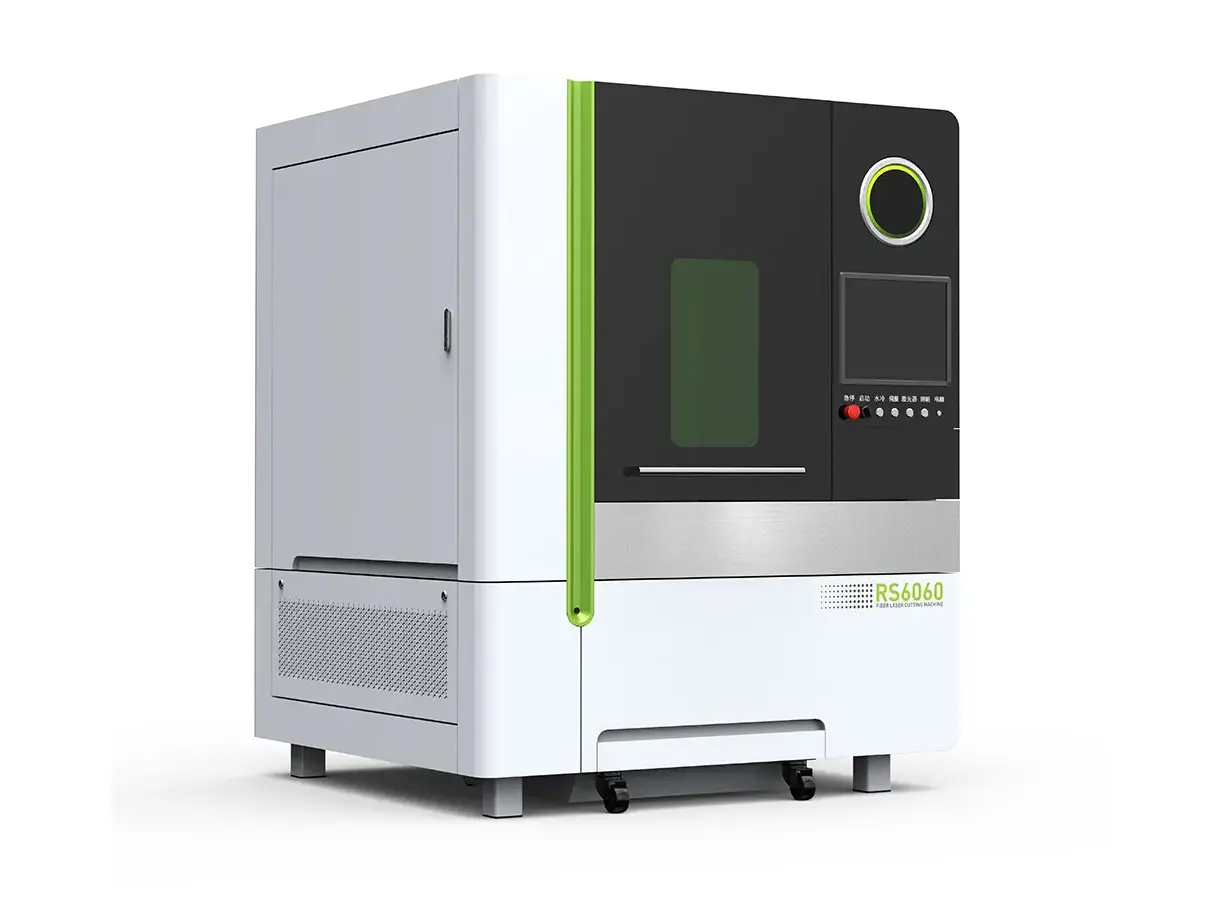 CNC Laser
 Industry Robot
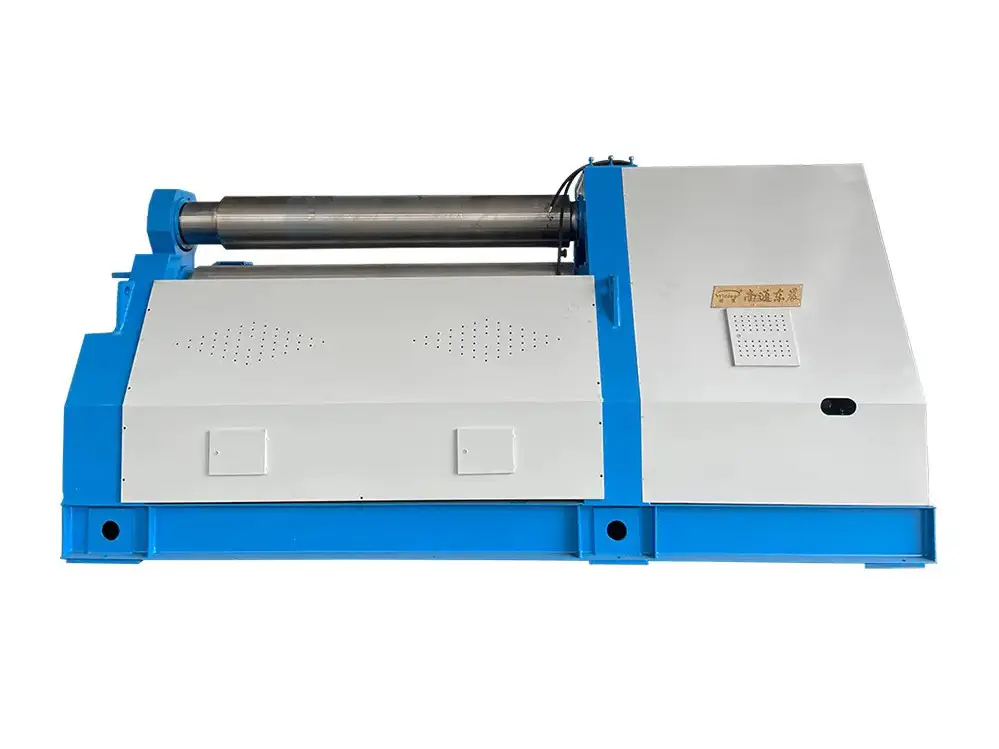 Plate Rolling Machine
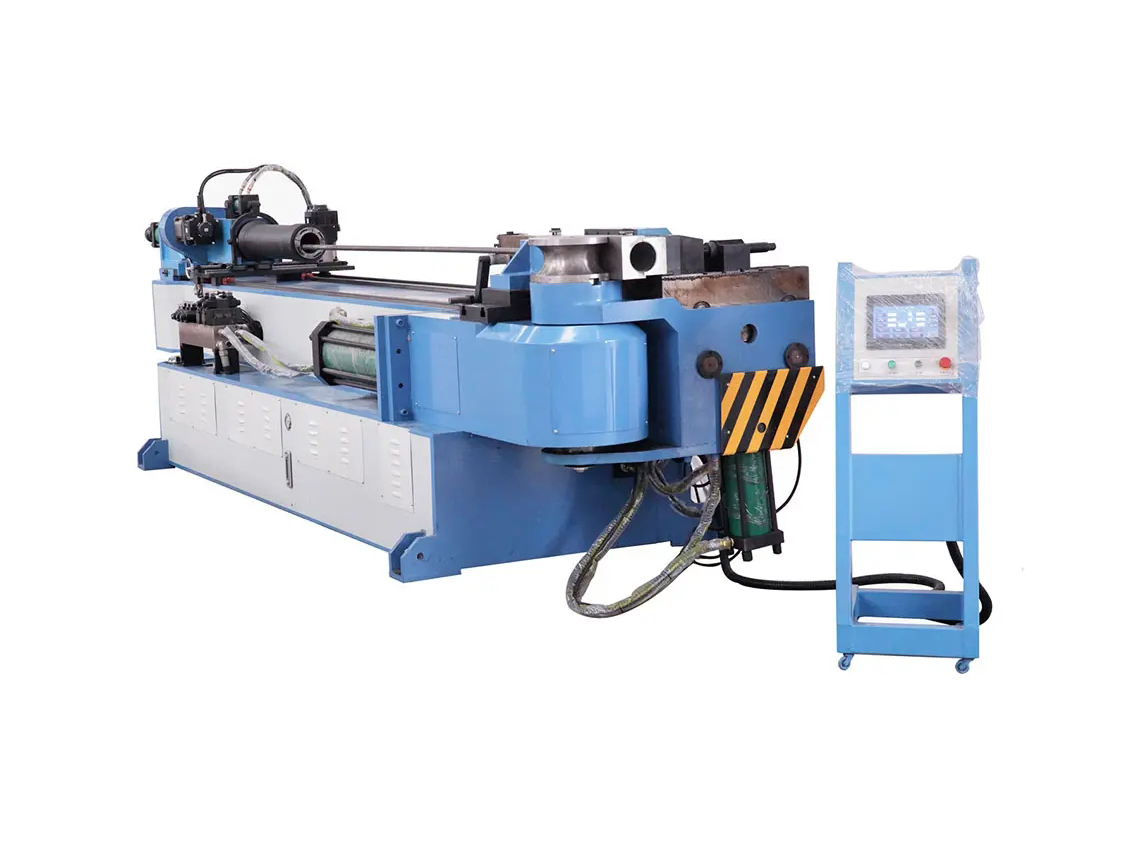 Tube Bending Machine
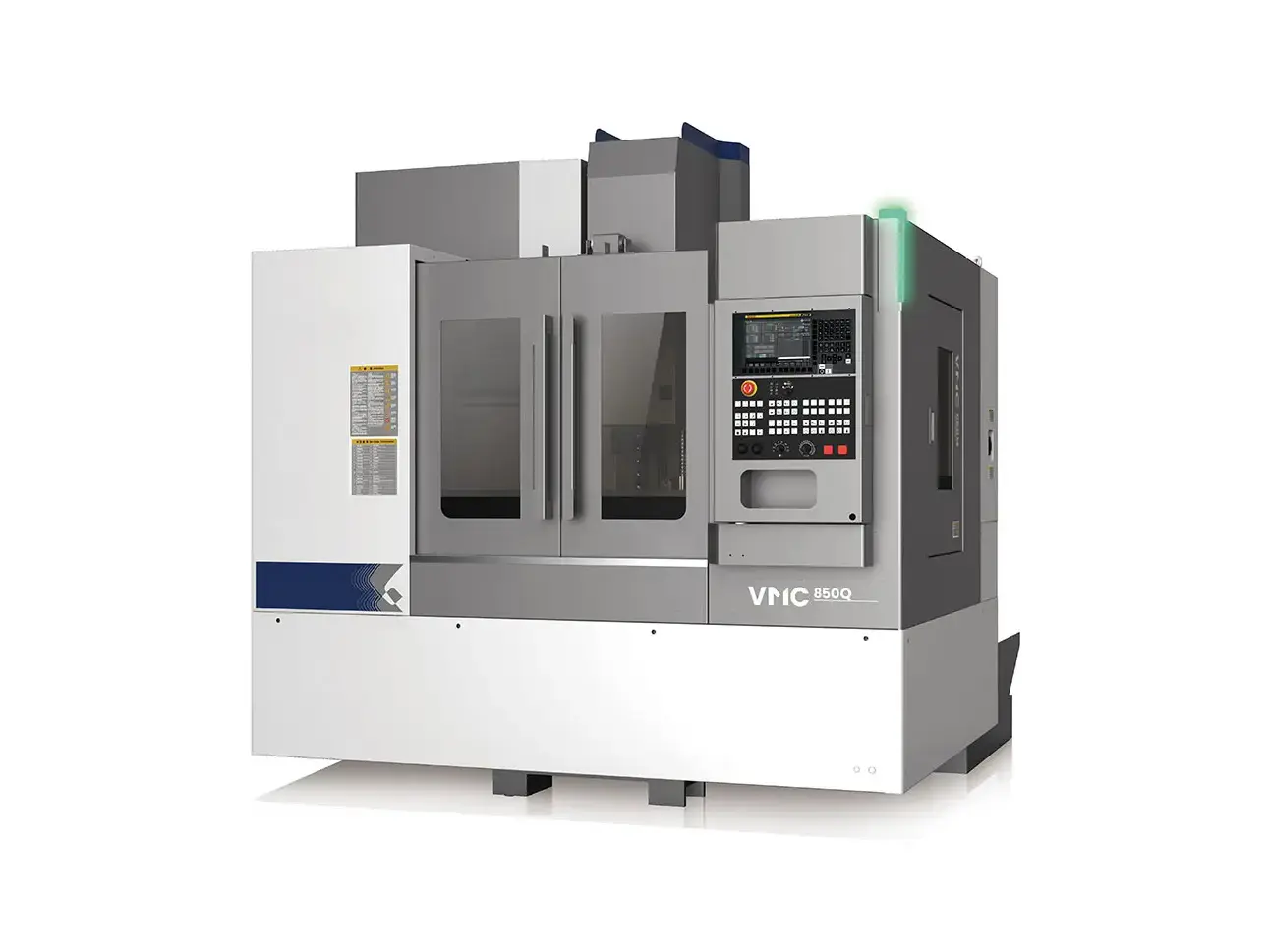 Lathe and Machining Center
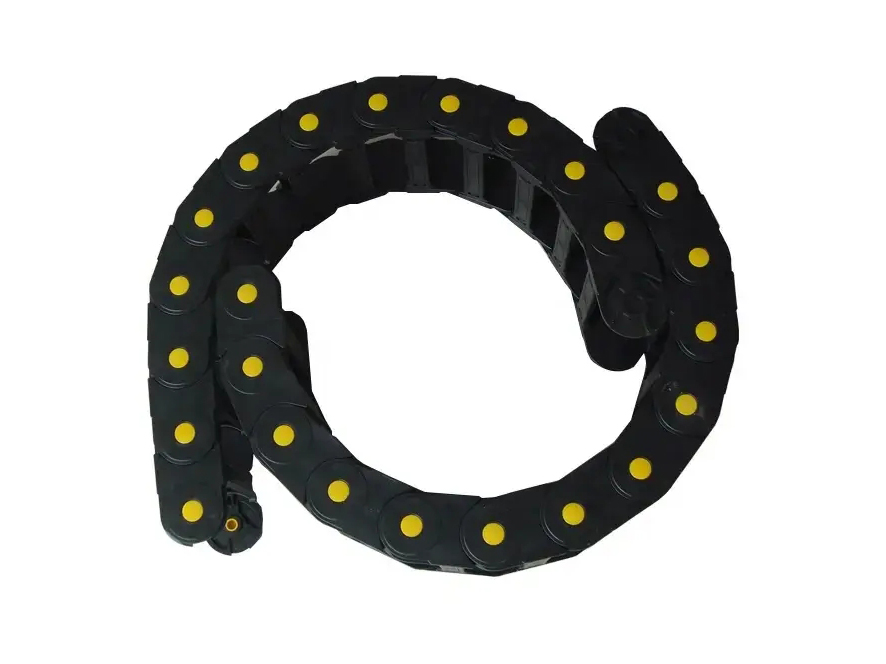 Machine Protection Products