Inquiry
Form loading...

How to Choose the Best Handheld Laser Welding Machine?

When choosing the best Handheld Laser Welding Machine, several factors come into play. Laser welding technology has transformed industries with its precision and efficiency. However, picking the right machine requires careful consideration. Not all machines deliver the same quality or performance, making the selection process daunting.

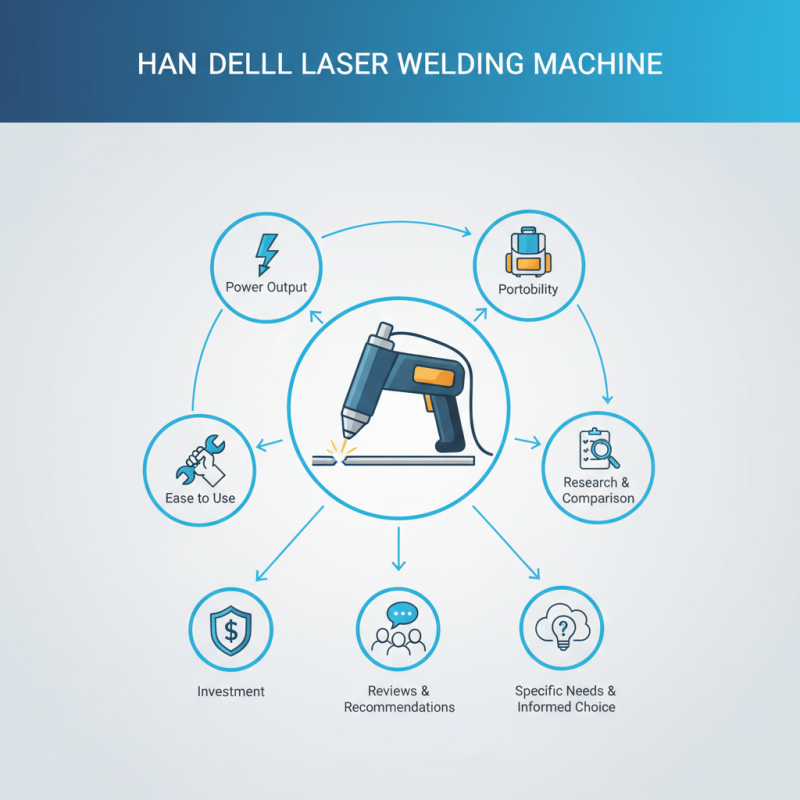
Several key features define a quality Handheld Laser Welding Machine. These include power output, portability, and ease of use. An ideal machine should balance these factors while meeting your specific welding needs. It's crucial to evaluate and compare different models from well-known manufacturers. This ensures you acquire a robust and reliable machine.

Remember that investing in a Handheld Laser Welding Machine is significant. Your decision should be informed by credible reviews and expert recommendations. Understanding the pros and cons of various options can help avoid potential regrets. Take the time to reflect on your unique requirements and make an informed choice.
How to Choose the Best Handheld Laser Welding Machine?

Understanding Handheld Laser Welding Machines: An Overview

Handheld laser welding machines represent a significant advancement in manufacturing. They offer flexibility and precision, making them suitable for various applications. According to a report from Research And Markets, the global handheld laser welding market is projected to grow at a CAGR of 7.4% from 2021 to 2026. This highlights the increasing adoption in several industries, including automotive and electronics.

Understanding the basics of these machines is crucial. They utilize high-intensity laser beams to create strong welds. This process reduces heat input, minimizing distortion and ensuring high-quality results. However, improper usage can lead to issues like weak welds or excessive heat-affected zones. Users must remain vigilant during operation and uphold safety protocols.

Tip: Always focus on the material type. Different materials require specific laser settings. Testing on scrap materials is advisable before proceeding with actual work.

Another consideration is the machine's portability. Lightweight models enhance mobility, allowing for on-site repairs. However, this often comes at the cost of power and efficiency. Some users may find a trade-off between convenience and performance.

Tip: Evaluate your specific needs. Determine when portability is essential and when a more robust solution is required. Understanding these trade-offs aids in making an informed decision.
Key Features to Look for in a Handheld Laser Welding Machine

How to Choose the Best Handheld Laser Welding Machine?

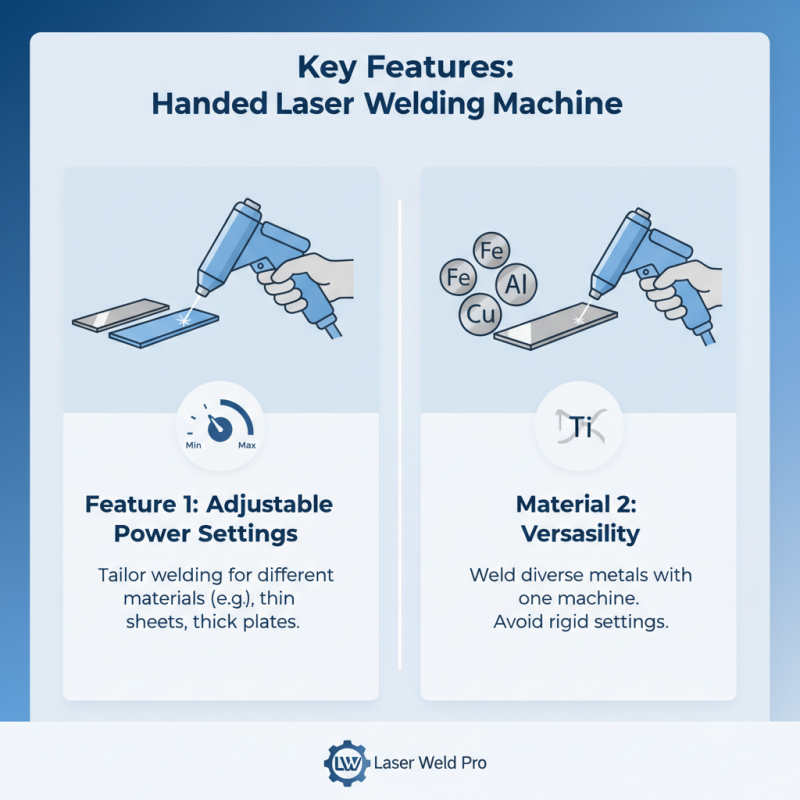
When selecting a handheld laser welding machine, consider key features that enhance usability and performance. Look for a machine with adjustable power settings. This allows you to tailor the welding process for different materials. It can be frustrating if the settings are too rigid for specific applications.

Portability is also crucial. A lightweight design ensures easy maneuverability without sacrificing stability. Ensure the machine has a comfortable grip, as this will significantly affect your control during welding. Pay attention to the battery life as well; a longer runtime can prevent interruptions during complex jobs.

Tip: Always check for safety features like automatic shut-off and protective lenses. This ensures your safety while working. Overall, invest time in researching user reviews to gauge real-world performance. Sometimes, features advertised may not meet practical use expectations. Consider past experiences of other users to guide your decision-making.

Assessing Your Welding Requirements: Material and Thickness Considerations

When selecting a handheld laser welding machine, understanding your welding requirements is crucial. Different materials respond differently to laser welding. For instance, metals like aluminum and stainless steel require specific settings. Each material has unique properties, affecting the welding process. Thickness is another significant factor. Thicker materials may demand higher power and longer welding times, while thinner materials require precision.

Consider the thickness of your materials carefully. A piece that is too thick might lead to burn-through or poor weld quality. Conversely, using insufficient power on thinner materials can result in weak joints. It's essential to experiment with settings to find the right balance. Precision in laser placement and speed is vital. Adjusting your approach based on the material can be a process of trial and error.

Evaluate your workspace and the complexity of your projects. Portability and ease of use can influence your choice. Think about your skills too. A novice might struggle with complicated setups. Reflecting on your welding experience can guide you toward suitable equipment. Choose wisely and always consider future projects that may require different capabilities.

Comparing Brands and Models: Quality and Performance Factors

How to Choose the Best Handheld Laser Welding Machine?

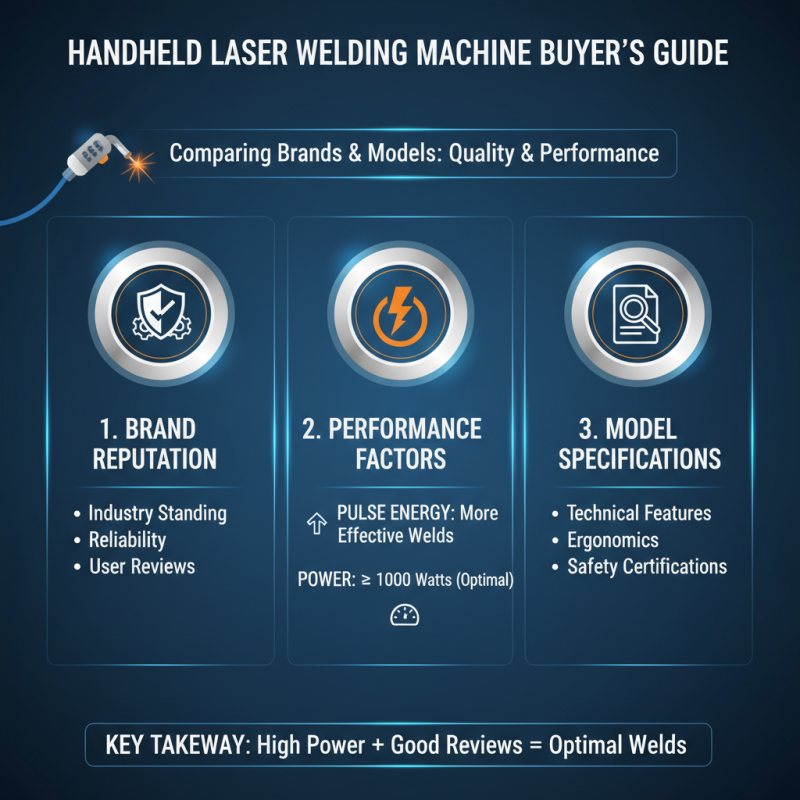
When selecting a handheld laser welding machine, it is crucial to focus on brand reputation and model specifications. Industry reports indicate that machines with higher pulse energy deliver more effective welds. Many professionals recommend looking for models with at least 1000 watts of power for optimal performance. Checking user reviews can also offer insights into the reliability of specific brands.

Quality and performance factors vary widely among models. Certain machines may have ergonomic designs that reduce operator fatigue during extended use. However, not all high-powered machines are user-friendly, which can lead to increased error rates. Some users have reported that models with advanced cooling systems maintain consistent performance, but this feature is often overlooked.

Durability is another key element to consider. Research shows that machines exposed to harsh conditions often fail sooner than those built with robust materials. Users have mentioned that the weight and portability of a machine can impact the quality of the welds. Balancing ease of use with performance capabilities remains a challenge. It’s essential to weigh personal experience against expert recommendations when making a decision.

Budgeting for a Handheld Laser Welding Machine: Cost and Investment Tips

When budgeting for a handheld laser welding machine, it’s vital to understand your needs. Prices can vary greatly depending on features and quality. Typically, you can expect to spend anywhere from a few hundred to several thousand dollars. Research is essential to identify machines that fit your specific applications.

Consider the long-term investment. A more expensive machine might offer improved efficiency and durability. Cheaper models may end up costing more over time due to repairs or replacements. Evaluate the operational costs as well. Look into consumables and maintenance requirements to get a clearer picture.

Tips: Always read reviews and gather user experiences. This can help assess reliability and performance. Budget for contingencies; unexpected issues can arise after purchase. Comparing different models and vendors can also reveal hidden costs or savings. Make informed decisions to ensure your investment in a laser welding machine pays off.