Top Tips for Choosing the Right Tube Bending Machine?
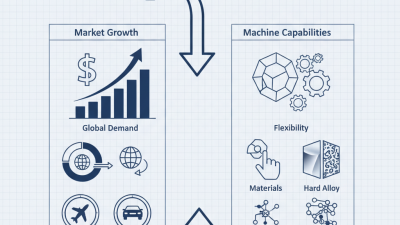
Choosing the right Tube Bending Machine is crucial for manufacturing efficiency. In 2022, the global market for tube bending machines reached $1.2 billion, demonstrating significant growth. Industry expert Robert Thompson states, "Investing in the right tube bending machine can drastically improve production and reduce waste.” This emphasizes the importance of making informed decisions in this sector.
Tube bending machines are essential in various industries, including automotive and aerospace. Selecting the appropriate machine can lead to better product quality and increased profitability. However, many manufacturers face challenges, such as choosing between hydraulic and electric models. Not all machines are created equal, and overlooking key features could hinder operational success.
It is important to consider future production needs and the versatility of the Tube Bending Machine. A machine that meets current requirements may not accommodate future growth or evolving technologies. Reflecting on these aspects can guide manufacturers in making optimal choices that support long-term objectives, ensuring they stay competitive in a rapidly changing market.
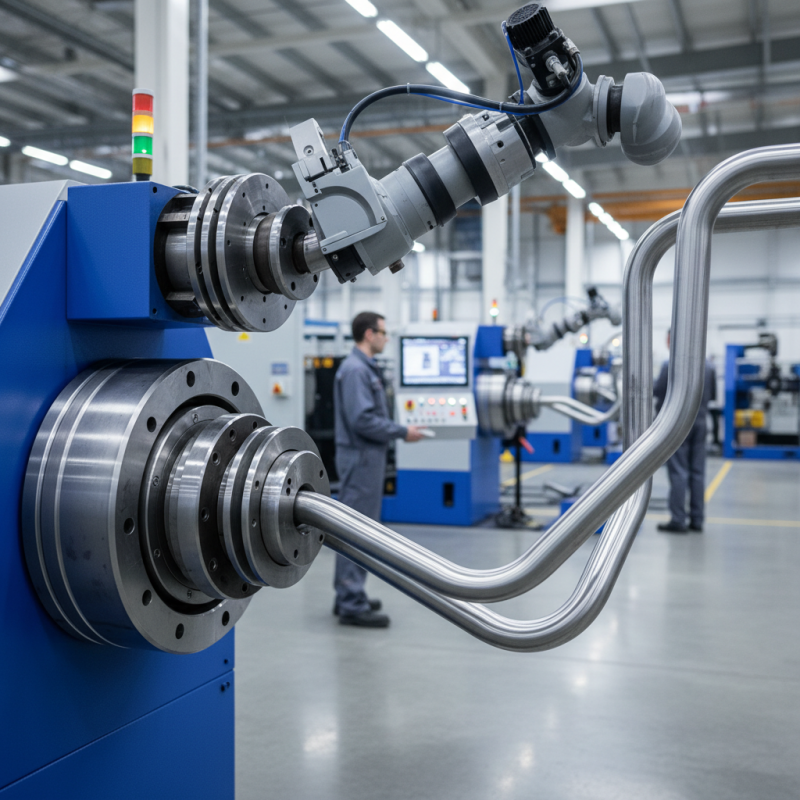
Key Considerations for Identifying Tube Bending Machine Specifications
When selecting a tube bending machine, understanding its specifications is crucial. The right machine can enhance productivity and reduce waste. According to a recent market analysis by Smithers Pira, the global tube bending market is expected to reach USD 5 billion by 2025. This growth highlights the necessity for manufacturers to choose machines wisely, focusing on specific needs.
Key considerations include bending capacity, versatility, and tooling options. The bending capacity must align with your material requirements. Each type of tube, whether stainless steel or aluminum, has different tolerances and curves. Using the wrong machine can lead to costly errors. Tooling options also matter, as interchangeable tools increase flexibility in production runs.
Another aspect is machine automation. Automated machines often provide greater precision and lower labor costs. However, initial investments can be steep. Many businesses face dilemmas over cost versus capability. Balancing budget constraints with technology needs is not straightforward. Overlooking these factors can lead to underperformance in production.
Understanding Different Tube Bending Methods: Mandrel vs. Non-Mandrel
When selecting a tube bending machine, understanding the methods available is crucial. Two primary tube bending approaches are mandrel and non-mandrel bending. The choice between these methods significantly impacts the quality of the final product.
Mandrel bending, known for producing tight bends without deforming the tube, is ideal for complex shapes. Research from the Fabricators and Manufacturers Association indicates that with mandrel bending, manufacturers achieve an accuracy rate of 98%. This technique minimizes wrinkling and maintains the integrity of high-strength materials. However, it requires more setup time and cost, leading to challenges for smaller operations.
Non-mandrel bending offers a faster and cost-effective option. This method is commonly used for larger-radius bends. Yet, it often compromises tube integrity, causing distortion. Reports suggest that over 20% of produced tubes experience some form of deformation with this method. Choosing non-mandrel bending may lead to lower production costs, but the long-term impact on quality can be detrimental. Process evaluation here is vital for informed decision-making.
Evaluating the Importance of Machine Capacity and Power Requirements
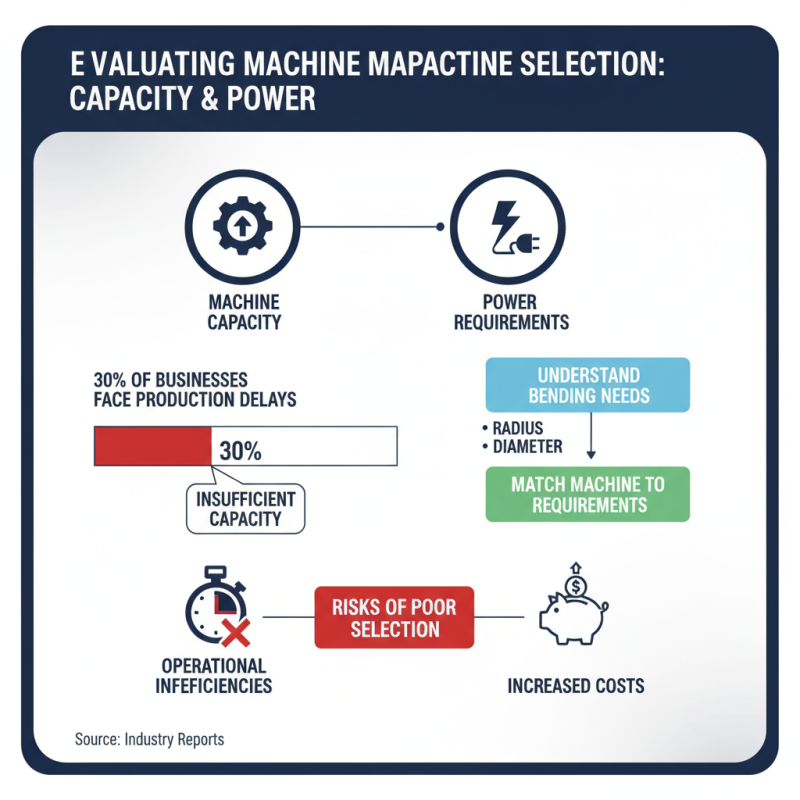
When selecting a tube bending machine, machine capacity and power requirements stand out as critical factors. Industry reports suggest that about 30% of businesses face production delays due to inadequate machine capacity. Thus, understanding the required bending radius and diameter is crucial. A machine with insufficient capacity can lead to operational inefficiencies and increased costs.
Power requirements also play a significant role. A well-calibrated machine optimizes energy consumption, impacting both performance and cost. According to a recent survey, approximately 40% of manufacturers reported elevated energy bills linked to underpowered machines. This highlights the need for assessing the power requirements based on the material type and thickness.
Choosing the right specifications may seem straightforward, yet many overlook the long-term implications. Some companies buy machines that are too powerful for their needs, leading to wasted energy and unnecessary operating costs. Others underestimate capacity and struggle with demand. Making informed decisions ensures efficiency and sustainability in the production process.
Assessing Material Compatibility: Aluminum, Steel, and Other Metals
Choosing the right tube bending machine begins with understanding the types of materials involved.
Aluminum, steel, and other metals each have unique properties that influence how they can be bent.
For instance, aluminum is lightweight and easy to manipulate but can be prone to cracking if not handled properly. When selecting a machine, consider whether it can handle the specific type and thickness of aluminum you plan to work with.
Steel, on the other hand, is significantly more rigid than aluminum. It requires higher pressures and precise tooling to achieve accurate bends. This might mean investing in a more powerful machine. The compatibility of your chosen machine with different steel grades is also crucial. Some machines may perform well with mild steel but struggle with high-strength steel.
Other materials, like brass or copper, introduce additional challenges due to their unique ductility and strength. Understanding these nuances will help guide your decision-making process. The right machine should not only accommodate these variations but also provide consistent results across different metals.
Consider testing the machine with sample pieces before finalizing your choice to ensure it meets your distinct needs.

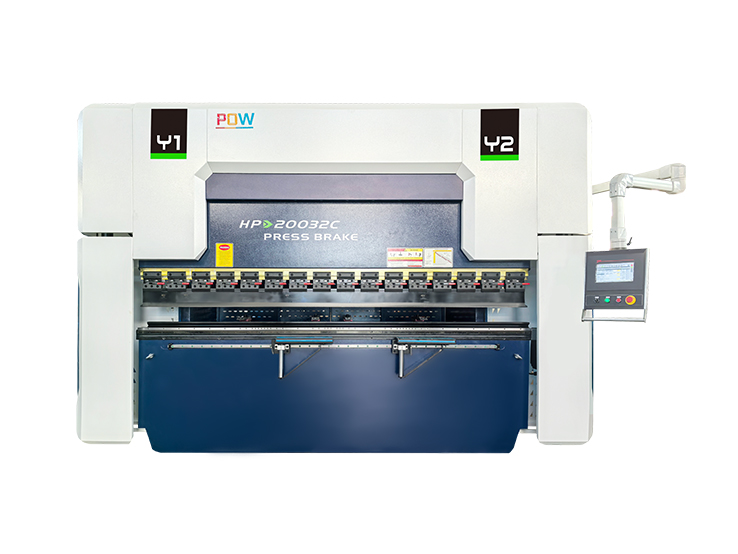 Press Brake
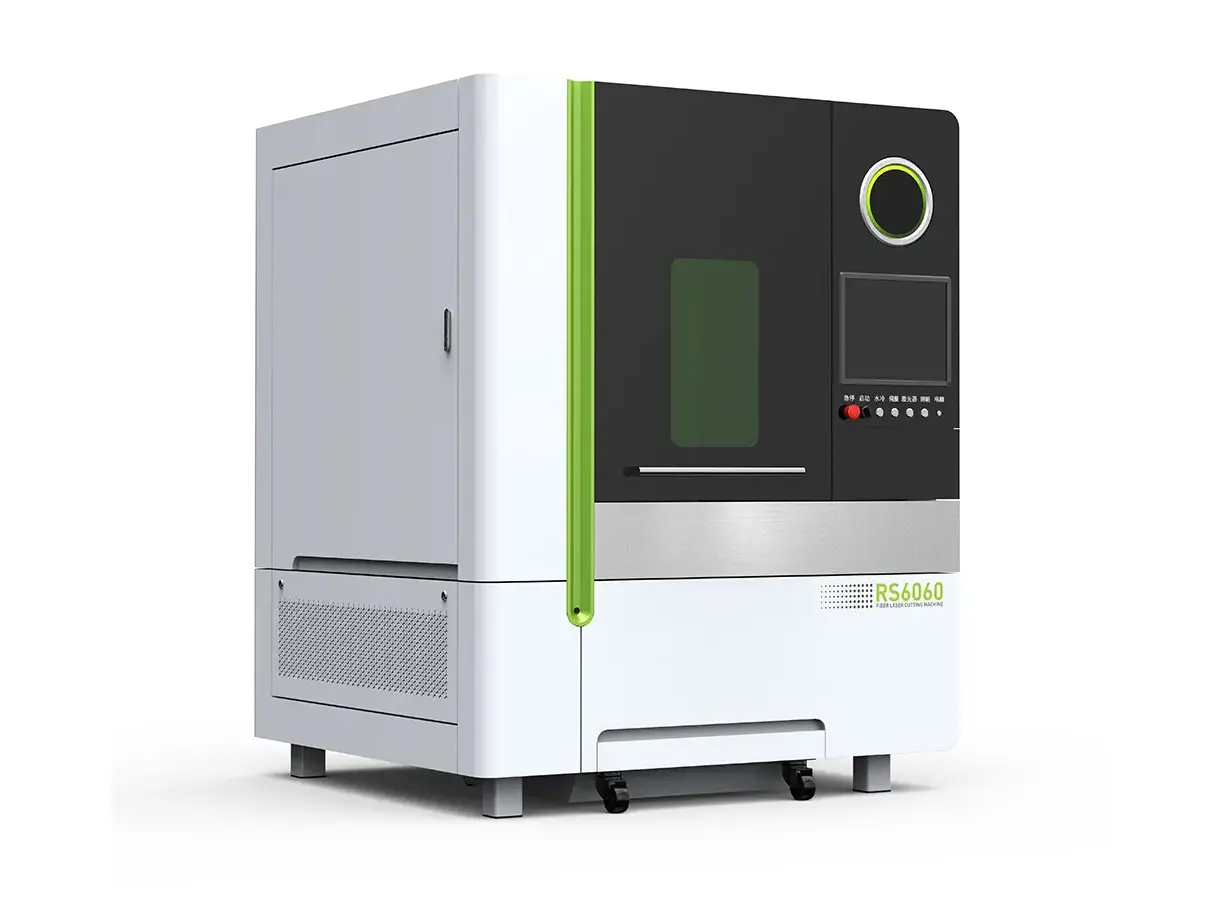 CNC Laser
 Industry Robot
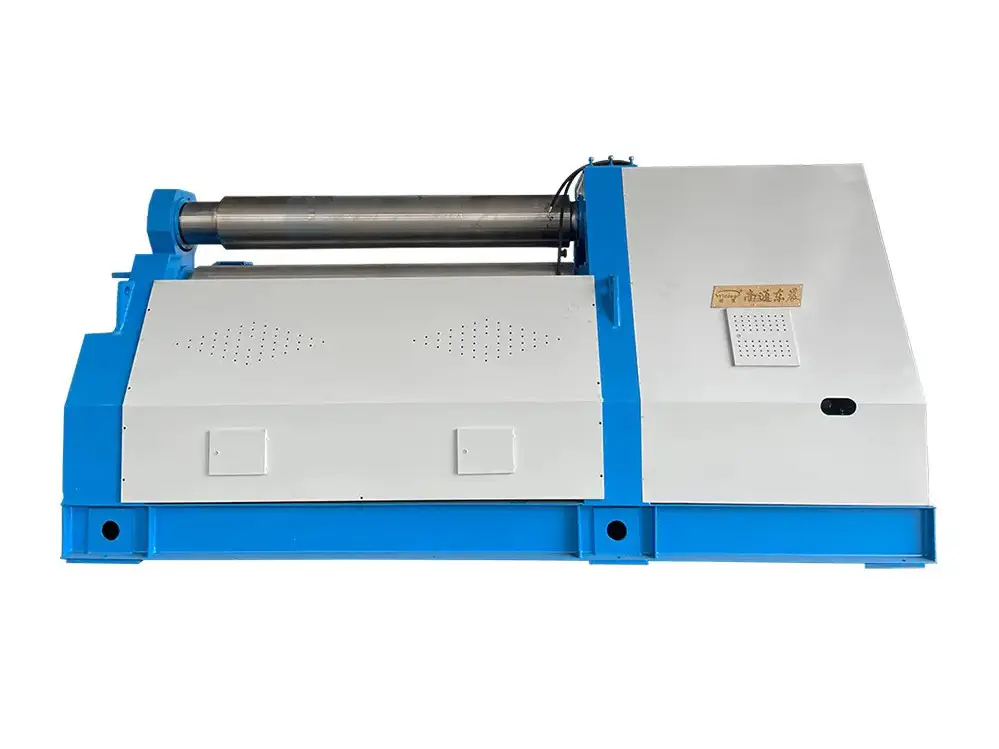 Plate Rolling Machine
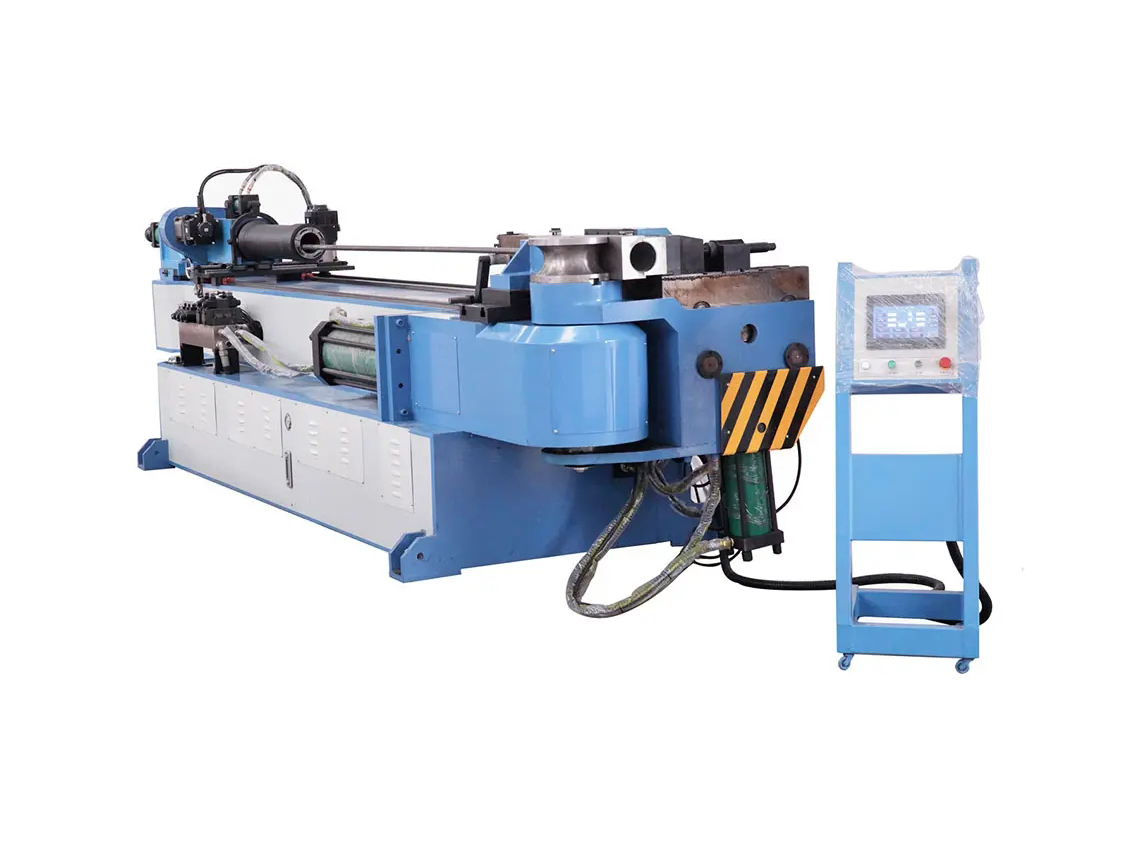 Tube Bending Machine
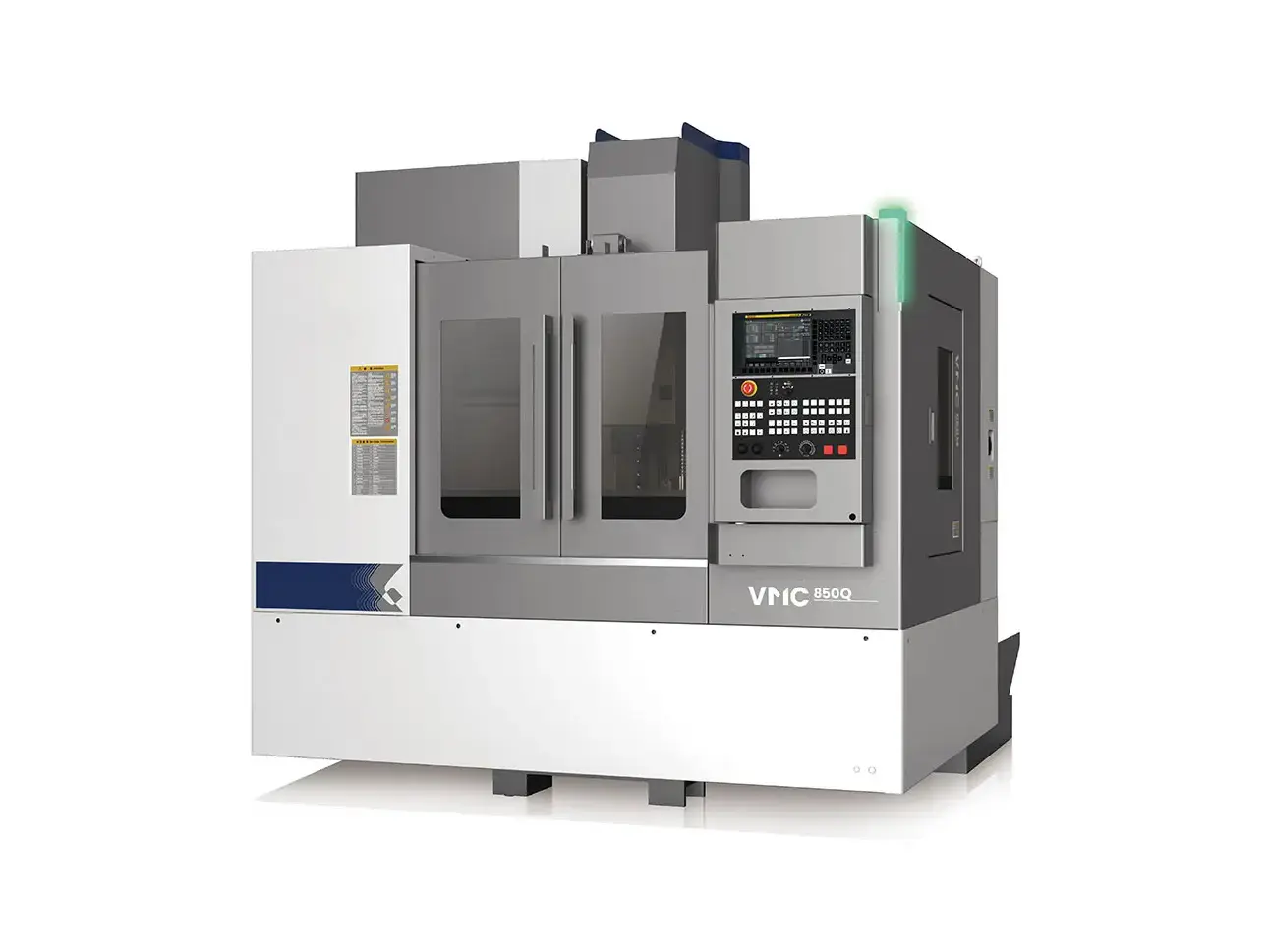 Lathe and Machining Center
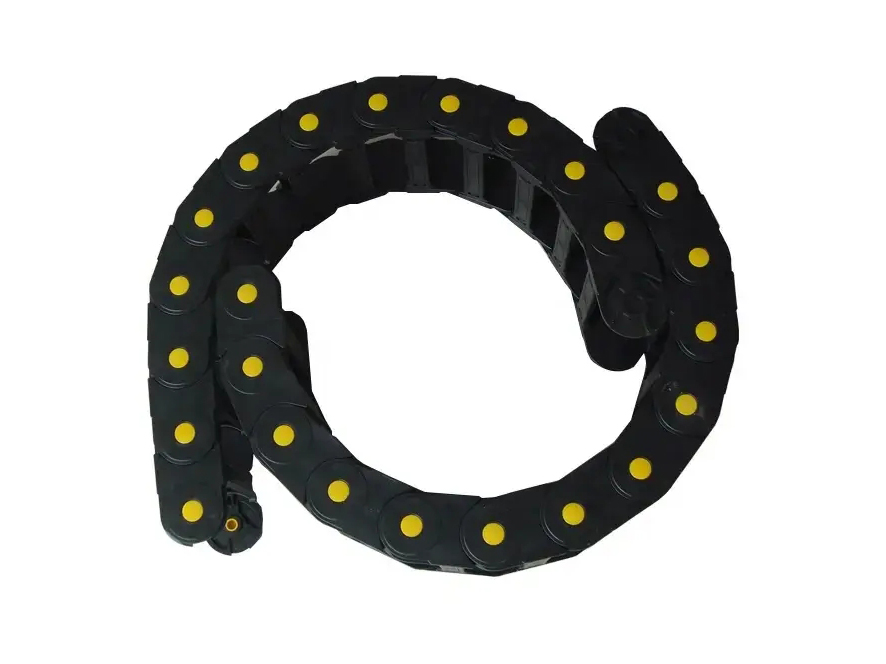 Machine Protection Products