Why Choose a Fiber Laser Welding Machine for Your Industrial Needs?
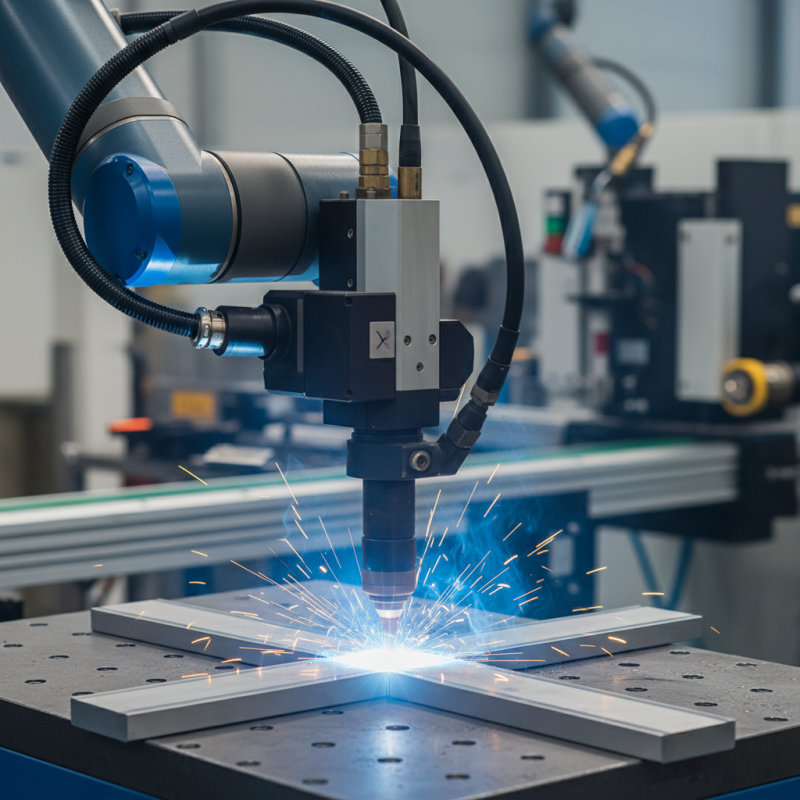
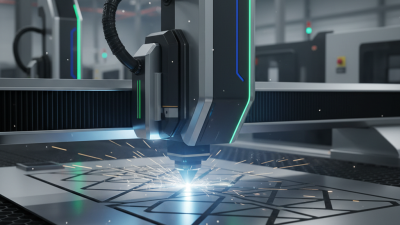
In today's industrial landscape, efficiency and precision are crucial. A Fiber Laser Welding Machine stands out as a transformative tool. Its ability to produce clean and accurate welds has garnered attention across various sectors.
This technology utilizes concentrated light to melt materials. The process is faster than traditional welding methods. It minimizes heat distortion and boosts productivity. Industries such as automotive and aerospace benefit immensely from this precision. However, adopting new technology can be daunting. Companies must weigh the initial investment against potential gains.
Transitioning to a Fiber Laser Welding Machine requires careful evaluation. Training on the equipment is essential. Employees must understand the nuances of laser technology. Embracing this change can lead to significant improvements in production. Ultimately, the choice is about efficiency and future readiness.
Advantages of Fiber Laser Welders Over Traditional Welding Methods
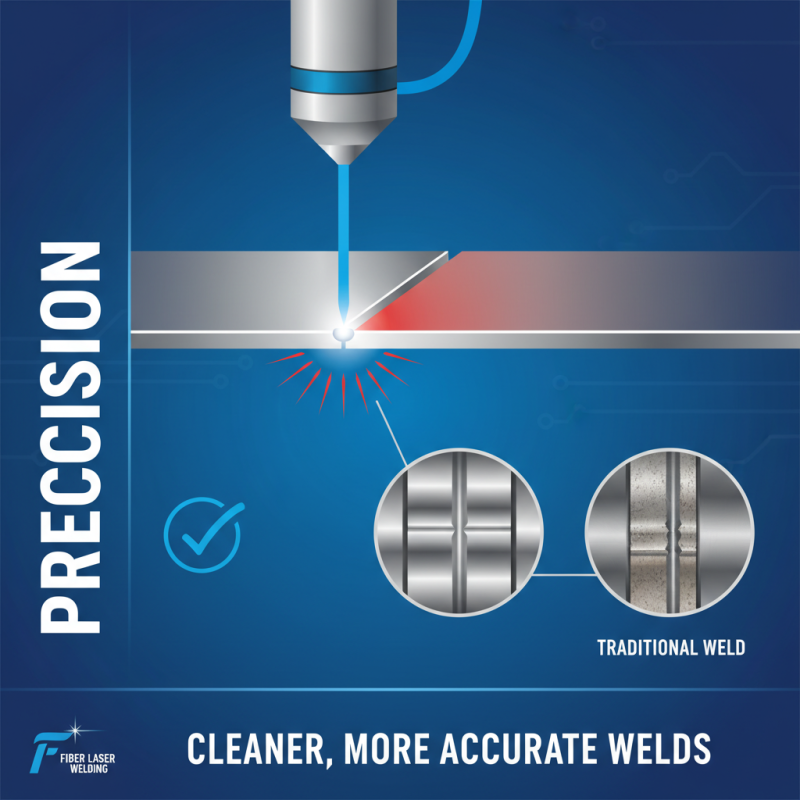
Fiber laser welding machines offer remarkable advantages for various industrial applications. One key benefit is precision. These machines focus laser energy tightly on small spots. This minimizes heat-affected zones, reducing warping or distortion of metals. As a result, the welds are cleaner and more accurate when compared to traditional methods. This precision can significantly enhance product quality.
Moreover, fiber laser welders improve efficiency. They can operate at higher speeds, allowing for quicker production cycles. This speed does not compromise weld quality, yet it can lead to greater output. Traditional welding often involves lengthy setups and cooling times. In contrast, fiber lasers generally require less maintenance and have lower operational costs.
However, there are challenges. Not every material is suited for laser welding. Some thicker materials might not achieve optimal results. Additionally, the initial investment can be high, limiting access. Companies must weigh these factors carefully. Despite these concerns, the long-term benefits often outweigh the drawbacks for many industries. Fiber laser technology continues to evolve, making it a compelling option for future welding needs.
Key Applications of Fiber Laser Welding Machines in Industries
Fiber laser welding machines are transforming various industries with their precision and efficiency. In automotive manufacturing, these machines create robust joints in lightweight materials. They enable the construction of complex components with minimal distortion. This accuracy helps manufacturers meet strict safety standards. However, some operators struggle with setup and calibration.
In the electronics sector, fiber laser welding excels at assembling delicate parts. It minimizes heat-affected zones, protecting sensitive components. This method promotes reliability in devices like smartphones and laptops. Still, there are challenges in training staff to handle new technology. Experience is essential for optimal results.
Additionally, in the aerospace industry, fiber lasers improve production rates. They are used to weld components like fuel tanks and airframes, ensuring long-lasting durability. Yet, the initial investment can be daunting for small manufacturers. Each industry sees significant benefits, but there are hurdles that require thoughtful consideration.
Key Applications of Fiber Laser Welding Machines in Industries
Cost-Efficiency and Energy Savings of Fiber Laser Technology
Fiber laser welding machines have gained popularity for their cost-efficiency. They require less maintenance compared to traditional welding systems. This results in lower operational costs over time. The initial investment can be higher, but the savings in energy and upkeep are significant. Businesses often see a return on investment faster than expected.
Consider energy consumption. Fiber lasers use a fraction of the electricity required by older welding technologies. This not only cuts costs but also reduces environmental impact. Companies aiming for sustainability often find fiber lasers align with their values. However, it is essential to assess your specific needs. Not every operation may benefit equally from this technology.
Moreover, worker training can be a challenge. Although fiber laser systems are user-friendly, mistakes can lead to wasted materials. This need for skilled operators creates an additional layer of complexity. Businesses must weigh these factors carefully. The potential for increased efficiency must be balanced with the realities of training and implementation.
Why Choose a Fiber Laser Welding Machine for Your Industrial Needs? - Cost-Efficiency and Energy Savings of Fiber Laser Technology
| Feature |
Description |
Cost-Efficiency |
Energy Savings |
| Initial Investment |
Higher upfront cost compared to traditional methods. |
Potentially lower due to higher production rates. |
Lower operating costs in the long term. |
| Maintenance |
Minimal maintenance needed for fiber lasers. |
Reduces downtime, improving productivity. |
Less energy consumed during maintenance operations. |
| Operational Efficiency |
Fast welding speeds and precision. |
Higher output per hour compared to traditional methods. |
More efficient use of electricity during operation. |
| Material Versatility |
Can weld a variety of metals such as stainless steel and aluminum. |
Adaptable to different projects without changing equipment. |
Optimizes energy use across different materials. |
| End Product Quality |
High-quality welds with minimal thermal distortion. |
Less material waste, ensuring cost-effectiveness. |
Lower scrap rates lead to reduced energy expenditure in material processing. |
Precision and Quality: How Fiber Lasers Ensure Superior Welds
Fiber laser welding machines have revolutionized the welding industry. Their ability to deliver precision and quality in welds is remarkable. When working with metals, every detail counts. Fiber lasers focus a high-intensity beam on a small area. This results in a clean, deep weld with minimal heat-affected zones. The energy efficiency is also noteworthy. Less energy leads to lower operational costs in the long run.
The adaptability of fiber lasers is another key advantage. They can be used on various materials, including stainless steel and aluminum. This versatility makes them suitable for numerous applications. However, not all welding projects will benefit equally. Some may require a different approach or technology. It's essential to assess each job’s requirements carefully. Reflecting on these needs can lead to better outcomes.
Though fiber lasers provide superior welds, challenges exist. Training is crucial for operators to achieve the desired results. Ensuring the right settings for different materials can be complex. Even minor adjustments can impact the quality of the weld. It’s important to learn from each project. This mindset can drive continuous improvement in the use of fiber laser welding technology.
Future Trends in Fiber Laser Welding Technology for Industrial Use
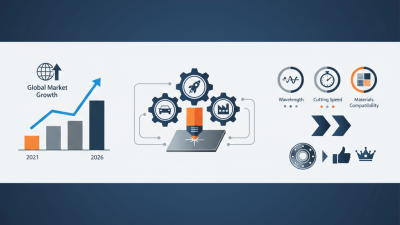
The future of fiber laser welding technology is bright, poised for innovation and enhanced efficiency in various industries. According to a recent report by MarketsandMarkets, the fiber laser market is expected to grow from $3.81 billion in 2021 to $7.47 billion by 2026. This growth reflects the increasing demand for high-speed, precise welding solutions. Industries like automotive, aerospace, and electronics are adopting these technologies for their ability to combine strength and fine details.
Recent advancements show that fiber laser welding machines provide cleaner, stronger welds with less thermal distortion. They operate efficiently, often with less energy than traditional methods. Despite this, some operators face challenges in adapting to these new technologies. Training and experience are critical to fully leverage the advantages of fiber lasers. Missteps can lead to costly errors, emphasizing the need for ongoing education in this evolving field.
Moreover, as automation integrates more with fiber laser systems, companies are exploring smart manufacturing. Studies indicate that as operational efficiencies and quality improve, production costs may see a reduction of 20% or more. However, the initial investment in these systems can be significant, which might deter some organizations. Balancing short-term costs with long-term gains presents a challenge, pushing industries to reassess their strategies.

 Press Brake
 CNC Laser
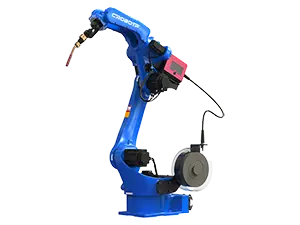 Industry Robot
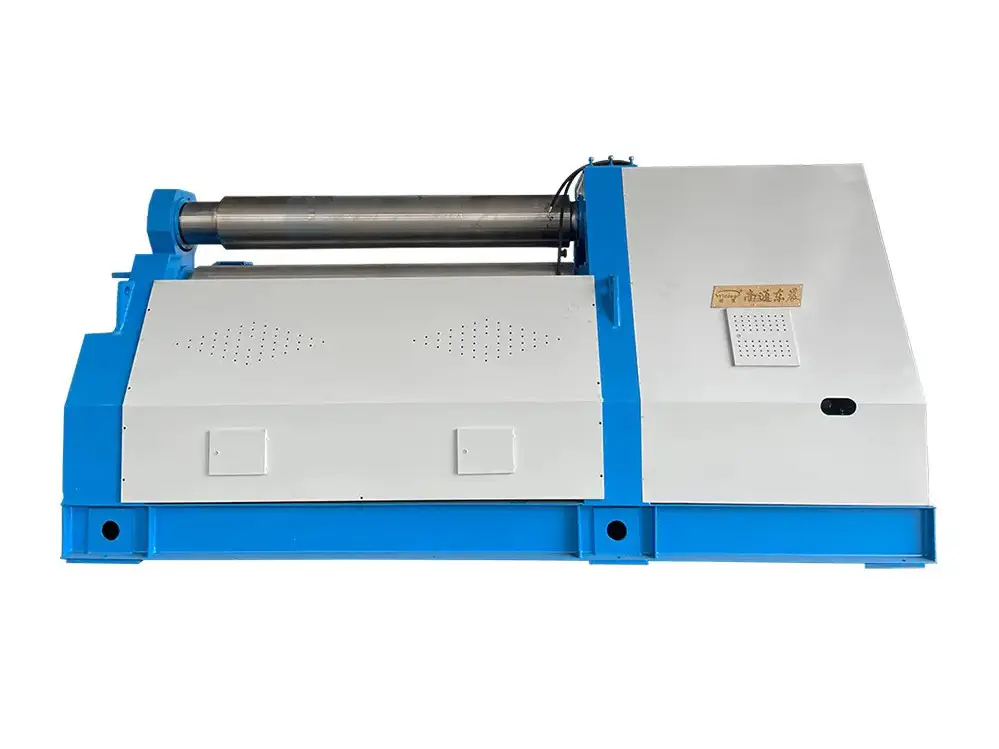 Plate Rolling Machine
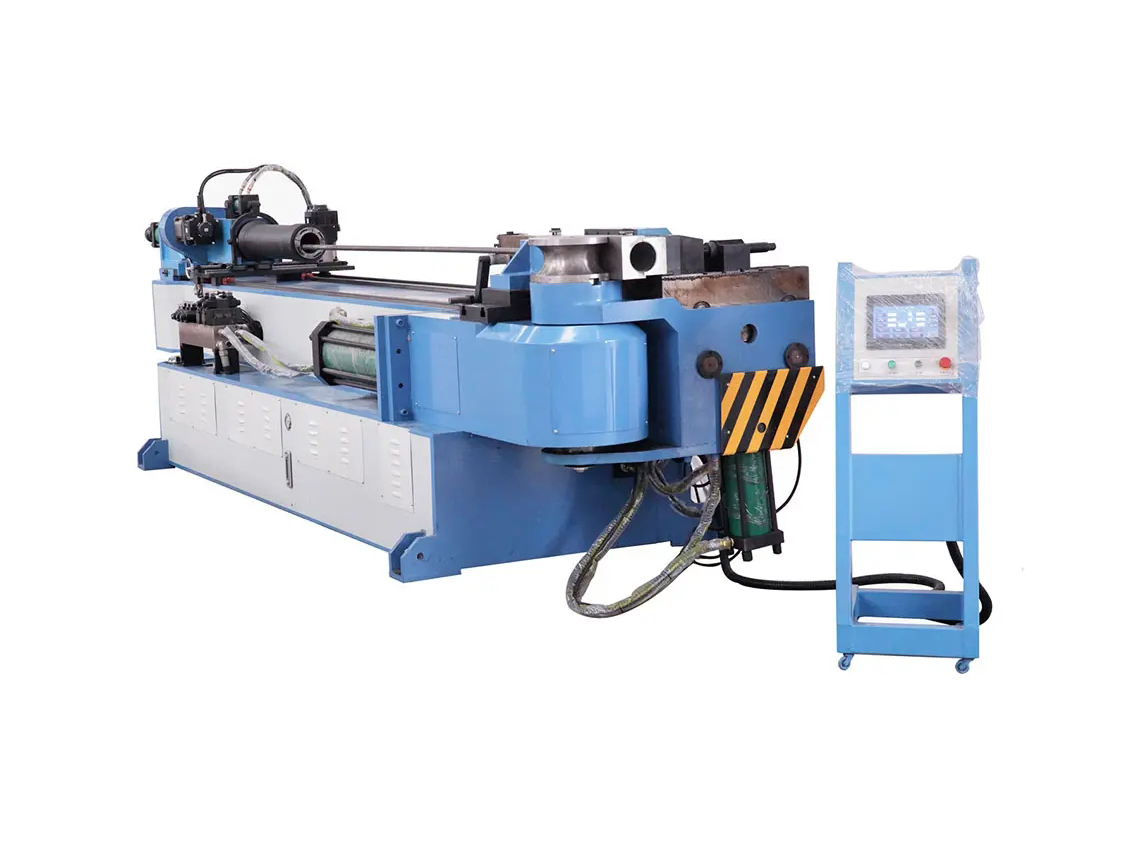 Tube Bending Machine
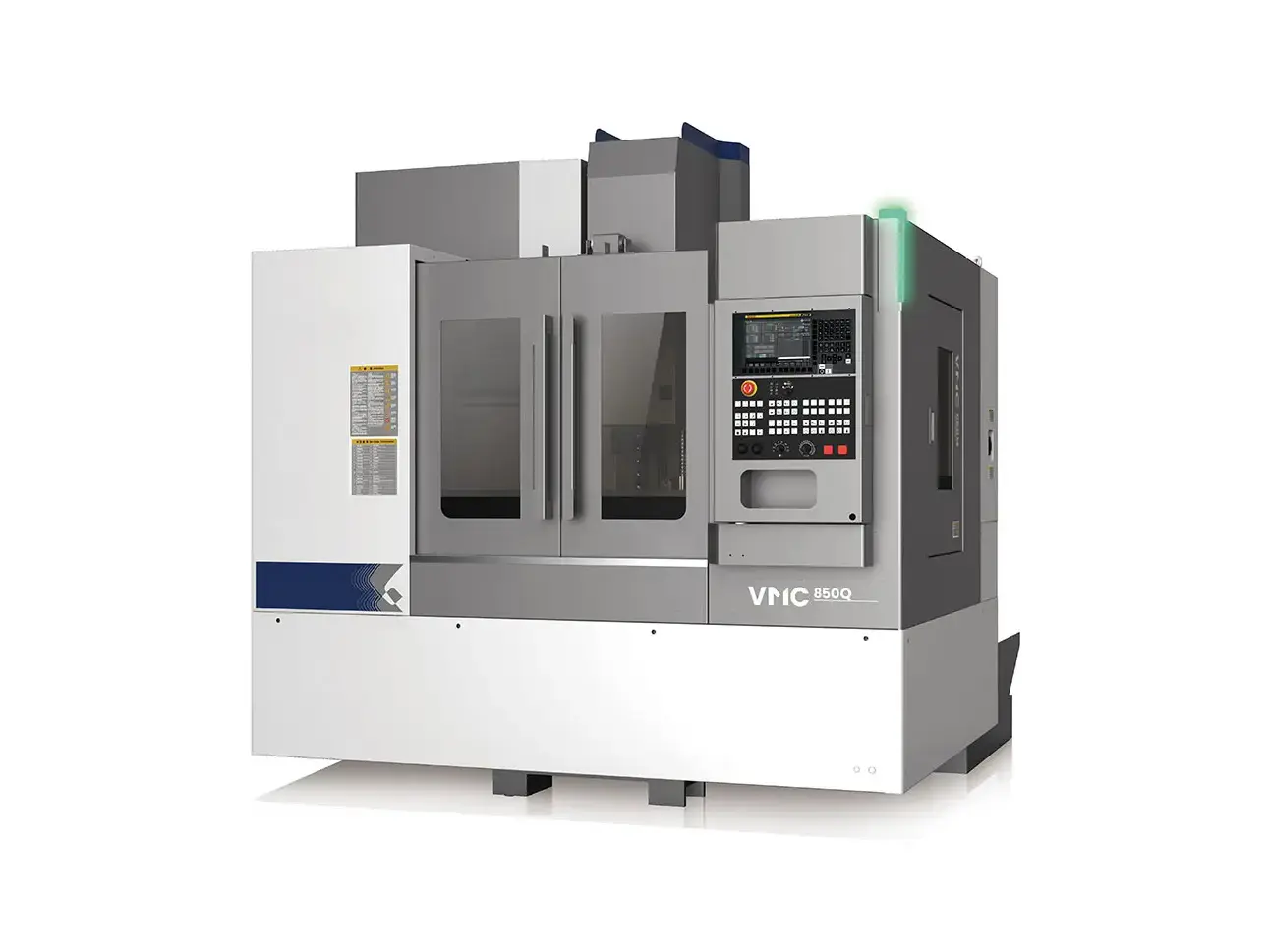 Lathe and Machining Center
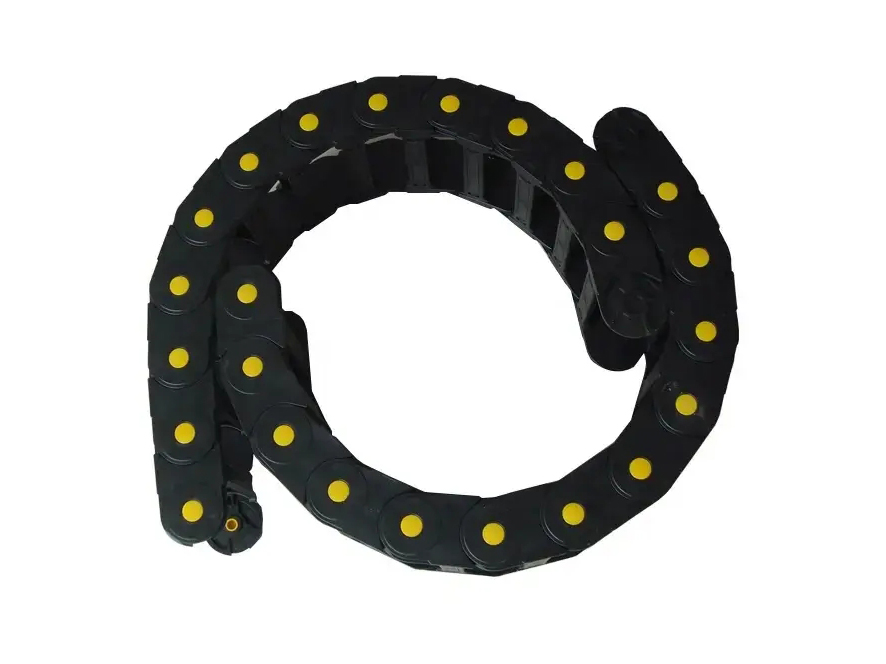 Machine Protection Products