How to Choose the Right Tube Bending Machine for Your Needs?
Choosing the right Tube Bending Machine can significantly impact your production efficiency. As an industry expert, John Smith emphasizes, “The right machine can make or break your project.” With various types of machines available, it can be daunting to make the perfect choice.
When selecting a Tube Bending Machine, consider your specific requirements. Factors like the material type and the desired bending angle are crucial. Ensure the machine you choose matches your needs. Sometimes, the most expensive option isn’t the best fit. You might save money upfront but struggle with performance later.
Pay attention to technical specifications and user reviews. These insights can reveal machine reliability. Remember, a suitable Tube Bending Machine will enhance productivity. Yet, many buyers overlook essential details. Reflect on your needs before making a commitment. Your choice can lead to long-term satisfaction or regret.
Types of Tube Bending Machines and Their Applications
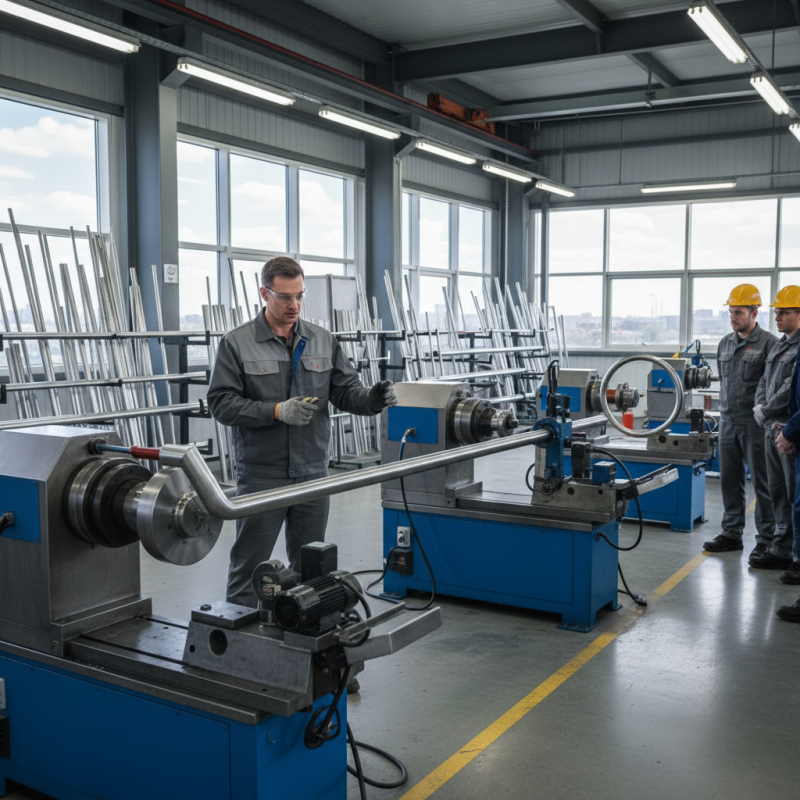
When selecting a tube bending machine, understanding the types available is crucial. There are several types, each suited for specific applications. One common type is the mandrel bender. This machine allows for complex bends while maintaining the integrity of the tube. It’s ideal for automotive applications and intricate architectural designs.
Another option is the roll bender. This machine uses rollers instead of dies, allowing for larger radius bends. It is often used in manufacturing furniture or constructing awnings. The flexibility of roll bending can be beneficial. However, it may not achieve the precision that some projects require. Lastly, the rotary draw bender is popular for tight bends. This type is great for prototyping but may struggle with thicker materials.
Choosing the right machine requires careful consideration. Think about the material you plan to use. Also, reflect on the bend angles and radii necessary for your projects. Not every machine will be a perfect fit. Doing research on your specific needs will help prevent costly mistakes and enhance productivity.
Tube Bending Machine Types and Applications
Key Factors to Consider When Selecting a Tube Bending Machine
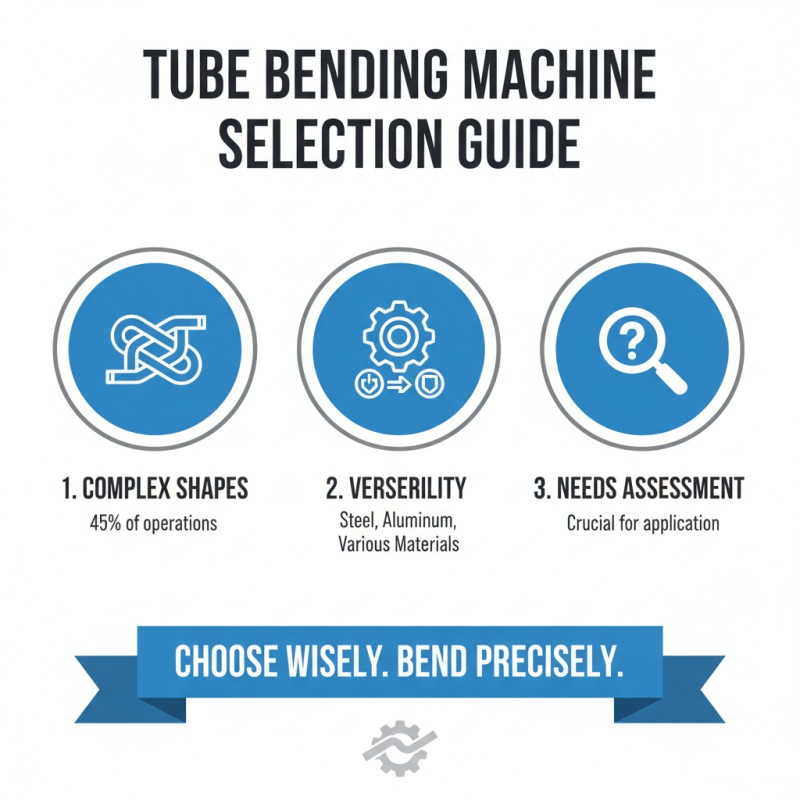
When selecting a tube bending machine, several key factors come into play. Understanding your specific needs is crucial. According to industry reports, around 45% of tube bending operations involve complex shapes. Choose a machine that excels at forming intricate bends. A suitable machine should be versatile, able to handle various materials, including stainless steel and aluminum, which makes it ideal for diverse applications.
Another important consideration is the machine's capacity. Many manufacturers report that a machine should accommodate tube diameters up to 2 inches for most small-scale projects. Yet, for larger industrial tasks, you might need a machine capable of bending tubes larger than 6 inches. This flexibility can prove vital, as not all projects will fit into standard dimensions.
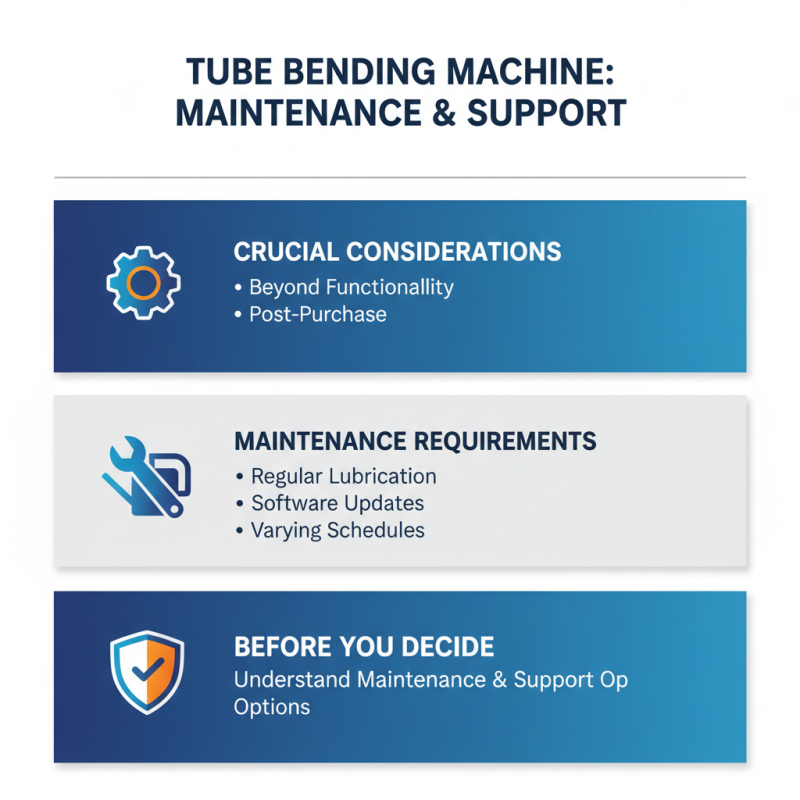
Finally, think about the machine's ease of use and maintenance. Many operators find complex controls challenging. A machine with simple interfaces can reduce training time by up to 30%, according to user feedback. Investing in a machine that allows for quick adjustments will save time in the long run. However, consider that no machine will be perfect. Continuous learning and adaptation are essential to optimize performance in your specific working environment.
Evaluating the Machine Specifications for Your Projects
When evaluating tube bending machines, specifications are critical. The right machine enhances productivity, accuracy, and efficiency in projects. A report by the National Association of Manufacturers suggests that improving equipment performance can increase production efficiency by 25%. This is significant for businesses aiming to streamline operations.
Consider the bending angle and radius. Tight bends may require specific machines. A study found that machines capable of performing 180-degree bends reduce production time by 30%. Also, check the hydraulic system or electric drive options. Each system has its advantages, influencing speed and maintenance needs. For instance, hydraulic systems often provide greater force but may have higher upkeep.
Maximize your investment by assessing material compatibility. Different machines handle metals, plastics, or composites differently. Some may handle small diameters better while others excel with larger sizes. In a recent market analysis, around 40% of companies faced issues with machine compatibility, leading to project delays. It underscores the importance of aligning machine capabilities with project requirements. Regular reviews and adaptations of machine specs can prevent waste and inefficiencies.
Understanding Your Budget and Cost Considerations
When it comes to selecting a tube bending machine, understanding your budget is crucial. Reports indicate that the cost of these machines can vary widely, averaging between $10,000 to $100,000 depending on specifications. Your financial approach can steer the overall decision. Setting a realistic budget is important. Do you prioritize advanced features or basic functionality?
Consider long-term costs. Maintenance, training, and operation add up. For example, energy-efficient models, while often pricier upfront, may save 20% in energy costs annually. In this way, a higher initial investment could be beneficial in the long run. However, many may overlook these factors, focusing solely on the purchase price.
Not all machines fit every job. You might buy a cheaper model, but it may lead to inefficiencies. Performance can degrade, leading to higher costs on rework. Data shows that firms often underestimate training expenses. Investing in proper training can prevent costly mistakes and reduce machine downtime, significantly impacting productivity. Keeping these elements in mind will help ensure your investment is wise and tailored to your specific needs.
How to Choose the Right Tube Bending Machine for Your Needs? - Understanding Your Budget and Cost Considerations
| Machine Type |
Price Range |
Bending Capacity (mm) |
Material Types |
Features |
| Manual Tube Bender |
$500 - $1,500 |
20 - 40 |
Steel, Aluminum |
Portable, Easy to Use |
| Hydraulic Tube Bender |
$1,500 - $5,000 |
40 - 100 |
Steel, Copper, Stainless Steel |
High Precision, Adjustable Angles |
| Electric Tube Bender |
$5,000 - $15,000 |
50 - 150 |
Steel, Aluminum, Titanium |
Automated, CNC Options |
| CNC Tube Bender |
$15,000 - $50,000 |
100 - 200 |
Alloys, High-Strength Materials |
Fully Automated, Programmable |

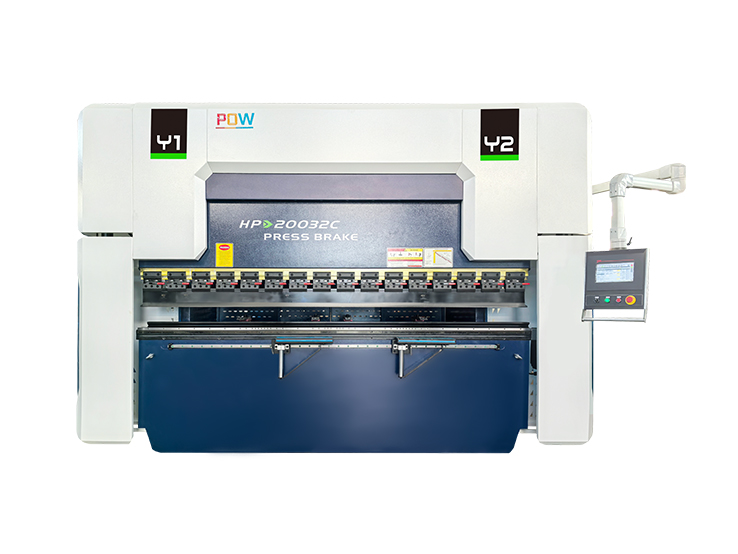 Press Brake
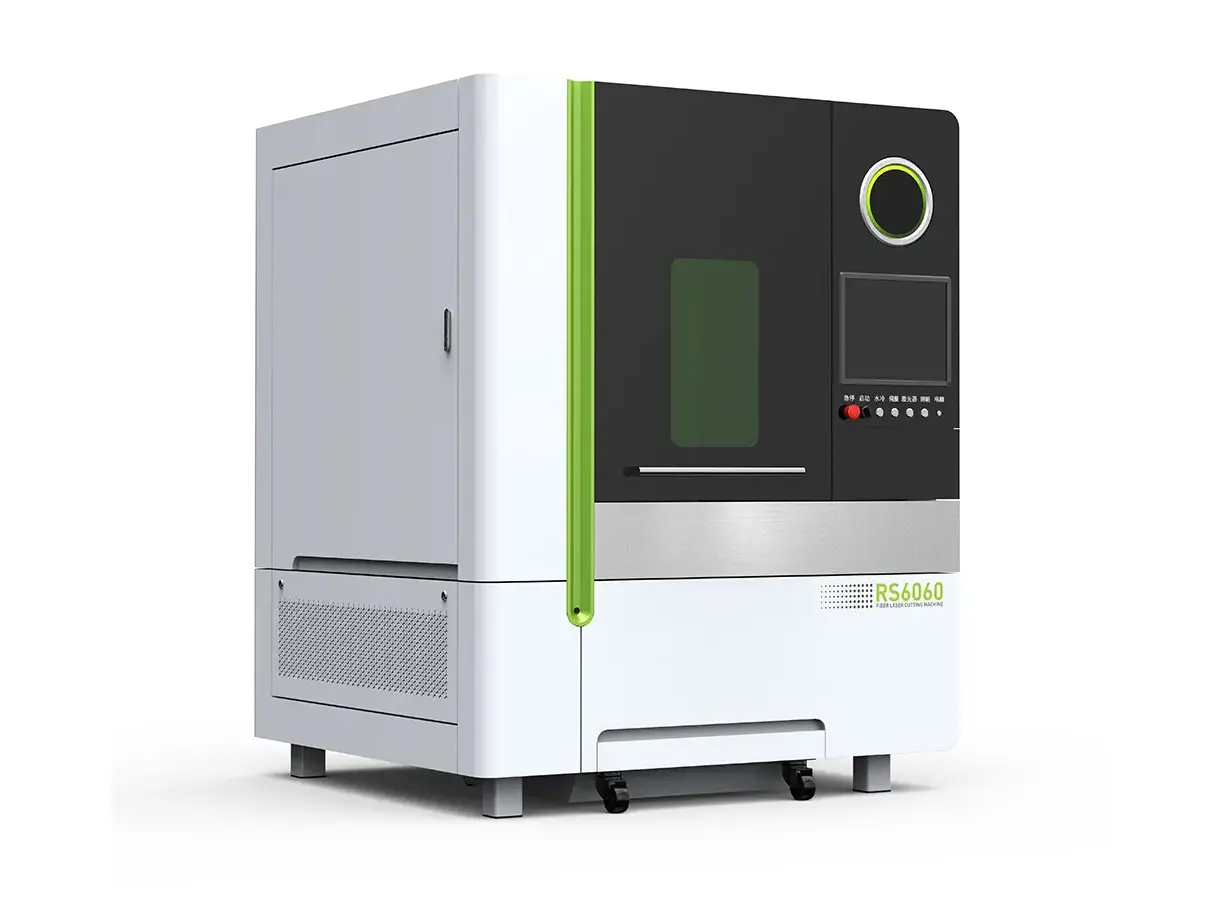 CNC Laser
 Industry Robot
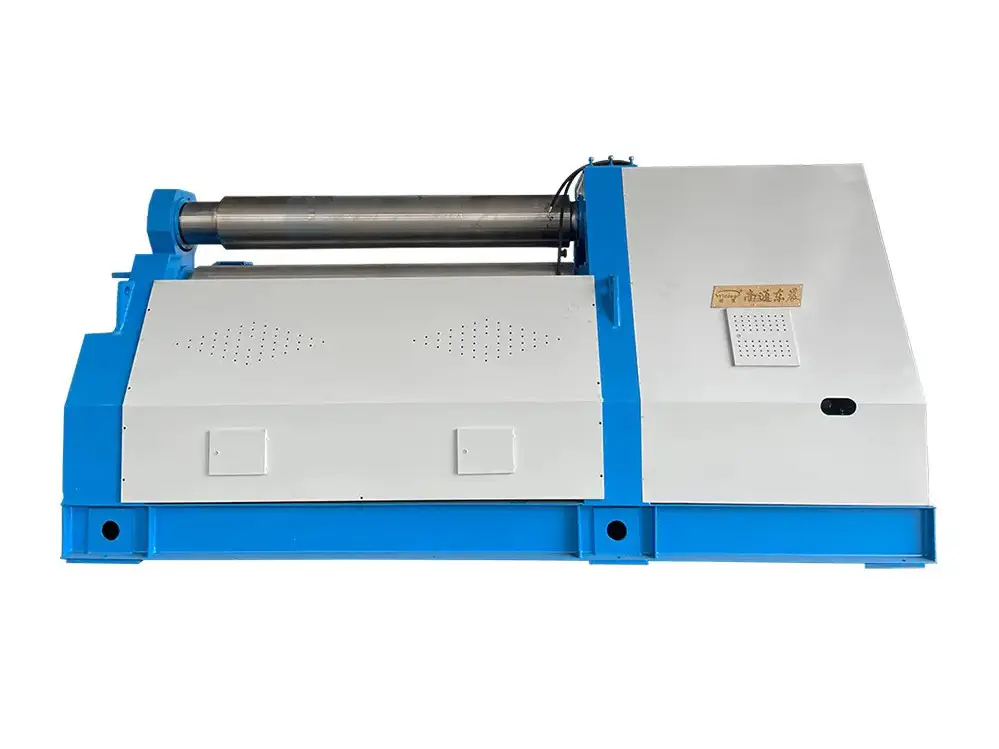 Plate Rolling Machine
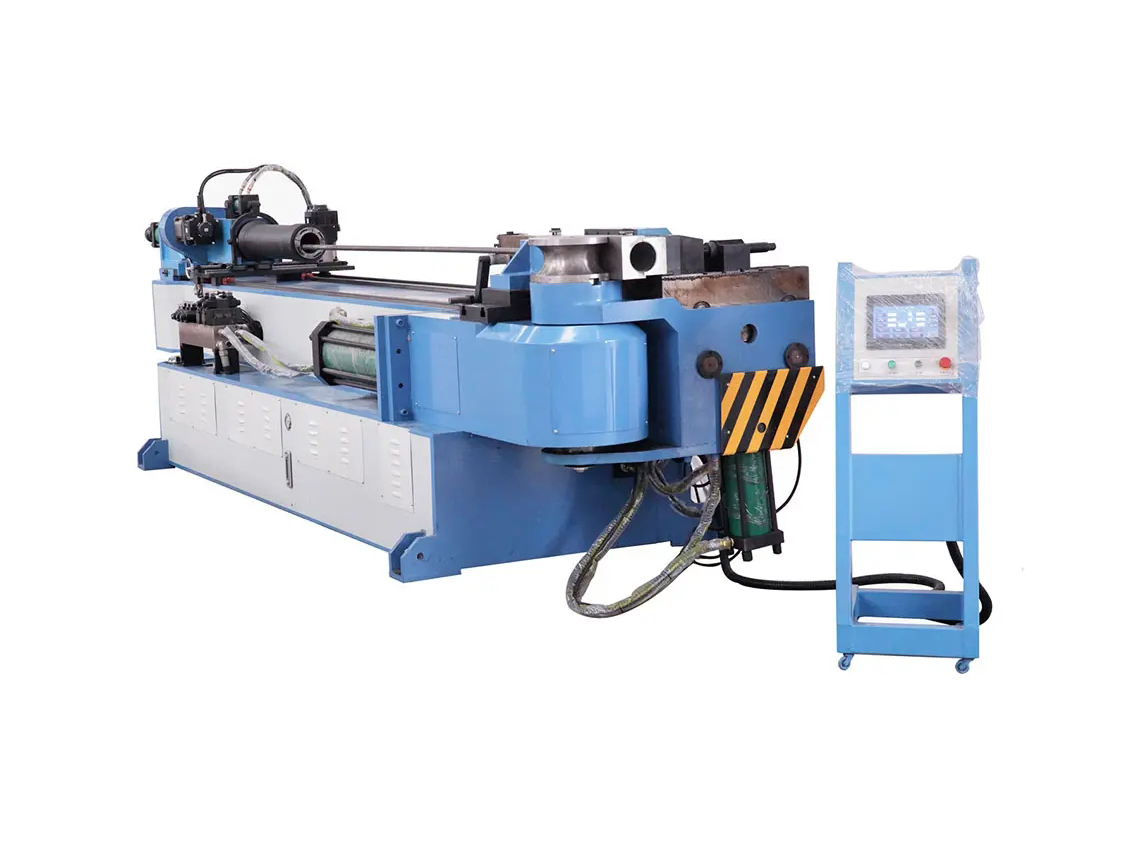 Tube Bending Machine
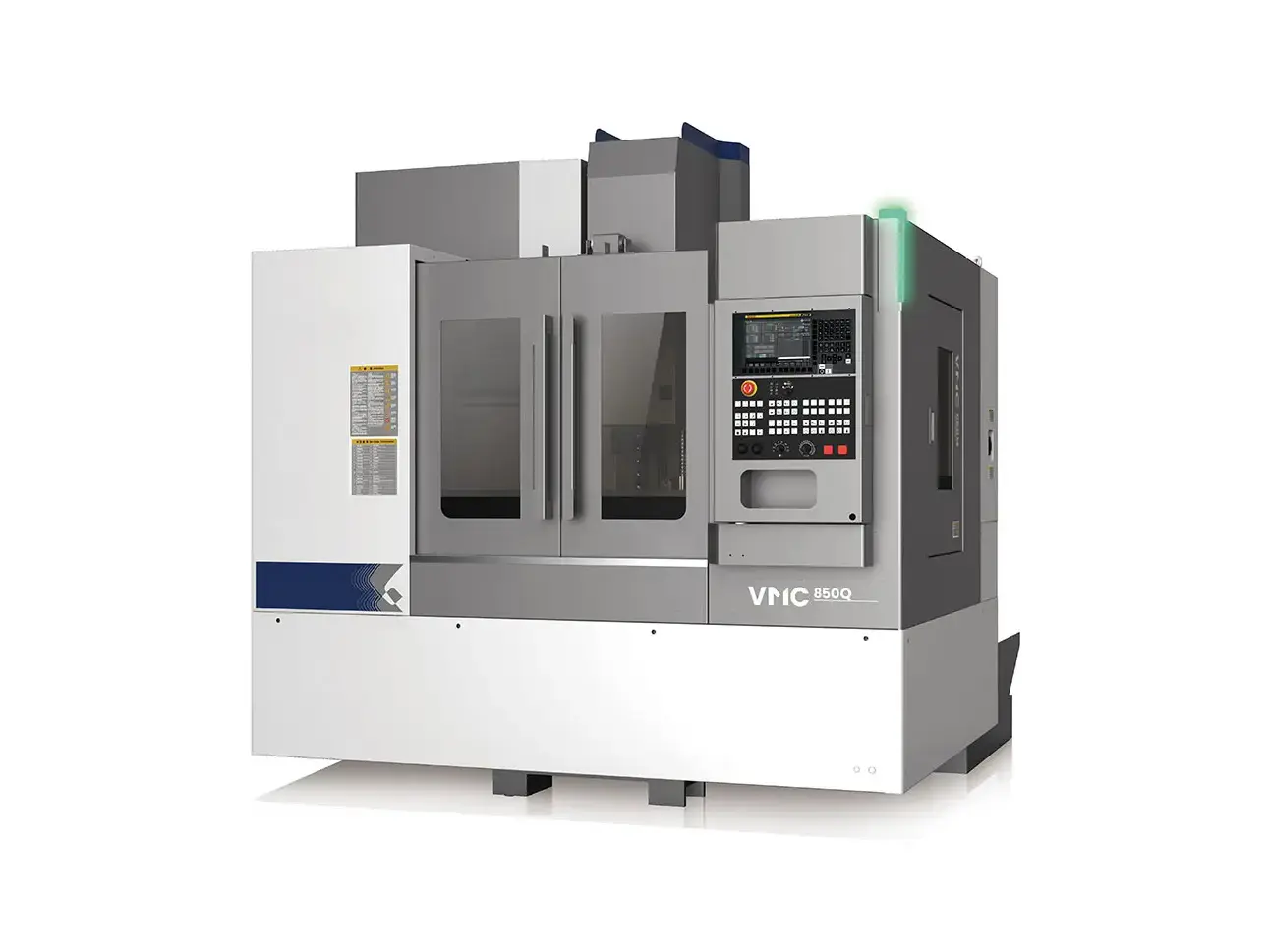 Lathe and Machining Center
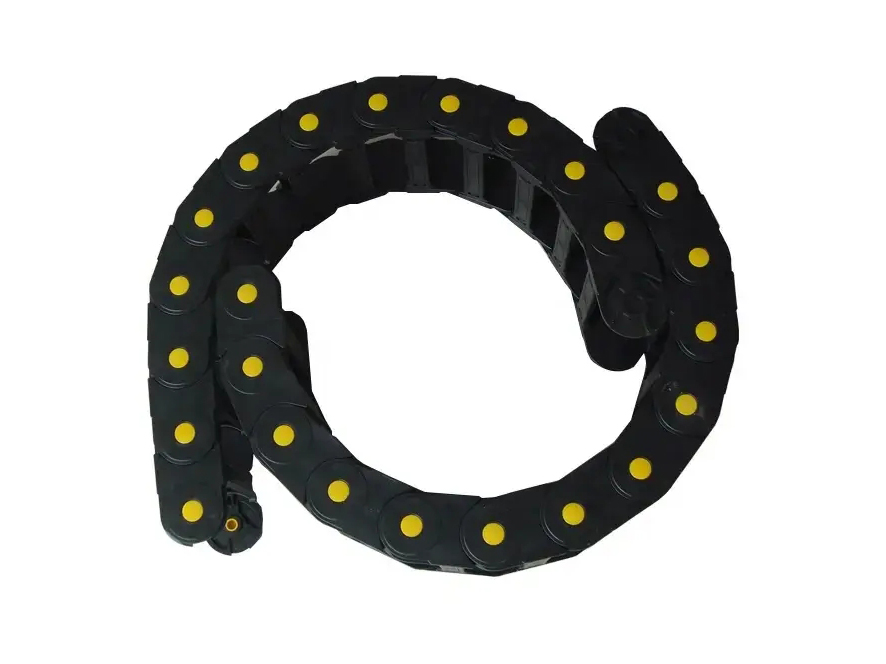 Machine Protection Products