How to Choose the Right Plastic Towline for CNC Machine Tool?
Choosing the right plastic towline for CNC machine tools can be daunting. Experts like John Smith, a leading engineer in motion control, emphasize, “Selecting the correct towline enhances machine efficiency.” This reveals the importance of their role in CNC applications.
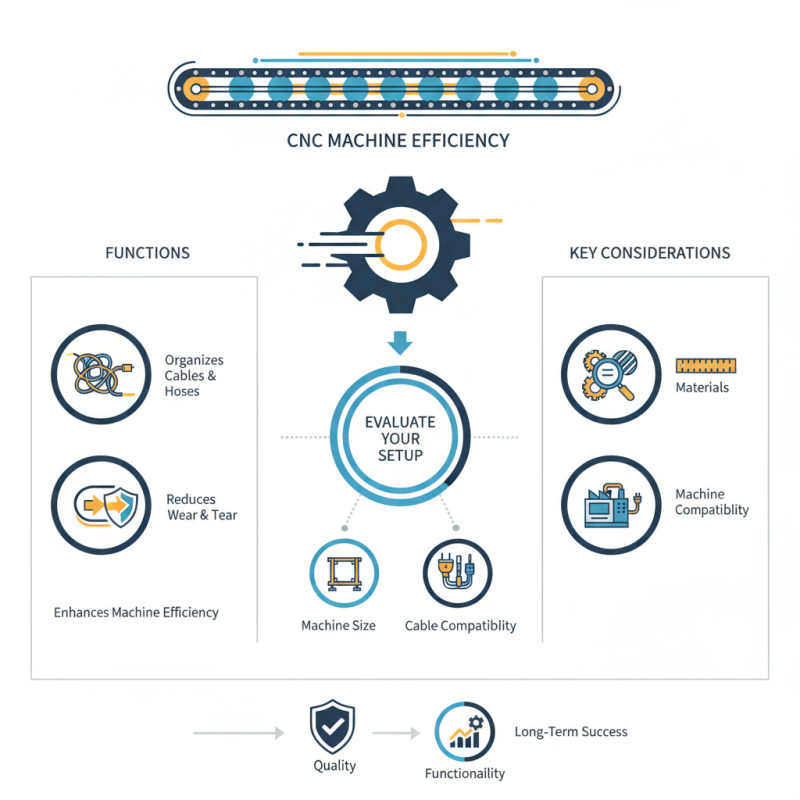
Plastic towlines serve many functions. They organize cables and hoses, reducing wear and tear during operation. However, not every towline suits every machine. Materials, sizes, and designs vary significantly among options. Users often overlook these details, leading to performance issues.
Evaluating your specific CNC setup is crucial. Consider factors such as machine size and cable compatibility. Choosing a plastic towline for CNC machine tools may seem straightforward. Yet, it requires thoughtful consideration. Aim for quality and functionality to ensure long-term success in your operations.
Understanding the Importance of Plastic Towlines in CNC Operations
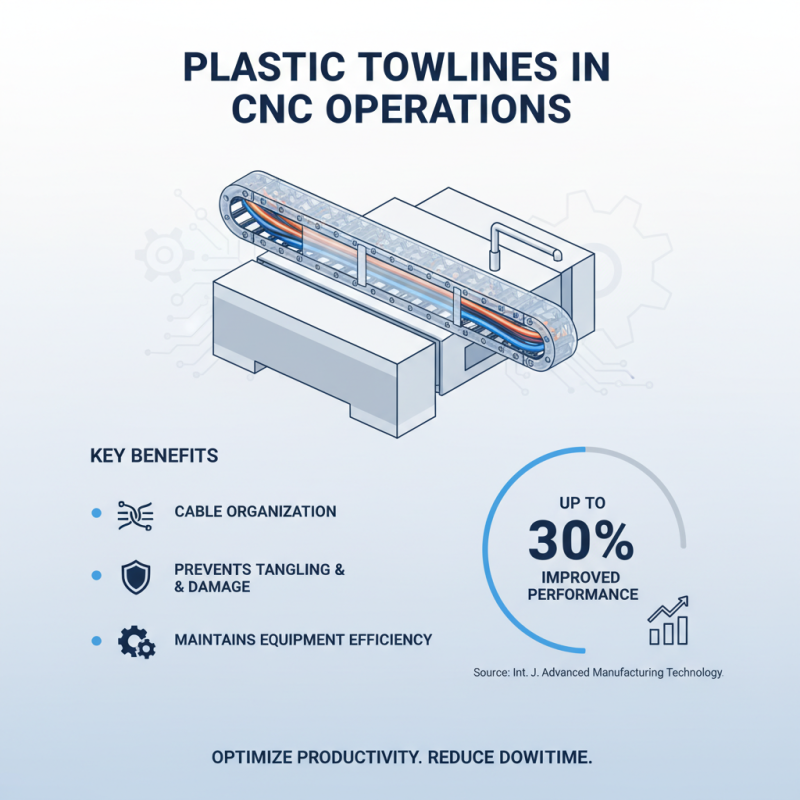
In CNC operations, plastic towlines play a crucial role. These components ensure seamless movement and organization of cables. They help prevent tangling and damage while maintaining equipment efficiency. A study by the International Journal of Advanced Manufacturing Technology noted that cable management can improve machine performance by up to 30%. This optimization is vital for maintaining high productivity levels in manufacturing.
Choosing the right plastic towline involves understanding your machine's specific requirements. Different machines may require varying towline sizes, shapes, and materials. Misalignment can lead to increased downtime and maintenance costs. It’s essential to assess your unique workspace and operational demands carefully.
Tips: Always calculate the cable lengths needed for your CNC machine. This helps in selecting a suitable towline. Consider factors like temperature, flexibility, and weight capacity. A poorly chosen towline can result in operational inefficiencies and unexpected failures. Regularly inspect your towline for wear and tear. This proactive approach can prevent costly repairs down the line.
Key Factors to Consider When Selecting a Plastic Towline Material
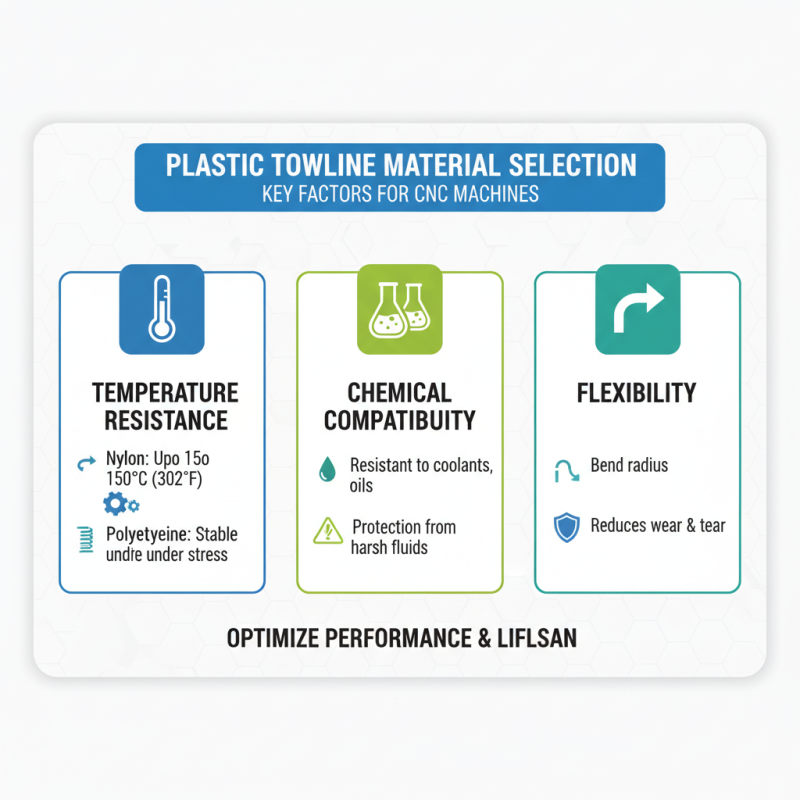
Choosing the right plastic towline for CNC machine tools can be challenging. The material you select plays a crucial role in the overall effectiveness and lifespan of the system. Key factors to consider include temperature resistance, chemical compatibility, and flexibility. For instance, nylon towlines can withstand temperatures up to 150°C, while polyethylene remains stable under stress.
When assessing your options, you may also want to consider the weight and wear resistance of the material. According to industry reports, polymers can reduce noise levels in machinery while providing durability. For instance, adding a protective outer layer can enhance durability and prolong service life.
Tips: Always test a small section in your application first. It could save you time and money. Pay attention to the bend radius; an inadequate radius can lead to premature wear. Remember, not every material works for every application. It's essential to do thorough research, checking specifications before you decide. Your choice today impacts performance tomorrow.
Analyzing Load Capacity and Weight for CNC Machine Towlines
When selecting a plastic towline for CNC machine tools, analyzing load capacity is crucial. Manufacturers often categorize towlines by maximum load.
For instance, many reports indicate that a standard towline can handle anywhere from 5 to 50 kg, depending on material and design.
It's essential to assess the weight of the cable and hose assemblies that will be housed within the towline. Accurate evaluation can prevent mechanical failures.
Weight also plays a critical role. A heavier towline may offer more durability, but it can introduce challenges. It may increase the strain on the machine’s components.
Lightweight options, often made of advanced polymers, can mitigate this issue. However, they might not always provide the necessary strength. Engineers often seek a balance, aiming for a towline that is both light and robust.
Some experts recommend using finite element analysis to simulate load scenarios. This method can uncover potential weaknesses.
Consider the application environment as well. Some towlines must endure harsh conditions.
High temperatures or exposure to chemicals can degrade materials. Regular assessments and adjustments might be necessary.
Users should consistently evaluate their choice of towline based on changing tool requirements and operational loads. This reflective practice can lead to more effective and reliable machine operation.
Evaluating Compatibility with CNC Machine Tool Dimensions and Layout
Choosing the right plastic towline for CNC machine tools involves evaluating compatibility with dimensions and layout. The size of the towline must match the machinery's specifications to avoid operational issues. Reports indicate that misaligned dimensions can lead to mechanical failures, causing downtime and costly repairs.
Consider the dimensions of the CNC machine. The towline's inner width and height should accommodate cables and tubes without strain. A study revealed that about 30% of machine downtime is linked to improper cable management. Clearances between components should also be assessed to prevent collisions.
The layout, including bends and angles, influences the flexibility required in the towline. Inadequate flexibility can lead to cable wear over time.
In some cases, users overlook environmental factors, such as temperature, that can affect towline performance. High temperatures may reduce plastic material strength, increasing the risk of failure. A comprehensive evaluation should also consider the weight and type of cables used within the towline.
Using excessively heavy cables without a properly rated towline can compromise safety and functionality. Being meticulous in these assessments can save significant time and money in the long run.
Assessing Environmental Resistance and Durability of Towline Options
When selecting a plastic towline for a CNC machine tool, environmental resistance is crucial. A towline exposed to chemicals, heat, or moisture must be evaluated carefully. The materials should withstand specific conditions without degrading. For instance, look for towlines made from nylon or polyurethane. These materials offer better resistance. However, even these options can fail under extreme conditions. It's essential to assess the environment where the towline will operate.
Durability should be a primary consideration. A towline may look sturdy but might not last long under constant movement. The wear and tear of the cable and drag along surfaces can be significant. It's beneficial to explore test data on different materials' longevity. Investigating industry feedback can provide insight into real-world performance. Pay attention to any reported issues. A towline that successfully resists environmental challenges today may not perform the same way in the long term. Monitoring its performance over time can reveal potential weaknesses.
In the end, balancing durability and environmental resistance requires thoughtful evaluation of specific operational demands. Consideration for factors like temperature changes or exposure to dirt can influence your choice. Make sure to remain adaptable, as conditions may change, and readiness for modifications in the equipment can lead to better performance overall.
Environmental Resistance and Durability of Towline Options

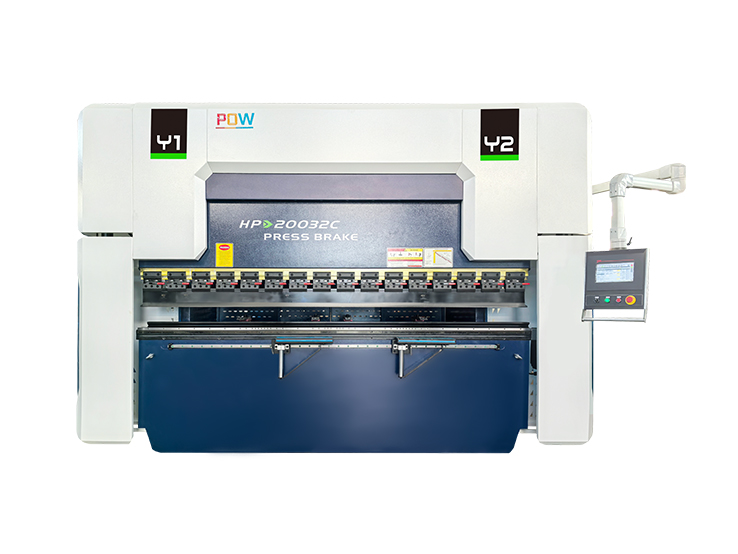 Press Brake
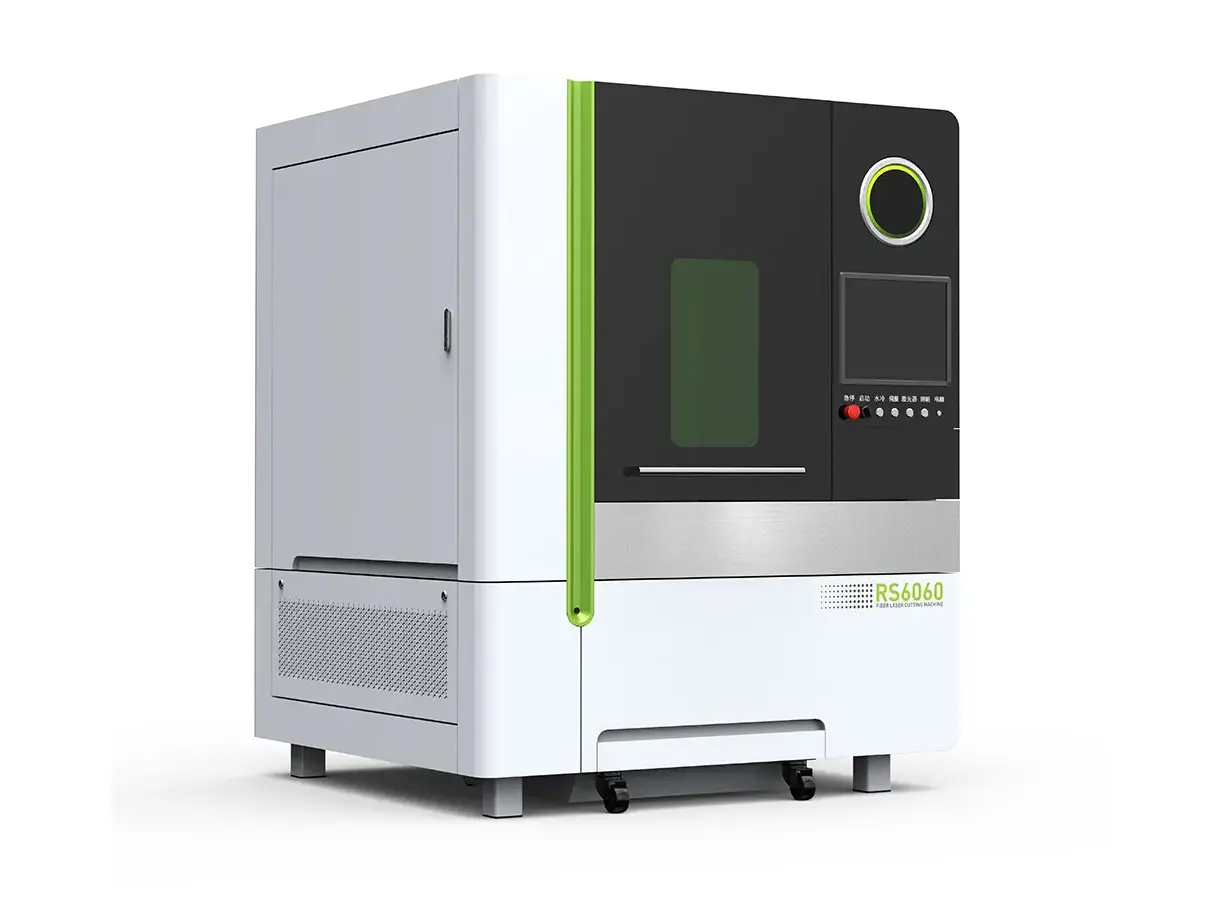 CNC Laser
 Industry Robot
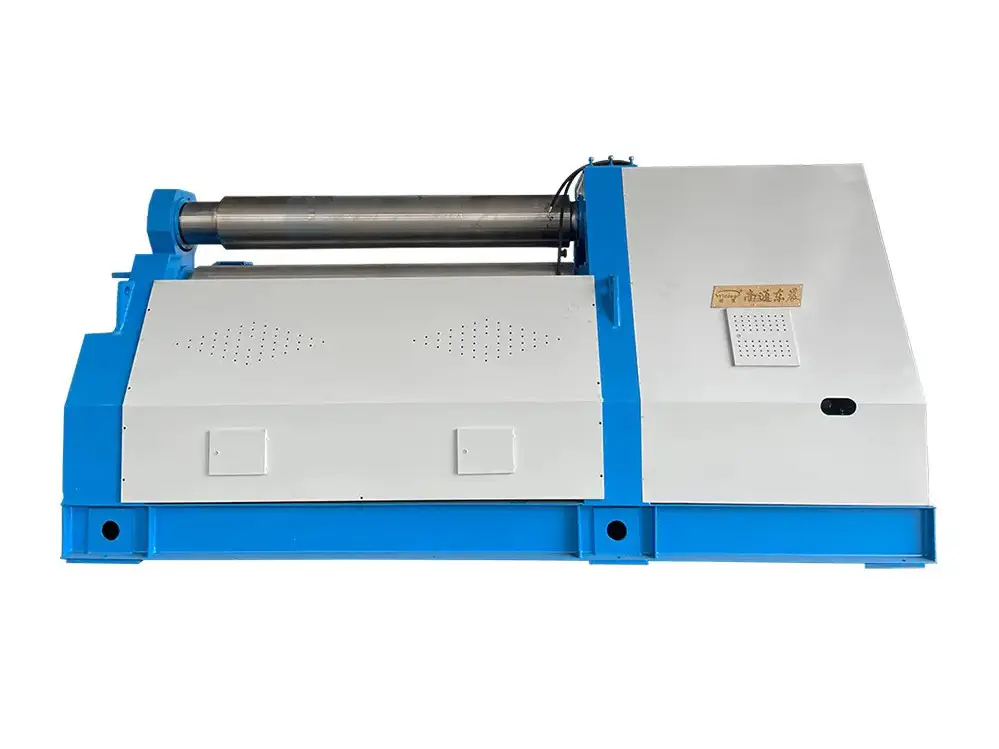 Plate Rolling Machine
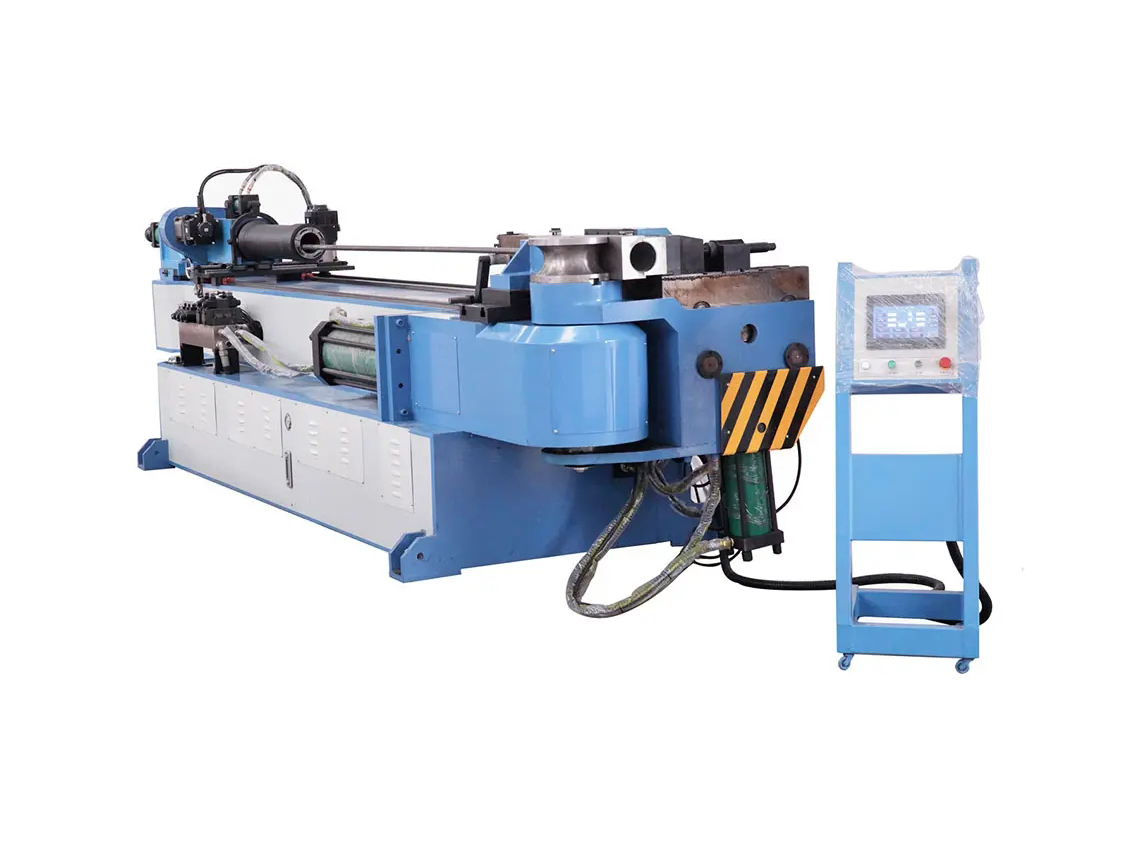 Tube Bending Machine
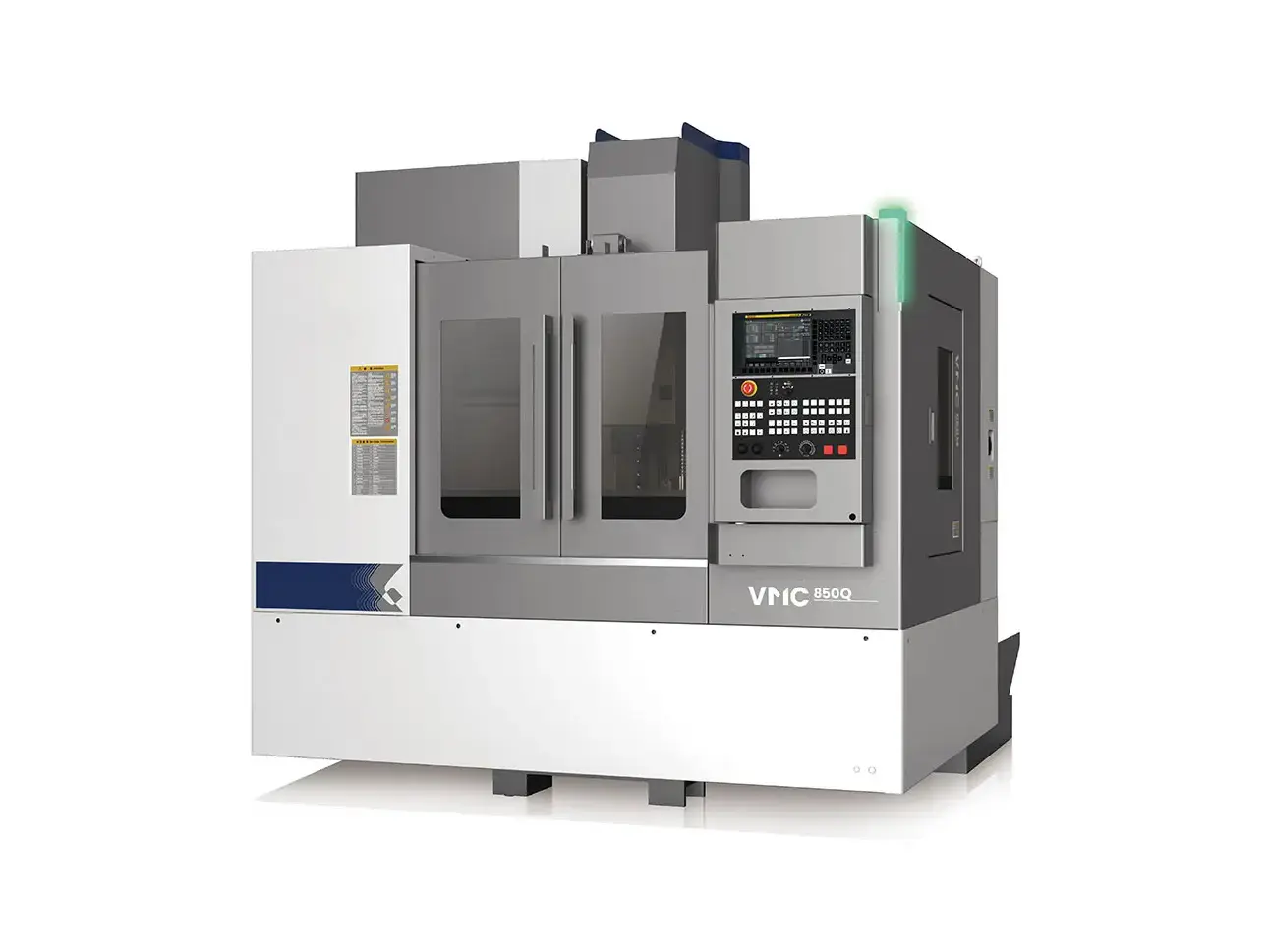 Lathe and Machining Center
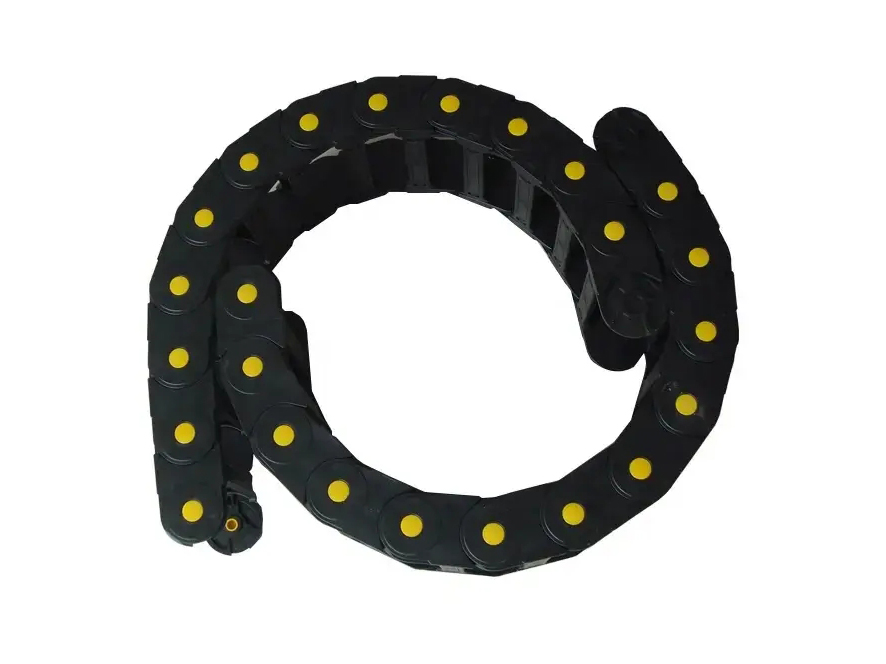 Machine Protection Products