Why Choose a CNC Milling Center for Your Manufacturing Needs?
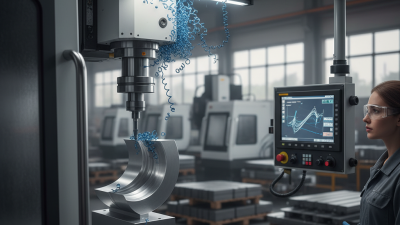
In today’s fast-evolving manufacturing landscape, the choice of equipment is crucial. Experts believe that selecting the right technology can streamline production and enhance precision. John Smith, a renowned CNC expert, once stated, "A CNC Milling Center is the backbone of modern machining." This insight echoes the industry's growing reliance on machining centers for efficiency.
CNC Milling Centers offer flexibility for various projects. From intricate designs to mass production, they adapt well. They are essential in creating complex components with high accuracy. However, companies sometimes underestimate the learning curve involved. Operators need training to maximize software capabilities.
Despite their advantages, CNC Milling Centers come with challenges. Maintenance can be costly and time-consuming. Additionally, not every design suits a CNC approach. Careful consideration is vital when choosing this technology. Balancing precision and cost is often tougher than expected.
Advantages of CNC Milling Centers in Modern Manufacturing
CNC milling centers are transforming modern manufacturing. Their precision and efficiency are unmatched. According to a report by Deloitte, CNC machining can increase production rates by up to 50%. This is significant for industries that demand speed and accuracy.
The automation in CNC milling centers reduces human error. This technology allows for complex designs that manual methods can't achieve. A study from the International Journal of Advanced Manufacturing Technology stated that CNC machines can produce components with tolerances as tight as ±0.005 mm. However, these machines require skilled operators for programming and maintenance. Finding qualified personnel can be a challenge, requiring ongoing training.
Furthermore, CNC milling centers reduce waste. They optimize material usage, which is crucial in today’s eco-conscious environment. However, the initial investment is high. Companies must weigh the upfront costs against long-term savings. This decision can be tough, but the benefits often outweigh the risks for many manufacturers.
Precision and Accuracy: The Hallmarks of CNC Technology
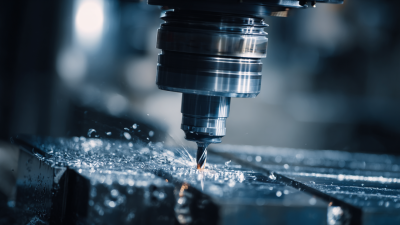
CNC milling centers are known for their precision and accuracy. This technology utilizes computer-controlled tools to create intricate designs. Every detail matters in manufacturing. A slight miscalculation can lead to significant issues. That’s why many choose CNC milling.
Precision is not just a feature; it's a necessity. These machines can produce parts with tolerances of a few microns. Such accuracy allows for better fitting and functionality in assembled products. Moreover, CNC milling can repeat designs with incredible consistency. Each piece is nearly identical to the last.
However, achieving this level of precision requires thoughtful programming and regular maintenance. Sometimes, operators might overlook software updates, which can impact performance. Minor errors can slip through unnoticed. These oversight moments remind manufacturers to continuously assess their processes. Maintaining high standards is essential for long-term success.
Why Choose a CNC Milling Center for Your Manufacturing Needs?
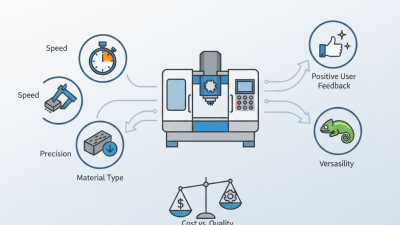
This chart highlights the advantages of CNC milling centers compared to traditional milling methods across various key performance metrics such as precision, speed, material versatility, and cost efficiency.
Versatility: Applications of CNC Milling Across Industries
CNC milling centers are essential in many industries. They offer versatility that meets diverse manufacturing needs. From aerospace to automotive, CNC milling is widely used. It precisely shapes materials into complex parts. This precision reduces waste, saving time and money.
In the aerospace sector, CNC milling creates lightweight components. These parts must meet strict safety standards. This complexity often leads to challenges in design and production. In the automotive realm, intricate geometries help improve performance. However, not every design translates well into manufacturing. Sometimes, prototypes reveal design flaws that require rethinking.
Healthcare also benefits from CNC milling. Surgical instruments must be both precise and reliable. However, calibrating these tools can pose difficulties. One oversight can lead to significant errors. Continuous testing and feedback loops are vital in this industry. Despite the challenges, CNC milling remains a critical technology across sectors, constantly evolving to meet specific demands.
Cost Efficiency: How CNC Milling Centers Reduce Production Expenses
CNC milling centers are becoming popular in manufacturing. They offer a way to improve cost efficiency significantly. These machines operate with high precision, reducing material waste during production. Imagine a scenario where every cut is measured perfectly. This minimizes errors that often lead to scrap, saving money.
The automation of CNC milling centers also contributes to lower labor costs. Fewer workers are required for monitoring machinery. Tasks that once took hours can now be completed much faster. This means that companies can produce more in less time and with fewer resources. However, it's essential to understand that initial setup costs can be high. Investing in these machines requires careful thought.
Nevertheless, companies that make this investment can enjoy long-term savings. Consistency in production improves quality, which may lead to fewer returns and higher customer satisfaction. While there are challenges in transitioning to CNC technology, the long-term benefits are compelling. Manufacturers must weigh these aspects carefully.
Why Choose a CNC Milling Center for Your Manufacturing Needs? - Cost Efficiency: How CNC Milling Centers Reduce Production Expenses
| Cost Category |
Traditional Manufacturing |
CNC Milling Centers |
Estimated Savings (%) |
| Labor Costs |
$50,000 |
$30,000 |
40% |
| Material Wastage |
15% |
5% |
66.67% |
| Production Time |
100 hours |
60 hours |
40% |
| Setup Costs |
$10,000 |
$5,000 |
50% |
| Maintenance Costs |
$15,000 |
$8,000 |
46.67% |

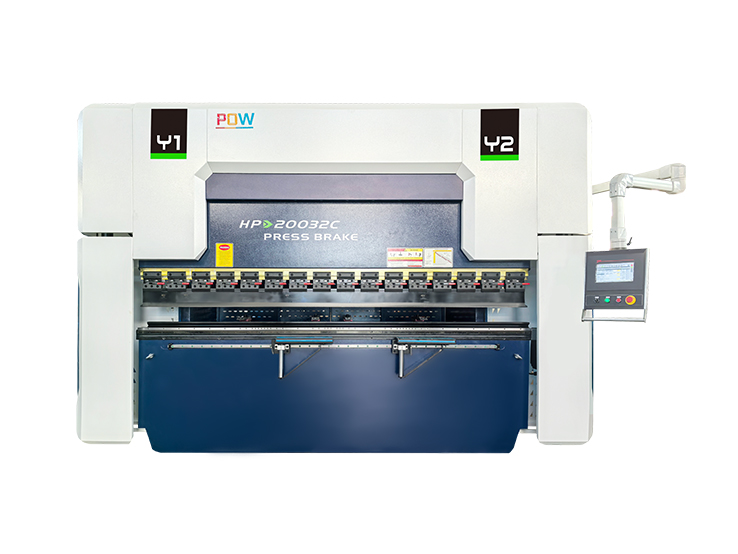 Press Brake
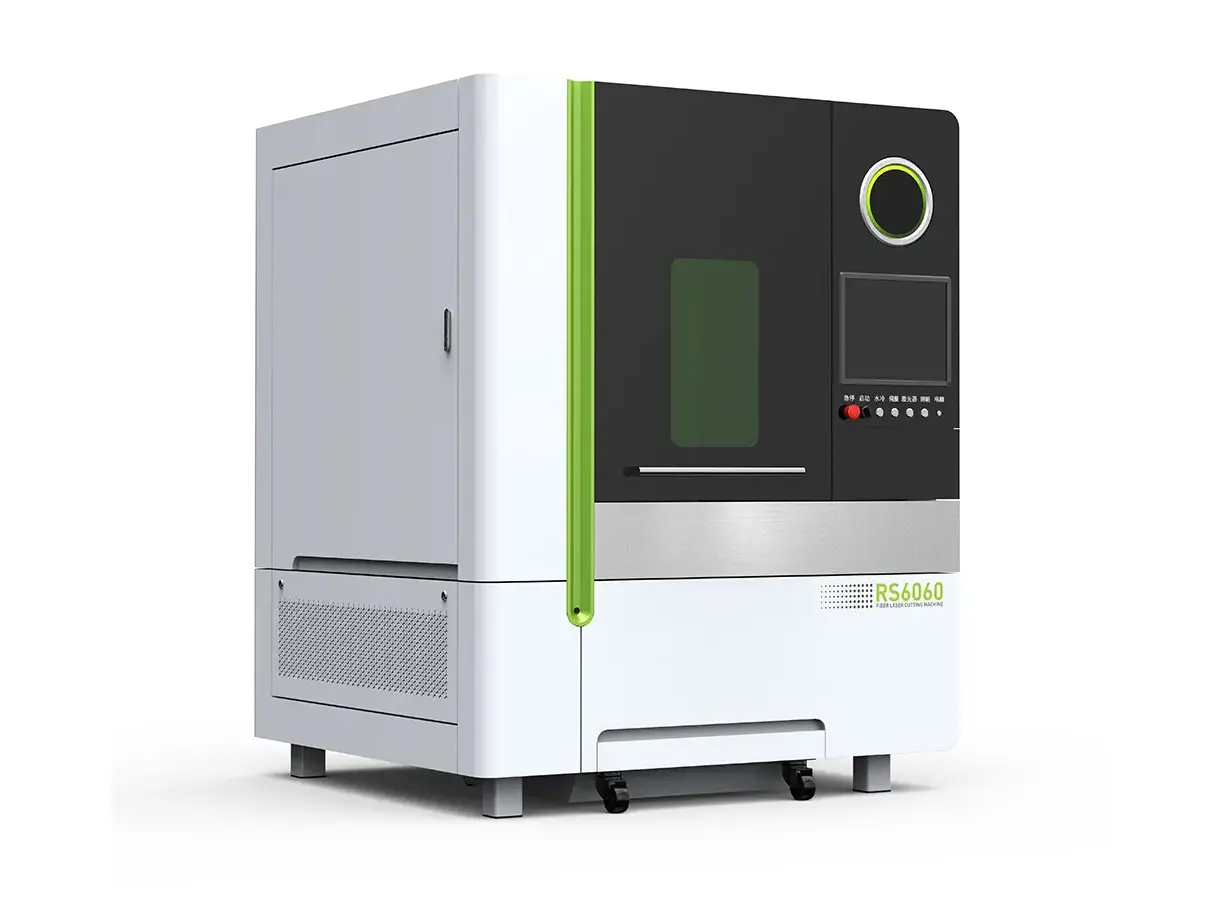 CNC Laser
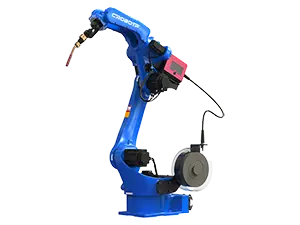 Industry Robot
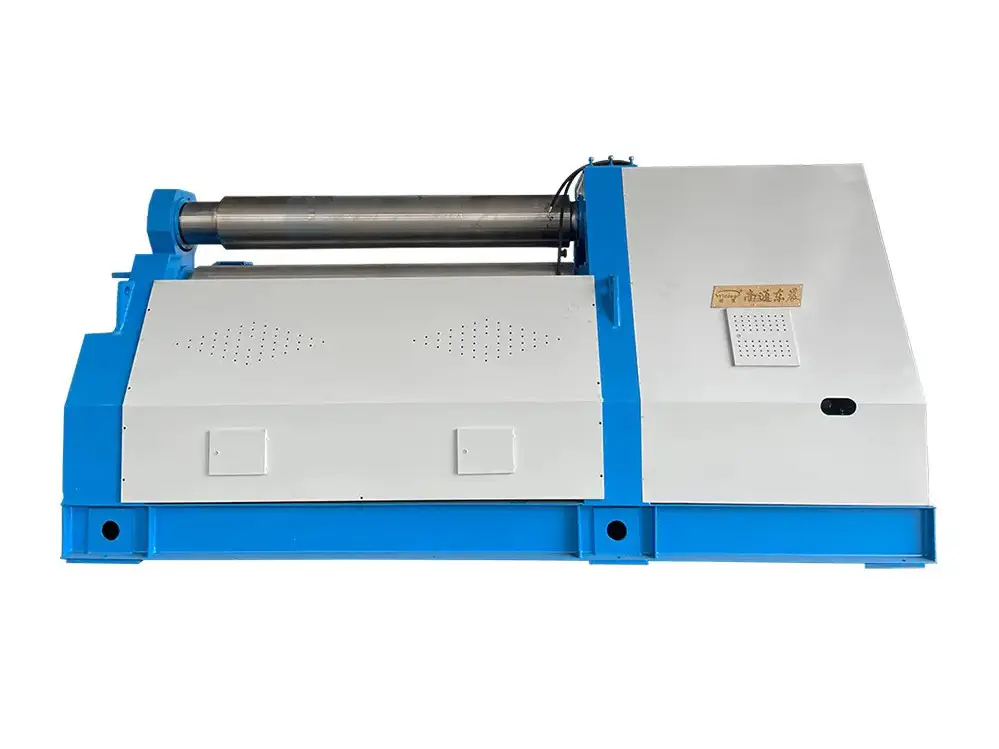 Plate Rolling Machine
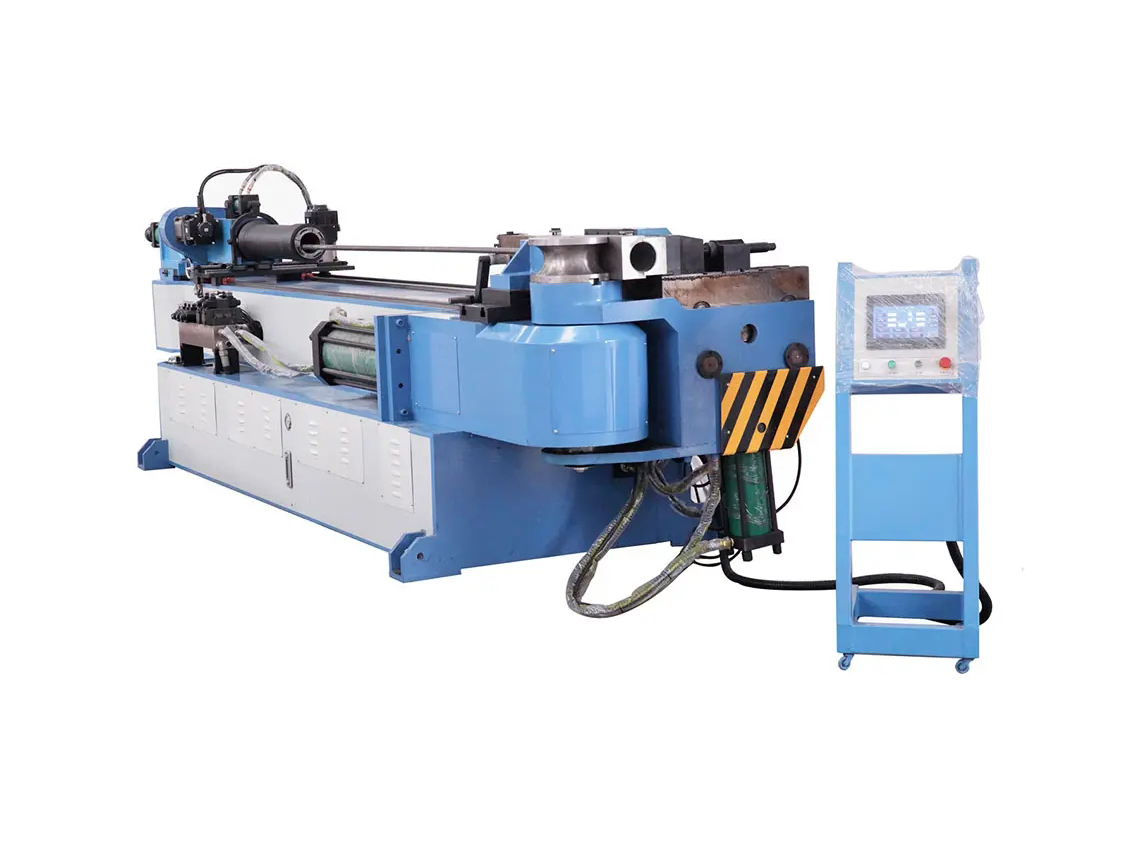 Tube Bending Machine
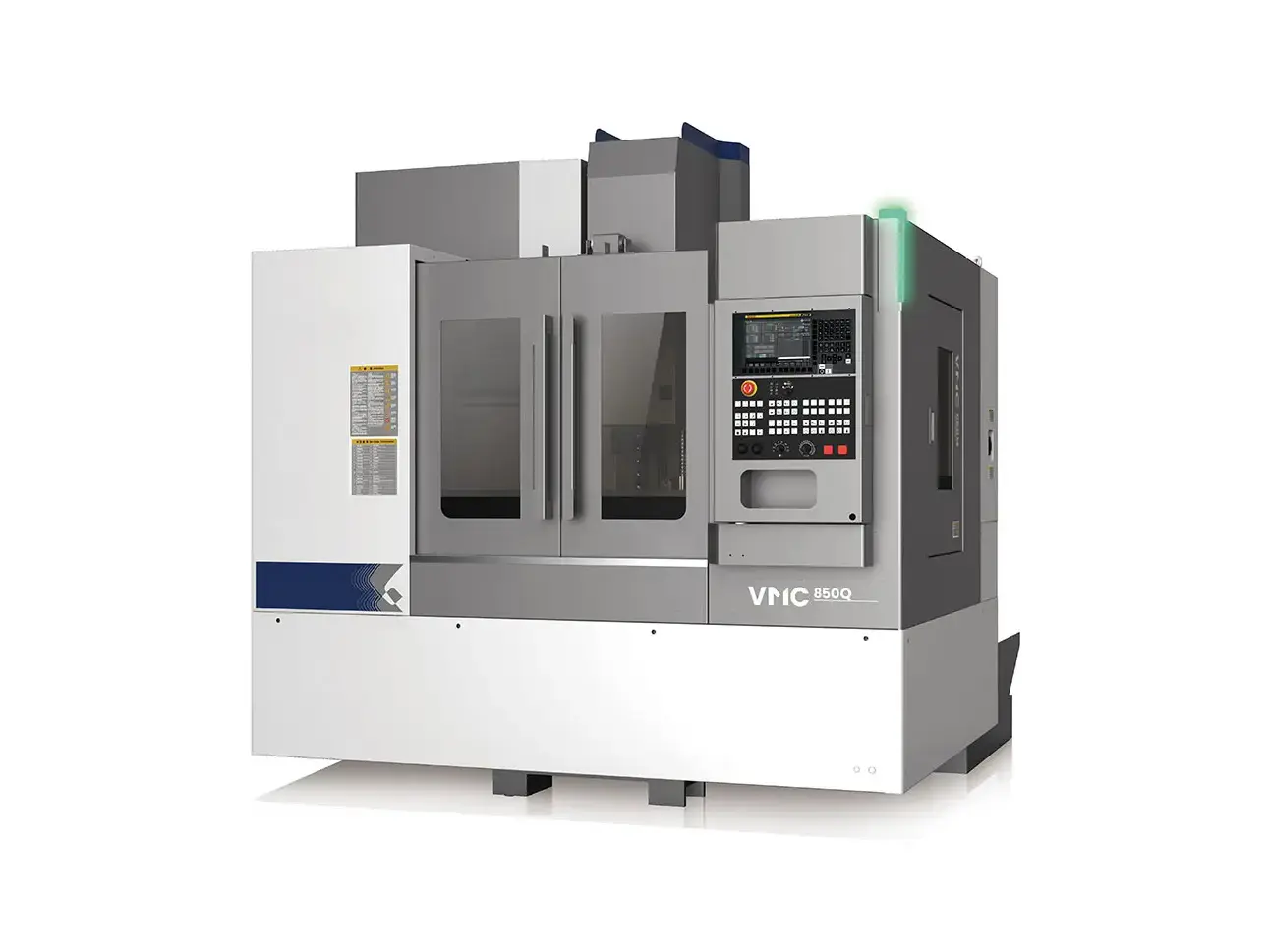 Lathe and Machining Center
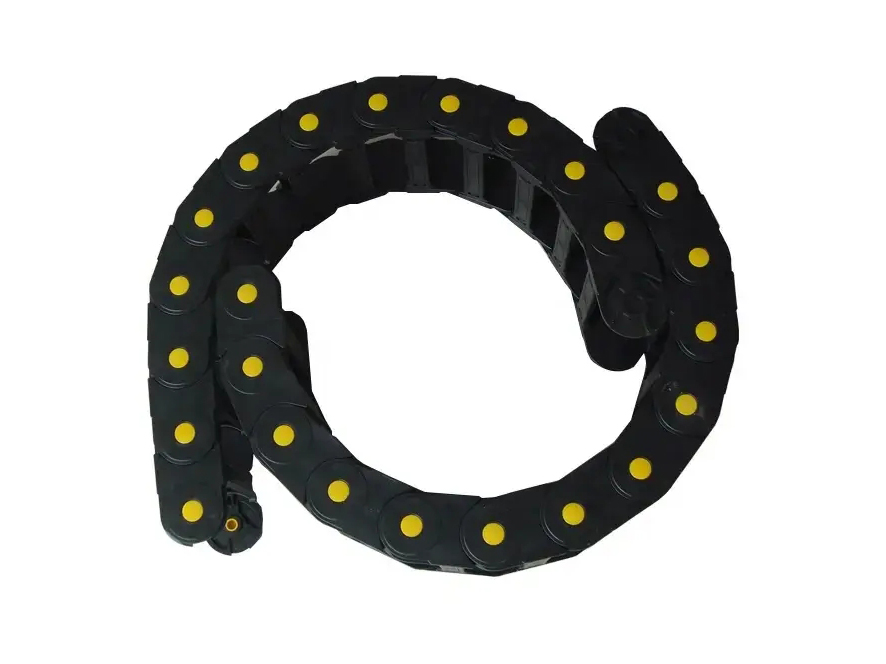 Machine Protection Products