Explore the Benefits of High Precision Laser Cutters for Your Business?
In today's competitive landscape, businesses seek tools that enhance precision and efficiency. A High Precision Laser Cutter stands out in this regard, offering remarkable benefits across various industries. These machines do more than cut materials; they deliver accuracy that traditional methods can hardly achieve.
The impact of a High Precision Laser Cutter on production quality is significant. It minimizes waste and maximizes output. Yet, investing in such technology requires careful consideration. Not all businesses may be ready for this leap. Understanding specific needs and capabilities is essential.
Additionally, while a High Precision Laser Cutter can streamline workflows, it does come with a learning curve. Employees must be trained effectively to harness its full potential. Balancing the investment with the expected return is vital for success. Embracing innovation can drive growth, but readiness must be assessed to avoid setbacks.
Understanding High Precision Laser Cutters: An Overview
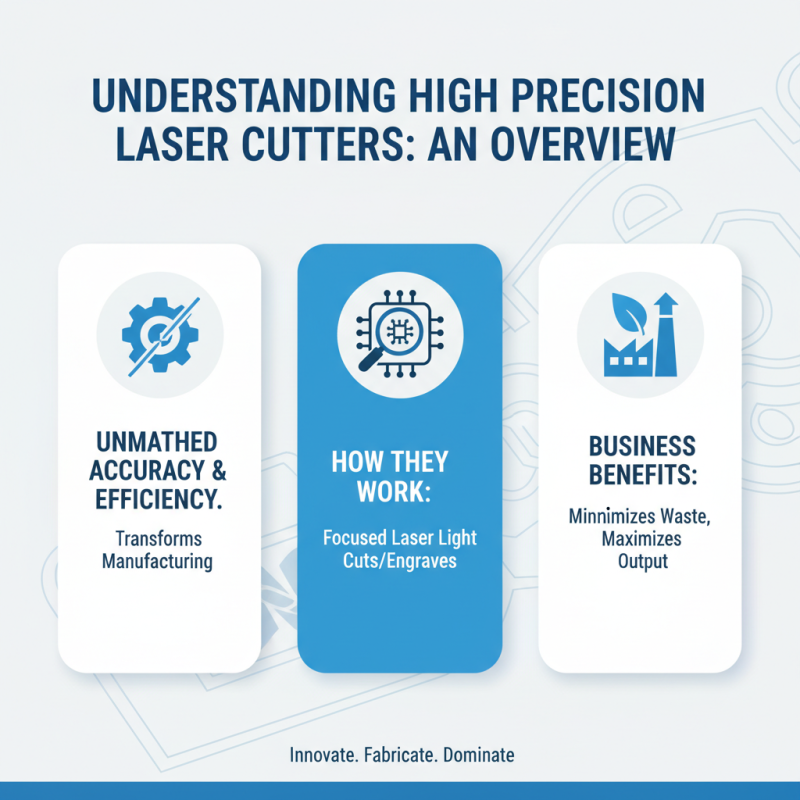
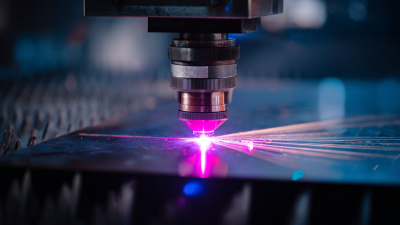
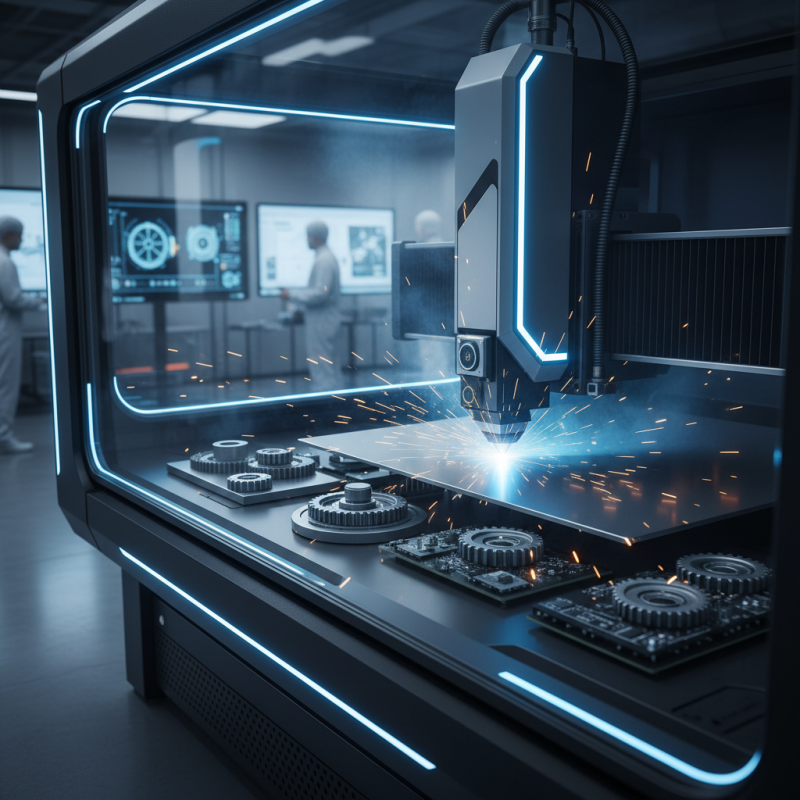
High precision laser cutters are transforming the manufacturing landscape. They offer unmatched accuracy and efficiency. Understanding how these machines work can benefit your business greatly. Laser cutters utilize focused beams of light to cut or engrave materials with precision. This technology minimizes waste and maximizes output.
For businesses aiming to enhance production, investing in a high precision laser cutter is worthwhile. They can handle various materials such as metals, plastics, and wood. This versatility opens new avenues for product design and customization. However, it’s crucial to understand the maintenance required for optimal performance. Regular cleaning and calibration are essential to ensure longevity and accuracy.
Tip: Before purchasing, assess your specific needs. A comprehensive understanding can prevent costly mistakes.
Another important consideration is employee training. Users must be skilled in handling equipment safely. Insufficient training can lead to errors and safety hazards. Investing time in proper education is essential.
Tip: Provide ongoing training sessions. Encouraging feedback can enhance skills and improve processes. Embrace continuous learning to keep pace with technological advancements.
Key Advantages of High Precision Laser Cutting Technology
High precision laser cutting technology offers significant advantages for businesses aiming to enhance their production capabilities. One immediate benefit is its ability to deliver intricate designs with remarkable accuracy. Laser cutters can achieve tolerances as tight as 0.1 mm. This precision minimizes material waste and optimizes resource utilization, which is essential for cost-effective manufacturing.
Another key aspect is the versatility of laser cutting. It works on a variety of materials including metals, plastics, and wood. This adaptability allows businesses to explore diverse markets and product lines. However, it’s crucial to acknowledge that while laser cutting is efficient, it may not be ideal for all types of projects. Some materials require specific settings and expertise, which can lead to challenges if not properly managed.
Moreover, the speed of laser cutting enhances production rates, making it possible to meet tight deadlines. Businesses can produce large quantities without sacrificing quality. Yet, it’s important to regularly evaluate the machine's performance and ensure proper maintenance. Over time, even precision tools can experience wear. Reflecting on how these machines impact workflow is vital for long-term success.
Applications of High Precision Laser Cutters in Various Industries
High precision laser cutters are transforming various industries with their unique capabilities. In the automotive sector, for example, precision laser technology enhances efficiency. According to a report by MarketsandMarkets, the global laser cutting market is expected to reach $6.3 billion by 2026, indicating a growing reliance on these tools. Accurate cuts reduce waste and minimize errors, which significantly lowers production costs.
In the electronics industry, these lasers are crucial for intricate designs. They can cut thin materials like PCBs with outstanding precision. A study from Grand View Research highlights that over 60% of electronics manufacturers are now adopting laser cutting technology for their operations. This shift leads to faster production times and improved product quality. However, integrating these systems can be challenging. Companies often face a steep learning curve and require specialized training for staff.
The aerospace sector also benefits from high precision laser cutting. It allows for lightweight components, enhancing fuel efficiency. A recent report indicated that precision components can improve a plane's performance by up to 10%. Despite these advantages, companies must navigate initial setup costs and potential downtime during implementation. Each industry presents unique challenges, making adaptability essential in leveraging technology effectively.
Cost Efficiency and Time Savings with Laser Cutting Solutions
High precision laser cutters are revolutionizing the manufacturing industry. These machines offer significant cost efficiency and time savings. With their ability to cut materials precisely, businesses can reduce waste. This not only saves money but also enhances overall productivity. The reduced margin for error in laser cutting means fewer resources are spent on corrections and rework.
Investing in high precision laser cutting can seem daunting. However, the initial costs are often balanced by long-term savings. For instance, faster cutting speeds mean projects are completed quicker. This can lead to quicker turnaround times for clients. Furthermore, less energy is used during operation, which can lower utility bills.
Of course, it’s essential to consider potential drawbacks. Not all materials are suitable for laser cutting, and certain setups may require adjustments. Training staff to operate this technology effectively may also incur additional time and costs. Hence, businesses must weigh these factors before committing. Understanding the intricacies of laser systems is crucial for maximizing their benefits.
Cost Efficiency and Time Savings with Laser Cutting Solutions
Choosing the Right High Precision Laser Cutter for Your Business Needs
Choosing the right high precision laser cutter is crucial for maximizing your business's efficiency. Precision is vital in today’s competitive landscape. A report from MarketsandMarkets estimates that the global laser cutting market will reach $7.9 billion by 2026. This growth reflects the increasing demand for high-quality, intricate cuts in various industries.
When selecting a laser cutter, consider factors like wattage and cutting speed. For example, machines with higher wattage can handle thicker materials. This capability directly translates to reduced production time. A strong focus on material compatibility is also necessary. Different sectors, such as automotive and aerospace, require specific cutting technologies. According to a survey by Technavio, over 25% of businesses cite material versatility as a key factor in their purchasing decisions.
However, it's essential to evaluate your business's unique requirements. A powerful cutter may not always be the best choice for smaller projects. Assessing current workflow efficiency can highlight where improvements are needed. A high precision laser cutter can enhance production but may also require extensive training. Balancing the benefits with operational complexities is crucial for success.
Explore the Benefits of High Precision Laser Cutters for Your Business
| Feature |
Description |
Benefits |
Industry Applications |
| Precision |
Ability to cut materials with high accuracy |
Minimized material waste and enhanced quality |
Electronics, Automotive |
| Speed |
Rapid processing of cutting operations |
Increased throughput and productivity |
Manufacturing, Aerospace |
| Versatility |
Capable of cutting various materials |
Flexibility in design and production |
Textiles, Wood, Acrylic |
| Cost-Effectiveness |
Lower operational costs over time |
Reduced labor costs and minimal defects |
Construction, Art and Design |
| Safety |
Fume extraction and laser safety features |
Safer working environment |
Laboratories, Medical Devices |

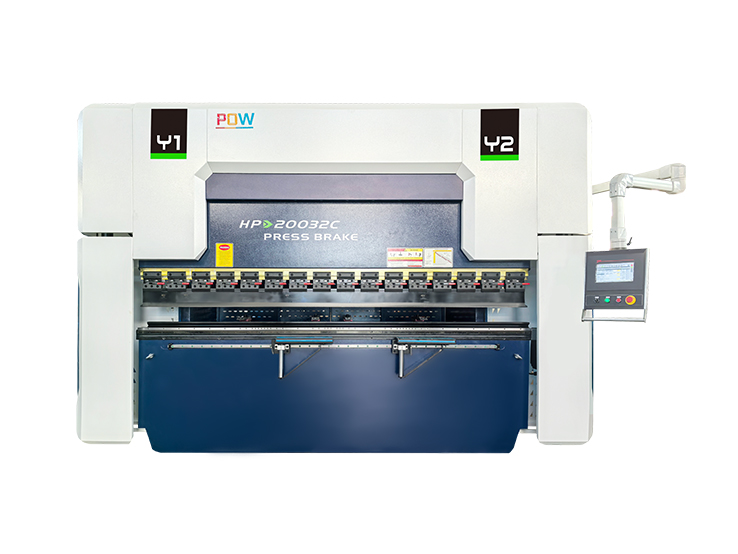 Press Brake
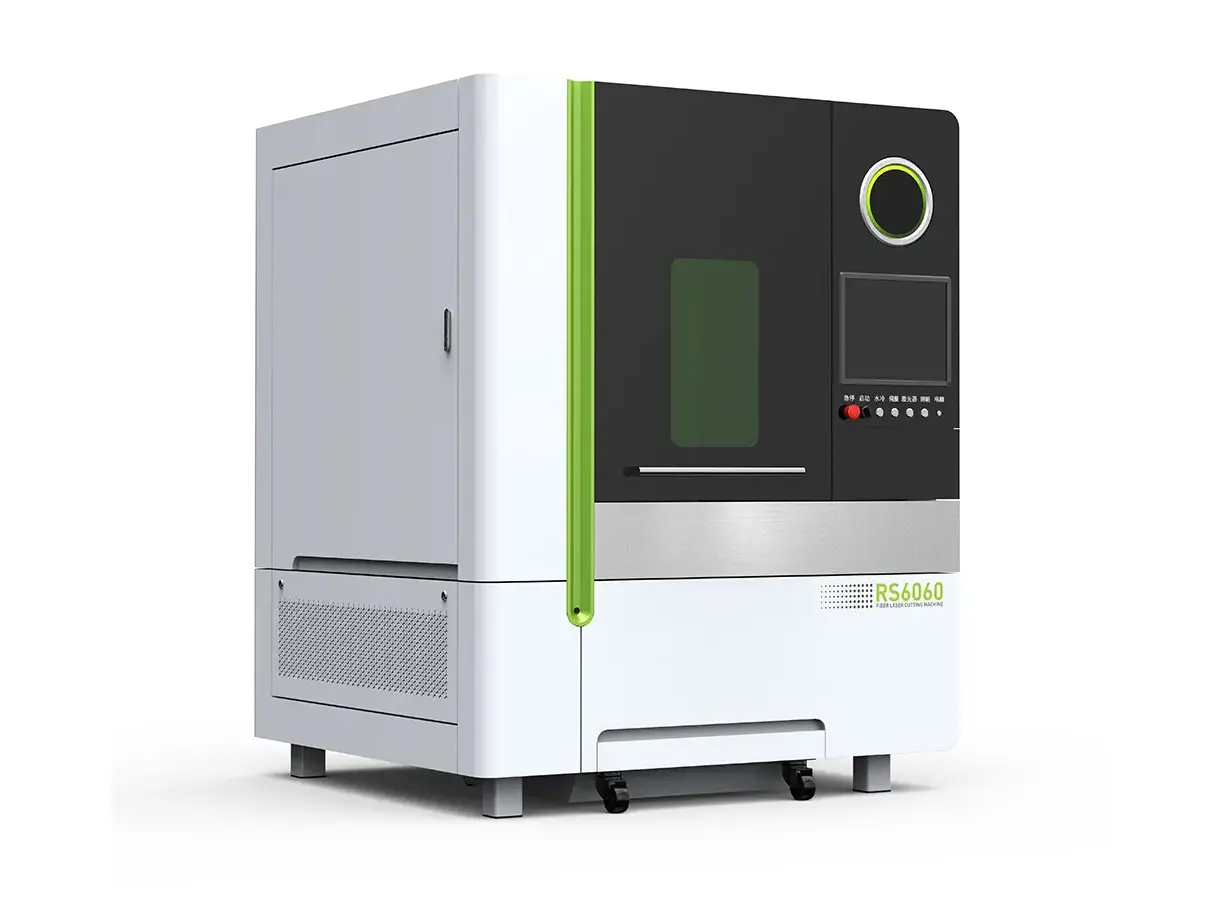 CNC Laser
 Industry Robot
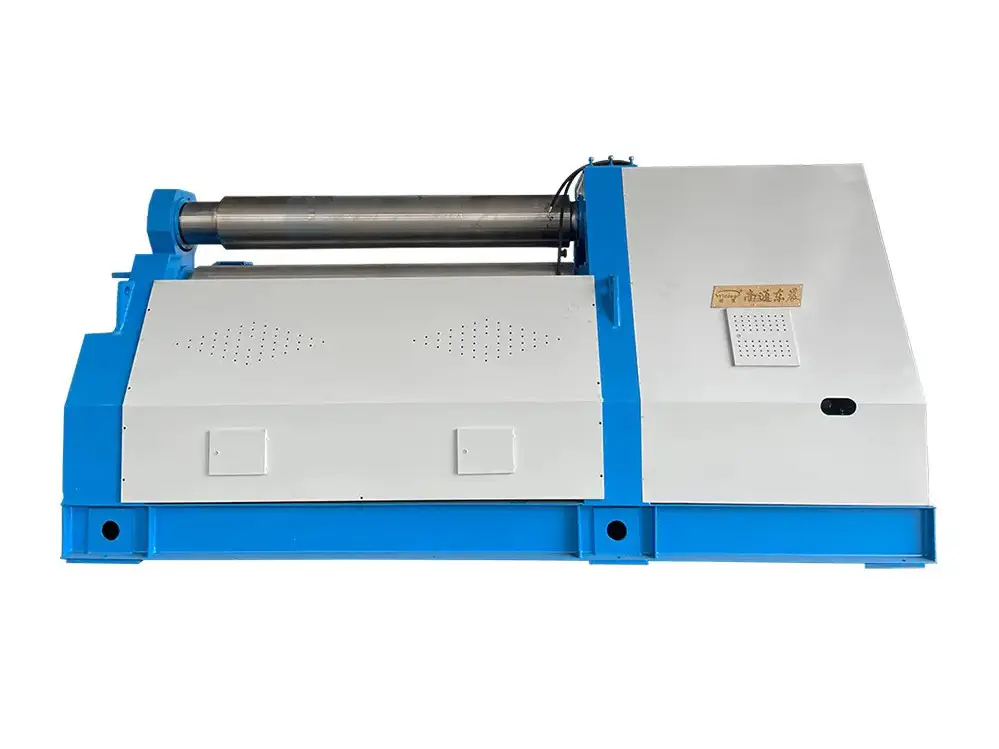 Plate Rolling Machine
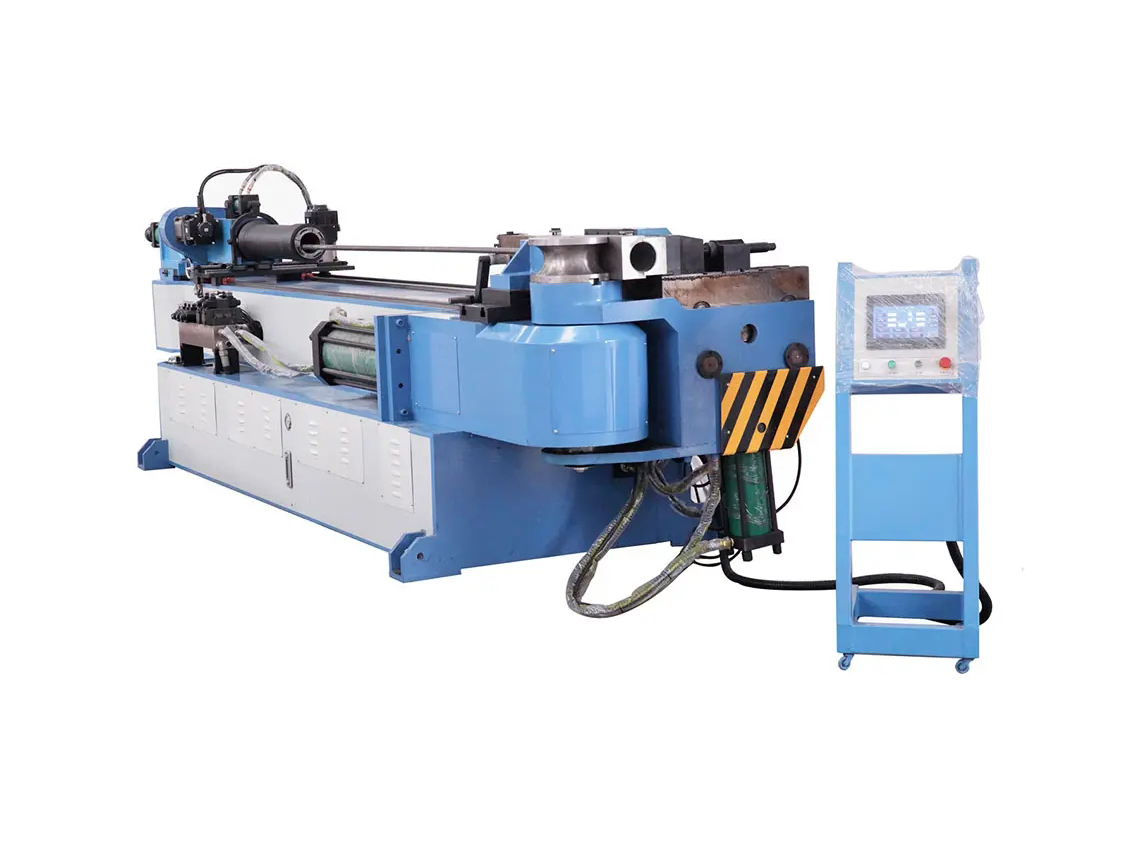 Tube Bending Machine
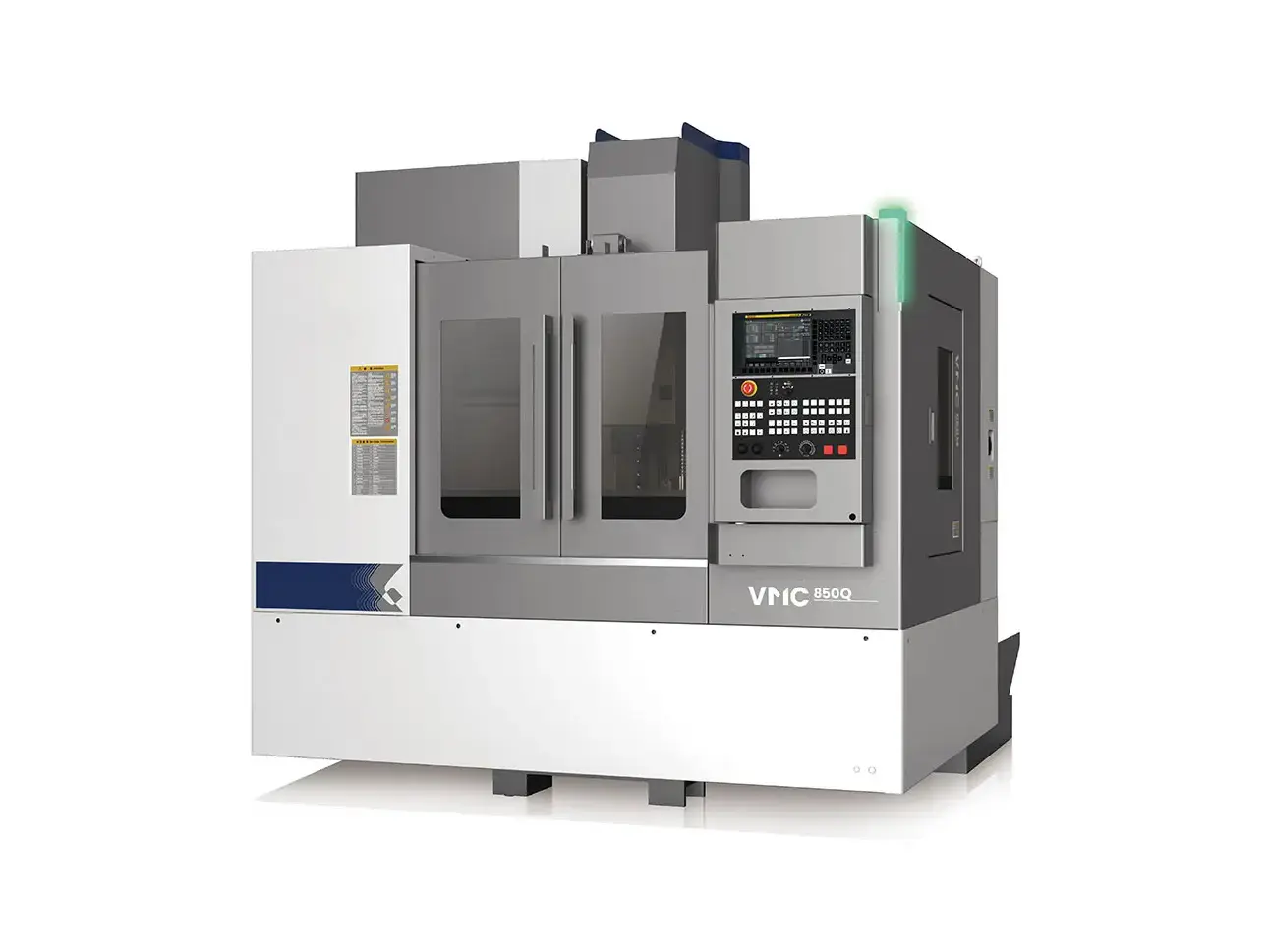 Lathe and Machining Center
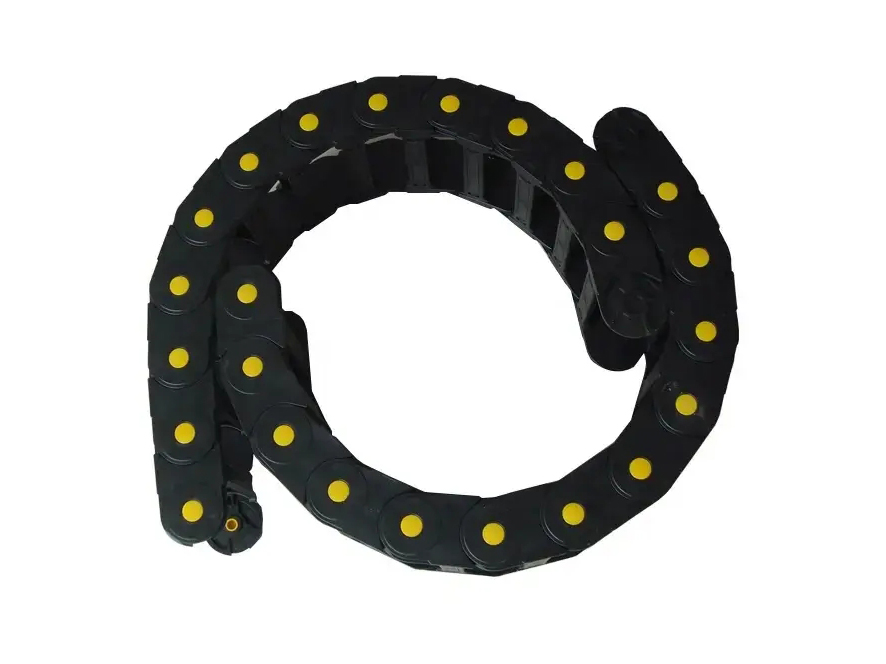 Machine Protection Products