Top Benefits of Handheld Laser Welding Machines for Modern Manufacturing?
The manufacturing industry is undergoing a significant transformation. Handheld Laser Welding Machines are at the forefront of this change. According to a report by ResearchAndMarkets, the global laser welding market is expected to reach $3.4 billion by 2025. This growth highlights a shift towards more efficient and versatile welding solutions.
Handheld Laser Welding Machines offer numerous advantages. They provide precision welding, reduce heat-affected zones, and minimize distortion. This technology enables operators to perform intricate welds in tight spaces. Yet, the initial investment can be daunting for some companies. Many smaller manufacturers may struggle to adopt this advanced technology.
Training and adapting to new methods can also pose challenges. Effective usage requires skilled personnel who can manage these machines correctly. Despite these hurdles, the benefits often outweigh the drawbacks. The potential for faster production times and improved weld quality may significantly enhance profitability. Embracing this technology could be a game-changer for many businesses.
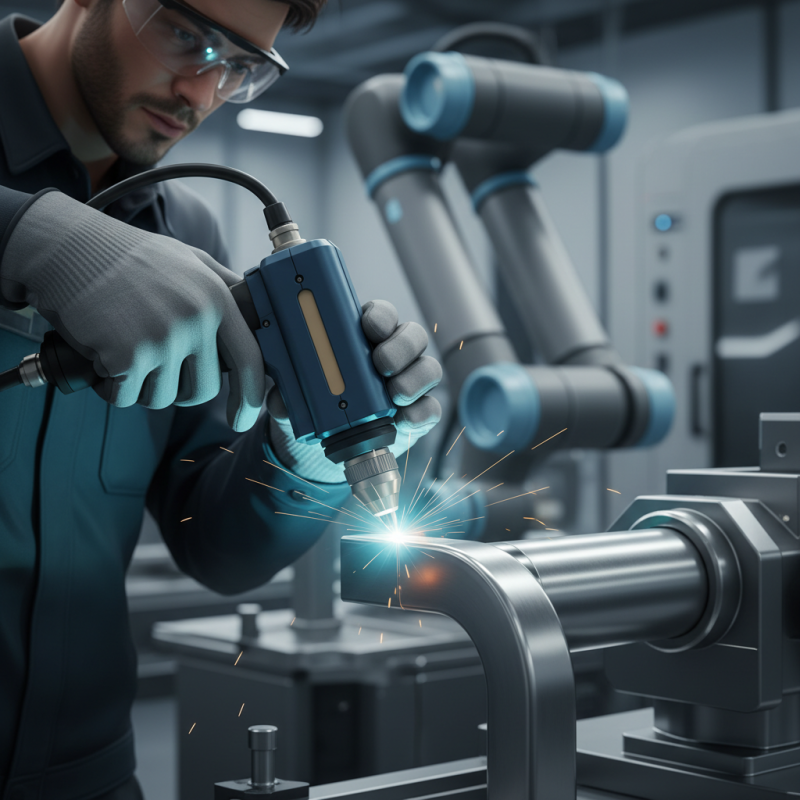
Benefits of Increased Precision in Handheld Laser Welding Machines
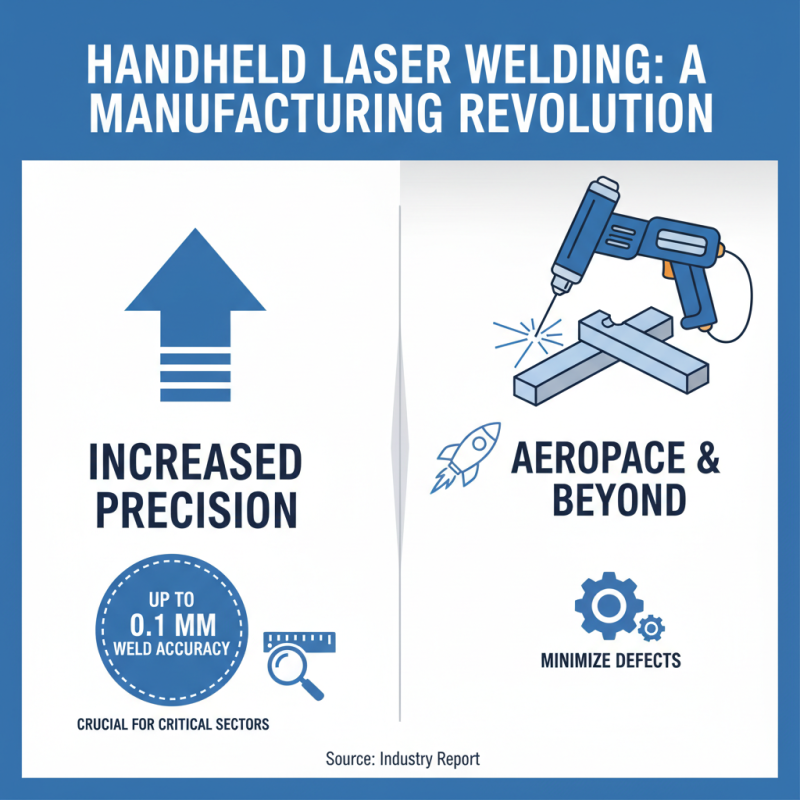
Handheld laser welding machines are revolutionizing modern manufacturing. One major benefit is their increased precision. According to a recent industry report, these machines can achieve weld accuracy levels up to 0.1 mm. This is crucial for sectors like aerospace, where even minor defects can lead to significant issues.
These machines use focused laser beams to join materials. The high degree of focus allows for precision in both thick and thin materials. A survey revealed that manufacturers noticed a 25% reduction in waste when using handheld laser welding. Less waste translates to cost savings and a smaller environmental footprint. However, operators must undergo proper training to maximize these benefits. Without it, the risk of improper usage increases, potentially leading to errors.
Moreover, precise welding reduces the rework rate in production lines. A study showed that companies could save up to 15% on labor costs due to decreased rework. Yet, it's essential to recognize that the initial investment in technology can be daunting. The balance between cost and efficiency remains a topic of discussion. Investing in training and technology is necessary, but it may not always be feasible for all manufacturers.
Reduction in Production Time Through Handheld Laser Technology
Handheld laser welding machines offer profound advancements in manufacturing efficiencies. One significant benefit is the reduction in production time. With precise laser technology, welds can be completed quickly. This leads to faster project timelines. Manufacturers experience a boost in productivity as a result.
The ability to focus tightly on materials minimizes wasted time. Operators can achieve impressive results without excessive setup. For example, a small part can be welded in mere seconds. This speed is crucial for meeting tight deadlines in modern production environments.
**Tip:** Ensure operators receive adequate training. Mastery of laser settings can further enhance speed and accuracy.
While the benefits are clear, there are challenges. Some operators might struggle with the technology at first. Initial mistakes can occur, leading to wasted materials or time. Regular practice and troubleshooting are essential to overcome these hurdles.
**Tip:** Conduct routine equipment checks. Laser performance can vary over time, affecting welding quality. Regular maintenance keeps machines operating at peak efficiency.
Top Benefits of Handheld Laser Welding Machines for Modern Manufacturing
This chart illustrates the various benefits of handheld laser welding machines in modern manufacturing processes, emphasizing the significant reduction in production time among other advantages.
Cost Efficiency: Comparing Handheld Laser and Traditional Welding Methods
In modern manufacturing, cost efficiency is crucial. Handheld laser welding machines offer significant advantages over traditional welding methods. These tools can reduce material costs. They produce less waste, leading to savings. Additionally, the energy consumption of laser welding is often lower, which further decreases operating expenses.
Handheld laser welding machines provide flexibility. They can easily adapt to different materials and thicknesses. This adaptability means less downtime for switching techniques. However, training may be required. Workers must learn specific laser welding skills. This learning curve can initially lead to challenges, but the long-term savings outweigh these hurdles.
Tips for transitioning to handheld laser welding: Invest time in staff training. Understand that mistakes will happen. Always test processes before full implementation. Regular maintenance of equipment ensures reliability. Consider starting with small projects to build confidence. This way, manufacturers can effectively harness the benefits without overwhelming their teams.
Impact on Material Versatility and Weld Quality in Manufacturing
Handheld laser welding machines are revolutionizing modern manufacturing. They offer unmatched material versatility. According to recent industry reports, these machines can effectively weld metals, plastics, and even some composites. This flexibility allows manufacturers to adapt to various projects without extensive equipment changes.
The weld quality produced by handheld laser welders is impressive. Data shows that they achieve penetration depths exceeding 5 mm with minimal heat-affected zones. This results in stronger and cleaner welds. However, some operators may struggle with proper technique, which can lead to inconsistent results. Continuous training is essential to maximize the potential of these machines.
Despite their advantages, challenges exist. Managing the power output is critical. Too high can cause burn-through; too low can lead to weak joints. Moreover, the initial investment can be substantial, prompting some manufacturers to consider cheaper alternatives. Balancing cost and quality remains a key concern in the decision-making process.
Ergonomics and Operator Safety in Handheld Laser Welding Applications
Handheld laser welding machines are gaining traction in modern manufacturing. Their design prioritizes ergonomics, enabling operators to work with ease. An ergonomic setup reduces strain on the body during long hours of use. The adjustable components fit various operator heights, promoting comfortable positioning, which is crucial for efficiency.
Operator safety is a central concern in welding applications. Handheld machines often feature integrated safety systems. These systems include automatic shut-off features that activate during irregular usage. Yet, operators sometimes neglect the importance of proper protective gear. Despite advanced technology, human error remains a factor. Proper training and adherence to safety protocols are essential for protecting workers from potential hazards.
The versatility of handheld laser welders enhances efficiency across environments. Yet, operators must also acknowledge the challenges. Limited experience or training can lead to mistakes in settings. Awareness of surroundings becomes vital, as distractions could compromise the welding process. Reflection on these aspects can lead to better practices and improved safety measures in the long run.

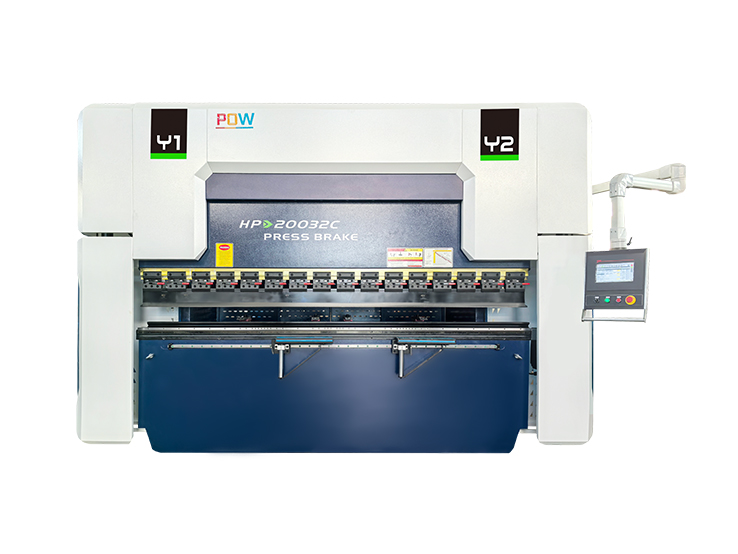 Press Brake
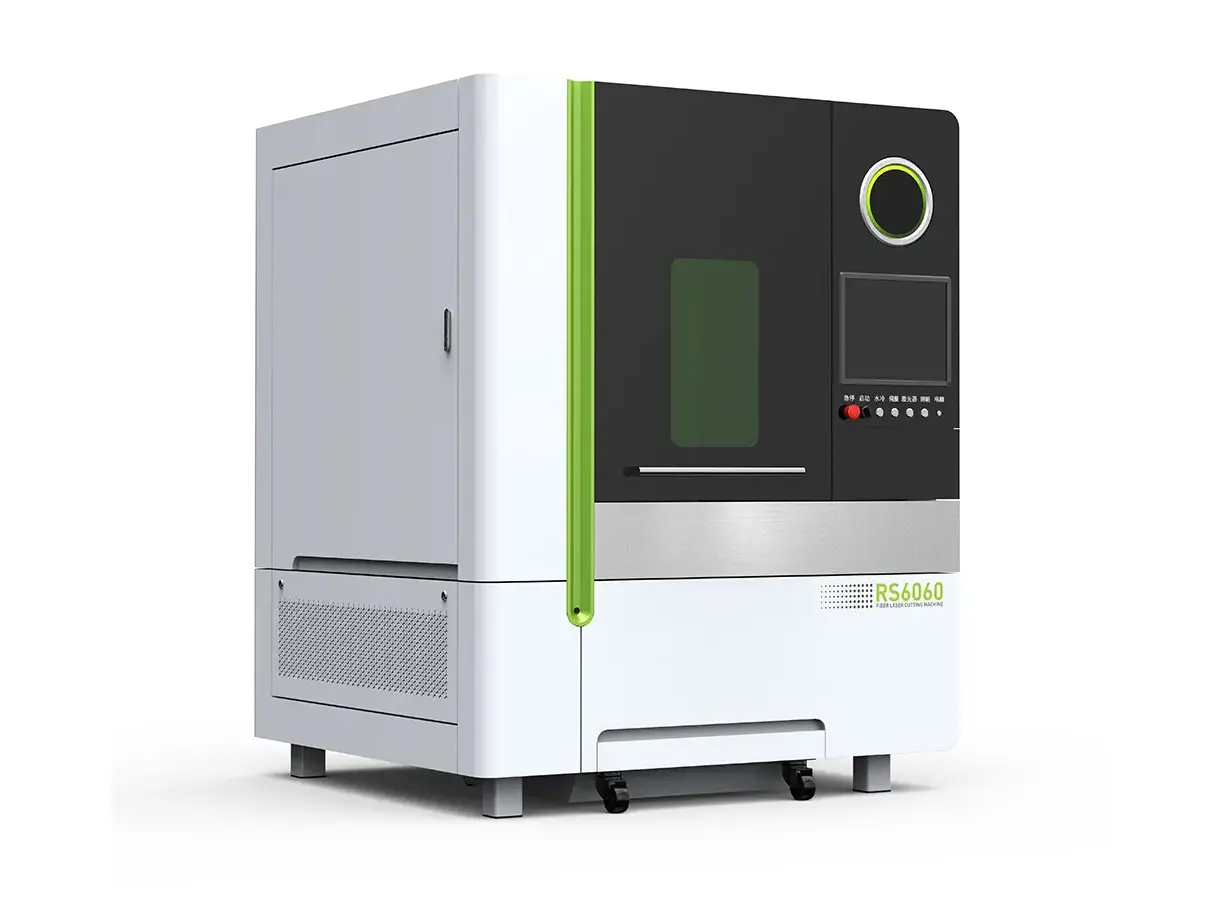 CNC Laser
 Industry Robot
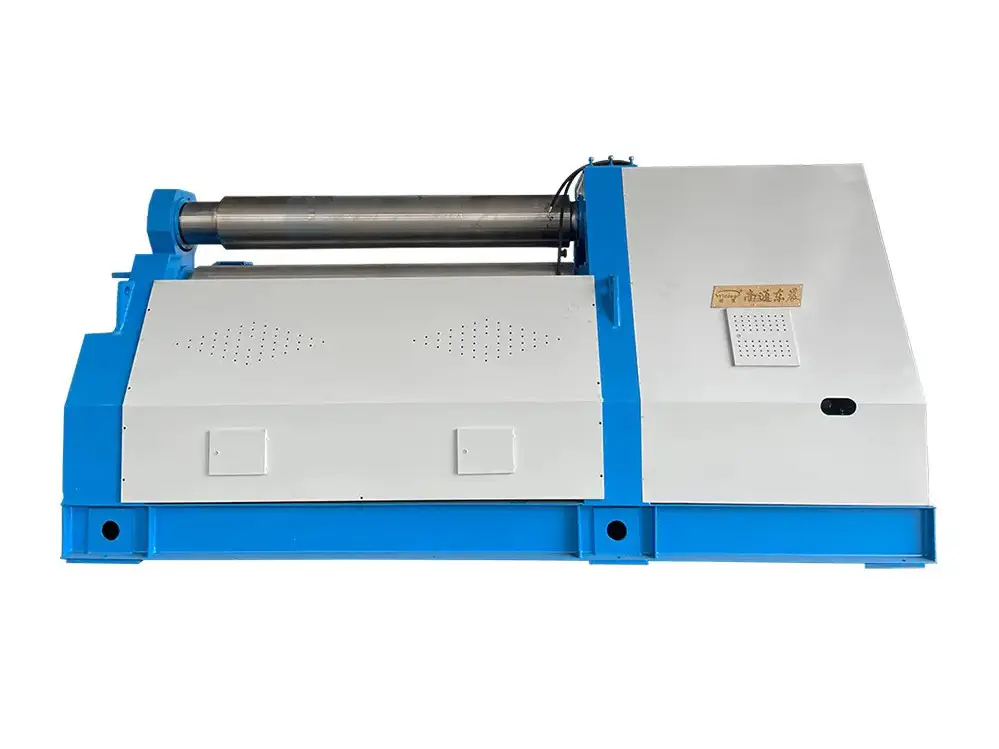 Plate Rolling Machine
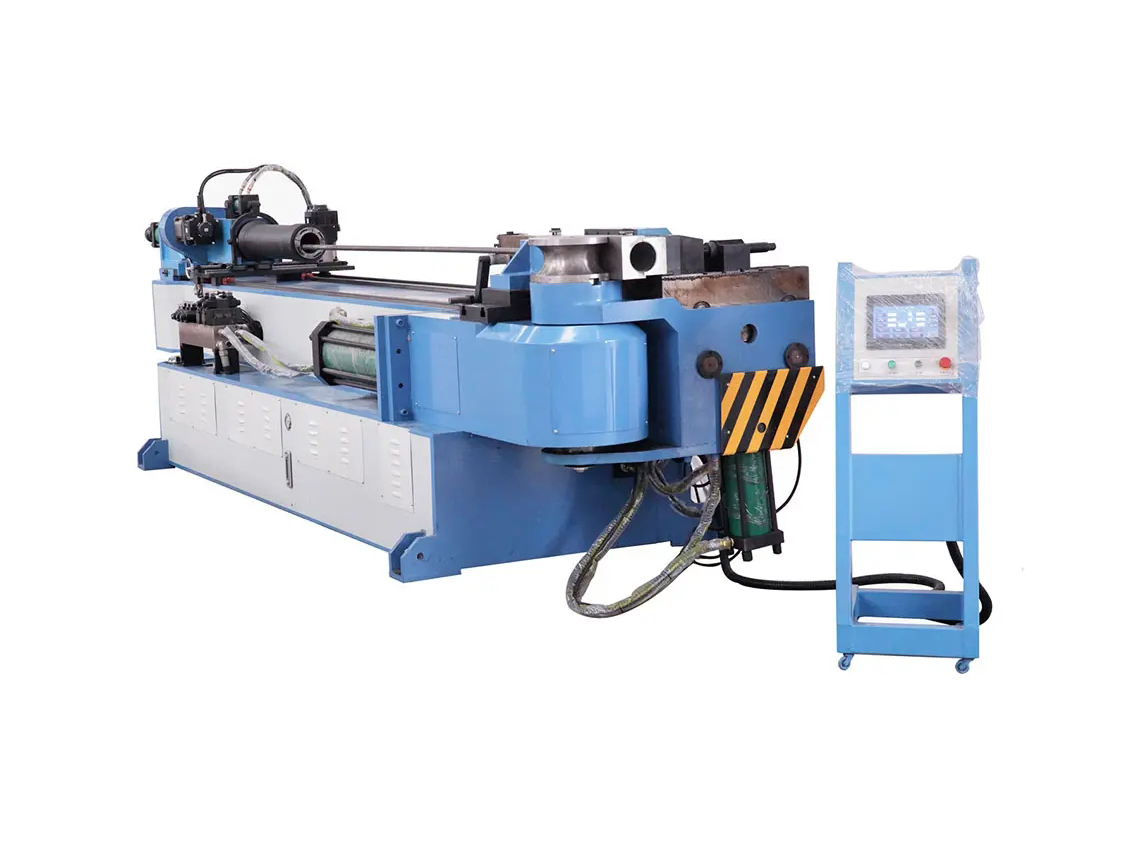 Tube Bending Machine
 Lathe and Machining Center
 Machine Protection Products