Top 10 Benefits of Using CNC Laser Cutting Machines for Your Projects
In today’s competitive manufacturing landscape, precision and efficiency are vital. The CNC laser cutting machine has emerged as a game-changer for various industries. Its ability to deliver high-quality cuts with minimal waste is impressive. Many businesses are adopting this technology, transforming their production processes.
One significant advantage of CNC laser cutting machines is their versatility. They can cut through a variety of materials, including metals, plastics, and wood. This flexibility allows for creativity in project design. However, it is essential to consider that not every project may benefit equally from this cutting method. Sometimes, traditional techniques might suit specific tasks better.
Moreover, while CNC laser technology offers numerous benefits, it does require a learning curve. Operators must gain the necessary skills to harness its full potential. Inexperience can lead to mistakes or inefficient use of resources. Thus, proper training and ongoing education play crucial roles in achieving optimal results. Embracing this technology means continuously adapting and evaluating its impact on your projects.
Advantages of Precision in CNC Laser Cutting for Various Materials
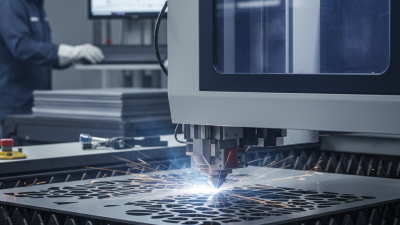
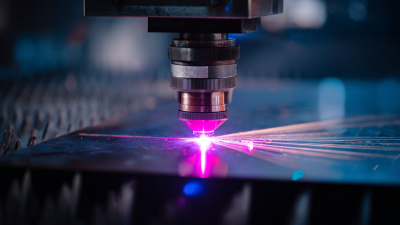
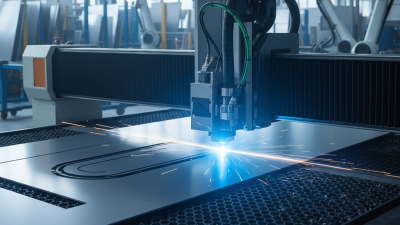
CNC laser cutting machines offer remarkable precision, making them ideal for various projects. The technology uses focused laser beams to cut through materials with extreme accuracy. This means even intricate designs can be executed flawlessly. Whether working with metal, wood, or plastics, the ability to maintain tight tolerances ensures each piece fits perfectly in its application.
Moreover, the versatility of laser cutting allows for different materials to be processed without compromising quality. You can achieve clean edges and smooth surfaces, which reduce the need for additional finishing. However, the setup can be complex, requiring skilled operators who understand the nuances of each material type. Mistakes in settings or machine calibration can lead to wasted materials or unsatisfactory results. This potential for human error underscores the importance of training and experience.
In some cases, laser cutting might not be the best choice due to thickness limitations. Certain materials may require pre-treatment or special handling to prevent damage. Engaging with experts in CNC technology can help navigate these challenges. Their insights can guide you in selecting suitable materials and processing techniques, ensuring a successful outcome for your projects.
Enhanced Speed and Efficiency in Production Processes with CNC Lasers
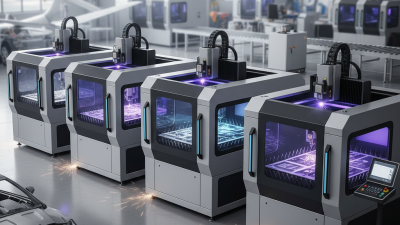
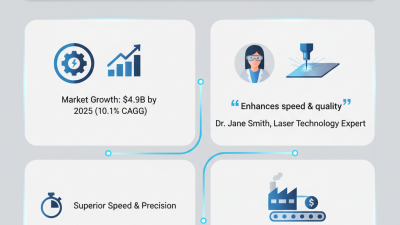
CNC laser cutting machines are revolutionizing production processes. They enhance speed and efficiency significantly. Reports indicate that CNC laser technology can improve production speed by up to 300%. This rapid pace leads to higher output in less time, allowing businesses to meet increasing demand.
Moreover, laser cutting promotes precision. Typically, machines can achieve ±0.1 mm accuracy. Such precision minimizes waste and reduces costs. In sectors like aerospace and automotive, the ability to produce components with exact measurements is vital. This precision also supports complex designs and intricate patterns, which is increasingly important in modern manufacturing.
Despite the advantages, there are challenges. Initial investments in CNC laser systems can be substantial. Additionally, operators need specialized training. Ignoring these factors can result in inefficient operations. Adapting to this technology requires reflecting on existing workflows. Emphasizing automation can yield significant returns, but it is essential to weigh the upfront costs against long-term gains.
Top 10 Benefits of Using CNC Laser Cutting Machines
Cost-Effectiveness and Waste Reduction Through Laser Cutting Technology
When it comes to cost-effectiveness in manufacturing, CNC laser cutting machines stand out. These machines do more than just cut materials; they optimize resource usage. Traditional cutting methods often waste valuable materials. In contrast, laser cutting can achieve precision cuts, significantly reducing scrap. This efficiency allows businesses to save on material costs.
Laser-cutting technology also speeds up production. Faster completion of projects leads to lower labor costs. With fewer steps involved, the overall process becomes streamlined. Job turnaround times shrink, which can improve customer satisfaction. Yet, while the technology is efficient, it requires skilled operators. Often, training might be overlooked. Proper training ensures machines are used to their full potential.
Another aspect to consider is energy consumption. While laser cutting is efficient, energy costs can vary. As projects scale up, energy usage needs to be monitored closely. Balancing machine output and energy costs is essential. Ignoring this could erase savings achieved from material waste reduction. Regular assessments can help maintain a balance that supports overall project viability.
Versatility of CNC Laser Cutting in Different Industries and Applications
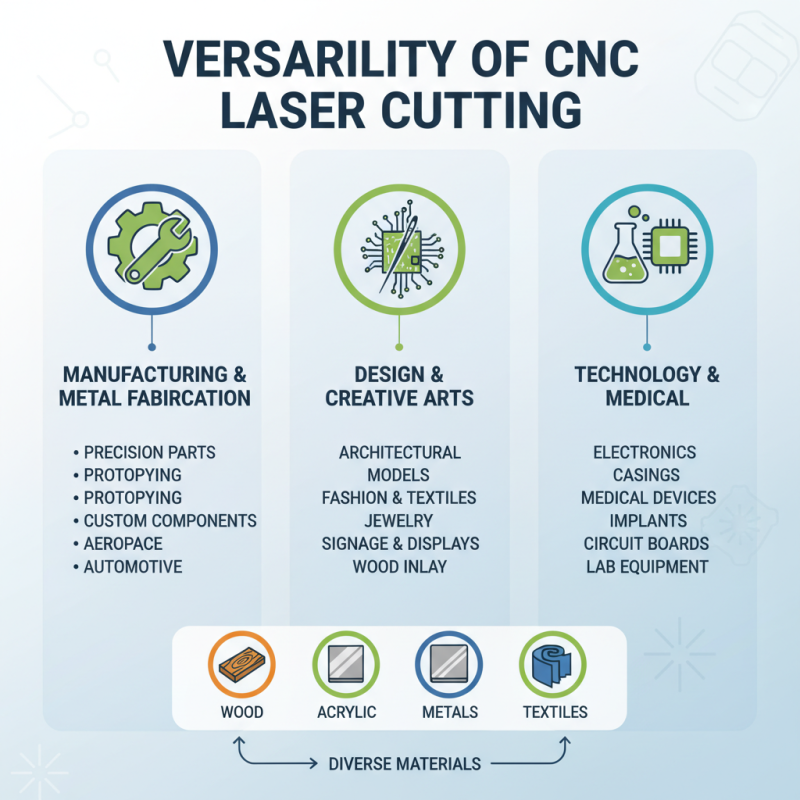
CNC laser cutting machines have transformed various industries. Their precision and speed make them invaluable for many applications. From metal fabrication to intricate design work, the versatility of laser cutting is evident. These machines can easily cut through diverse materials like wood, acrylic, and even textiles. This adaptability allows businesses to expand their capabilities.
In the automotive sector, CNC laser cutting is crucial for producing parts with high accuracy. It reduces waste and saves time. In the fashion industry, designers use laser cutting to create unique patterns and detailed designs. This method introduces complexity in a quick and efficient way. However, the initial investment in equipment can be significant. This barrier may deter some businesses from adopting this technology.
Moreover, the learning curve associated with CNC programming can be steep. Companies must invest time in training staff, which can lead to delays. As with any technology, understanding its limitations is vital. Proper maintenance is key to ensuring long-term functionality. Even with challenges, the ongoing evolution of CNC laser cutting holds promise for future advancements across industries.
Improved Safety Features of CNC Laser Cutting Machines in Workshops
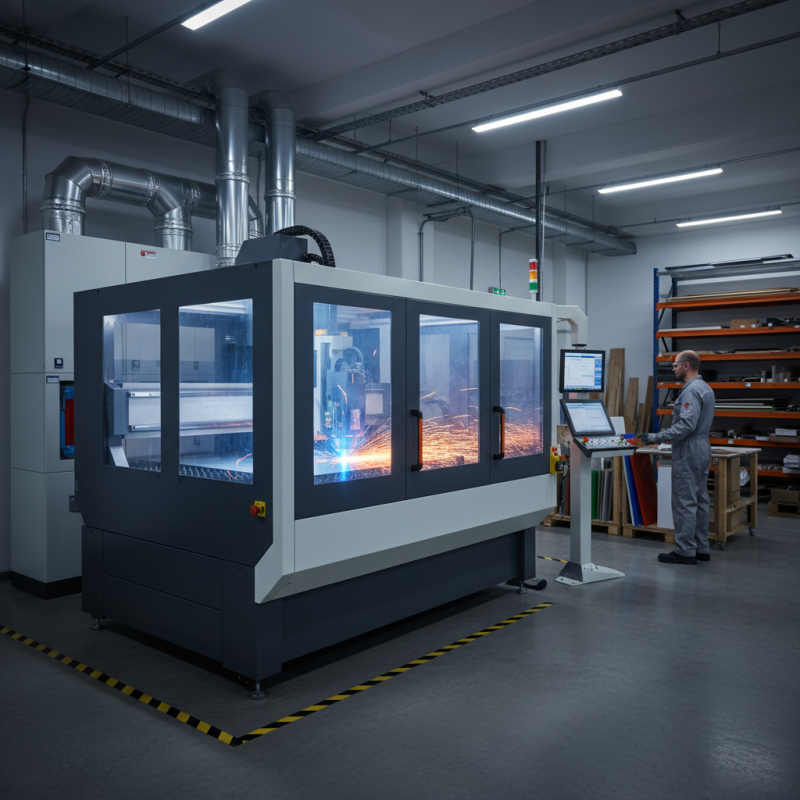
CNC laser cutting machines are revolutionizing workshops with enhanced safety features. They reduce the risk of accidents significantly. Safety sensors and emergency shut-offs are integrated into the design. Operators can control these machines remotely, minimizing contact with hazardous components. This shift enhances overall workplace safety.
Tips for safe operation include wearing proper protective gear. Ensure that the workspace is clean and organized. Regularly inspect machines for wear and defects. Create a safety checklist for operators to follow before starting the machine.
Despite these advancements, vigilance is crucial. Operators may become complacent if they believe machines are entirely safe. Regular training on safety practices is essential. Identify potential hazards in the workspace to mitigate risks effectively. Monitoring safety protocols will help maintain a secure environment.

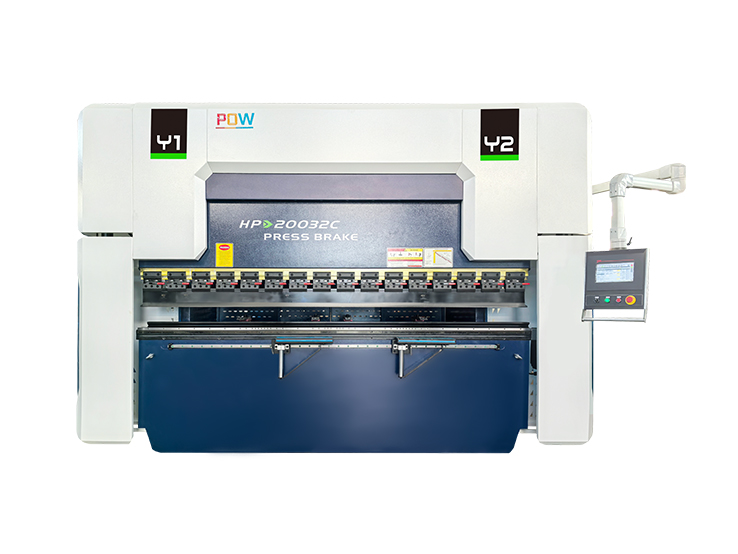 Press Brake
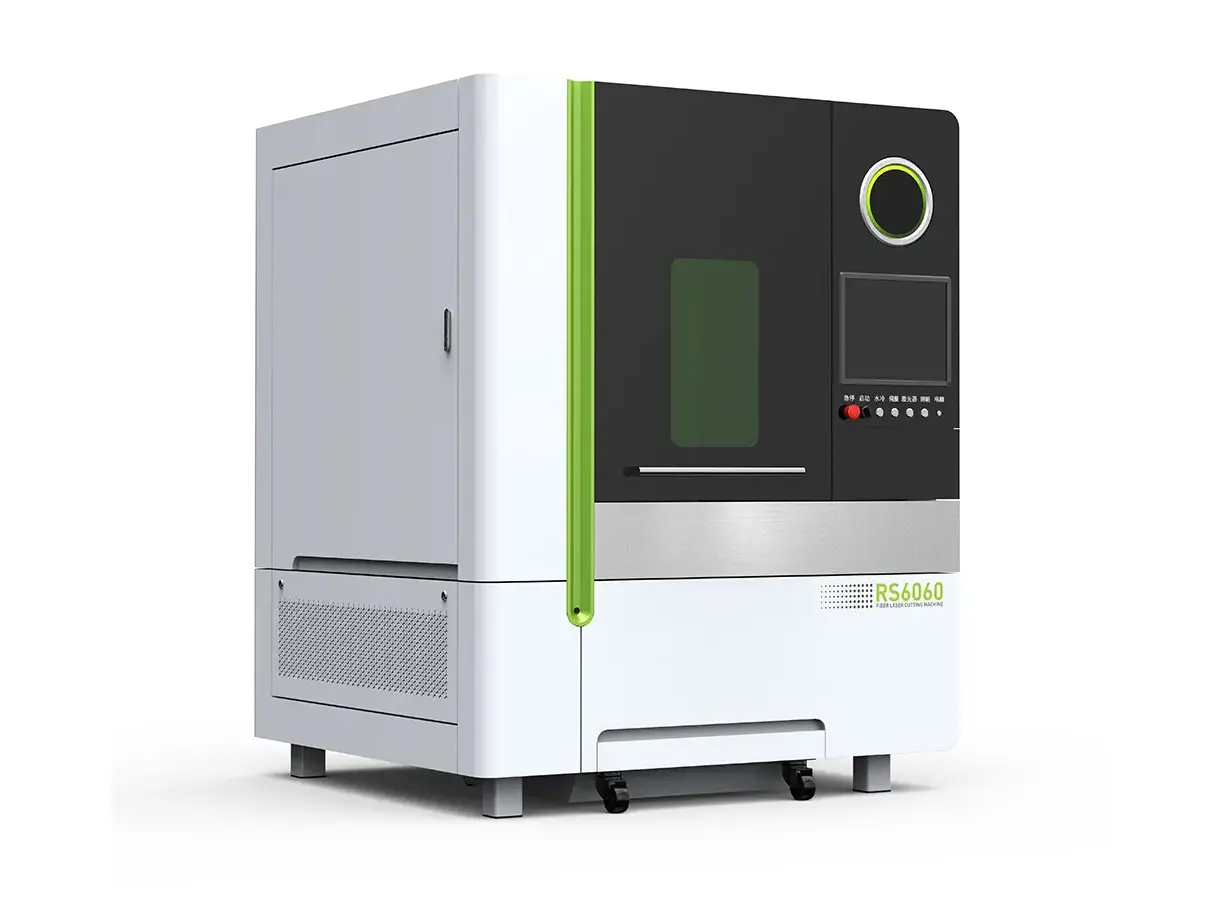 CNC Laser
 Industry Robot
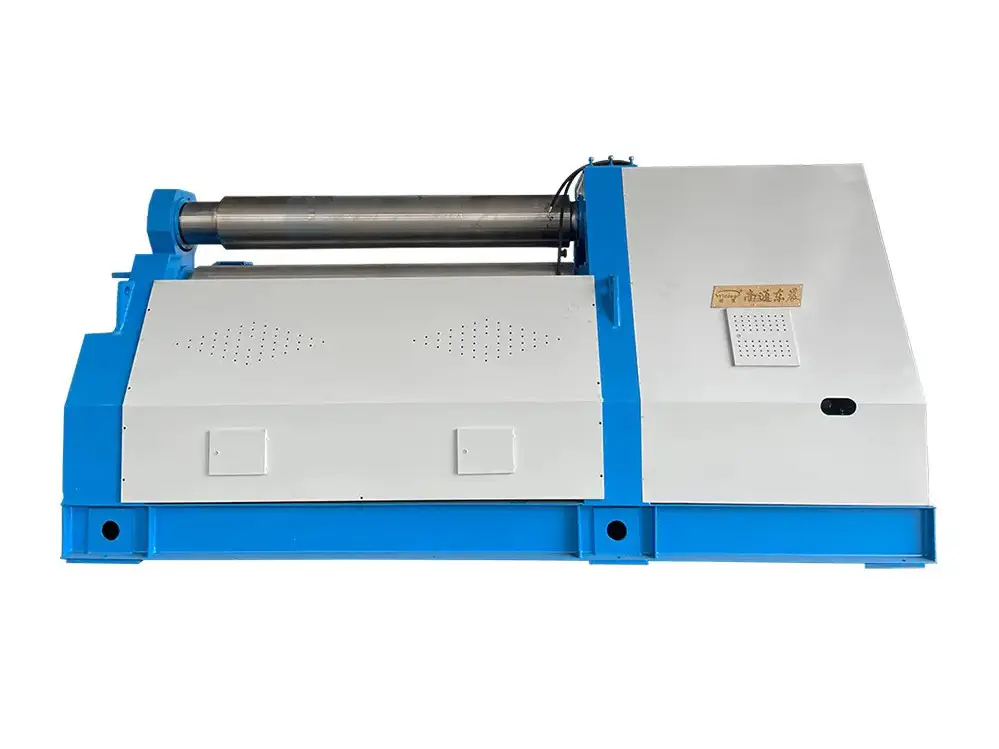 Plate Rolling Machine
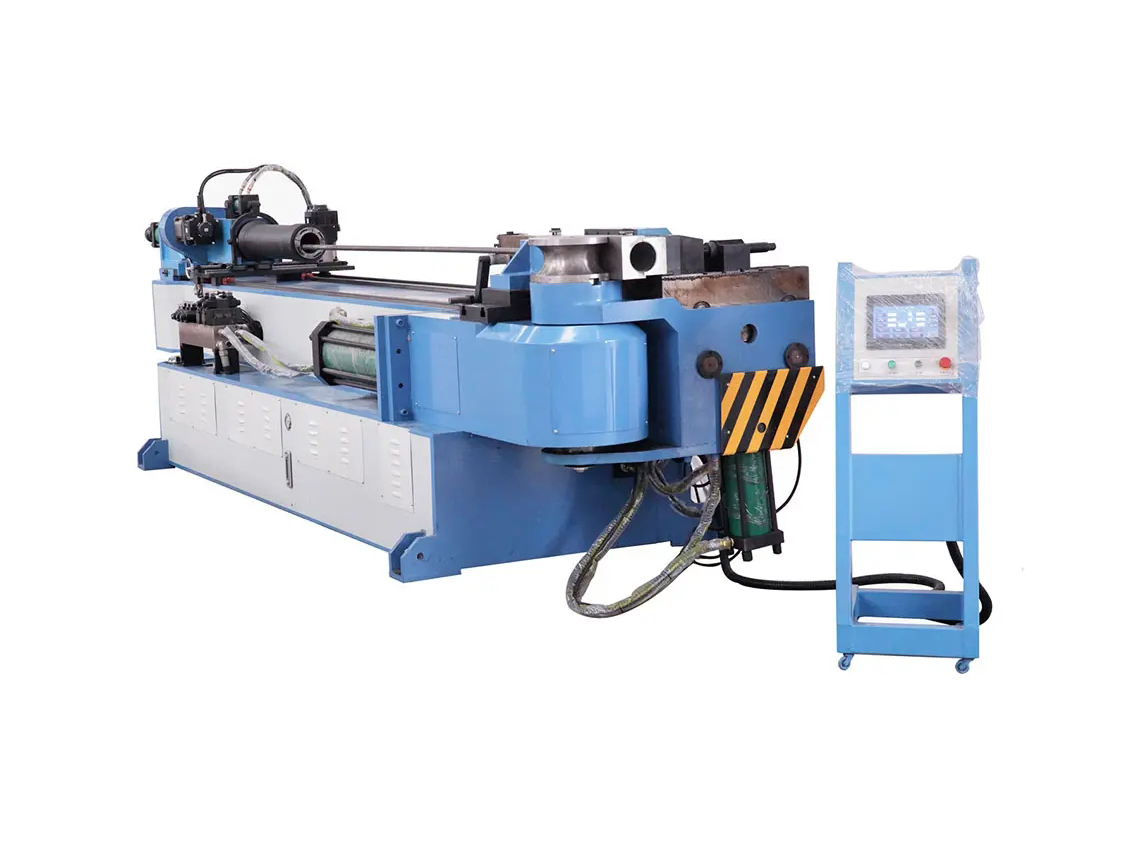 Tube Bending Machine
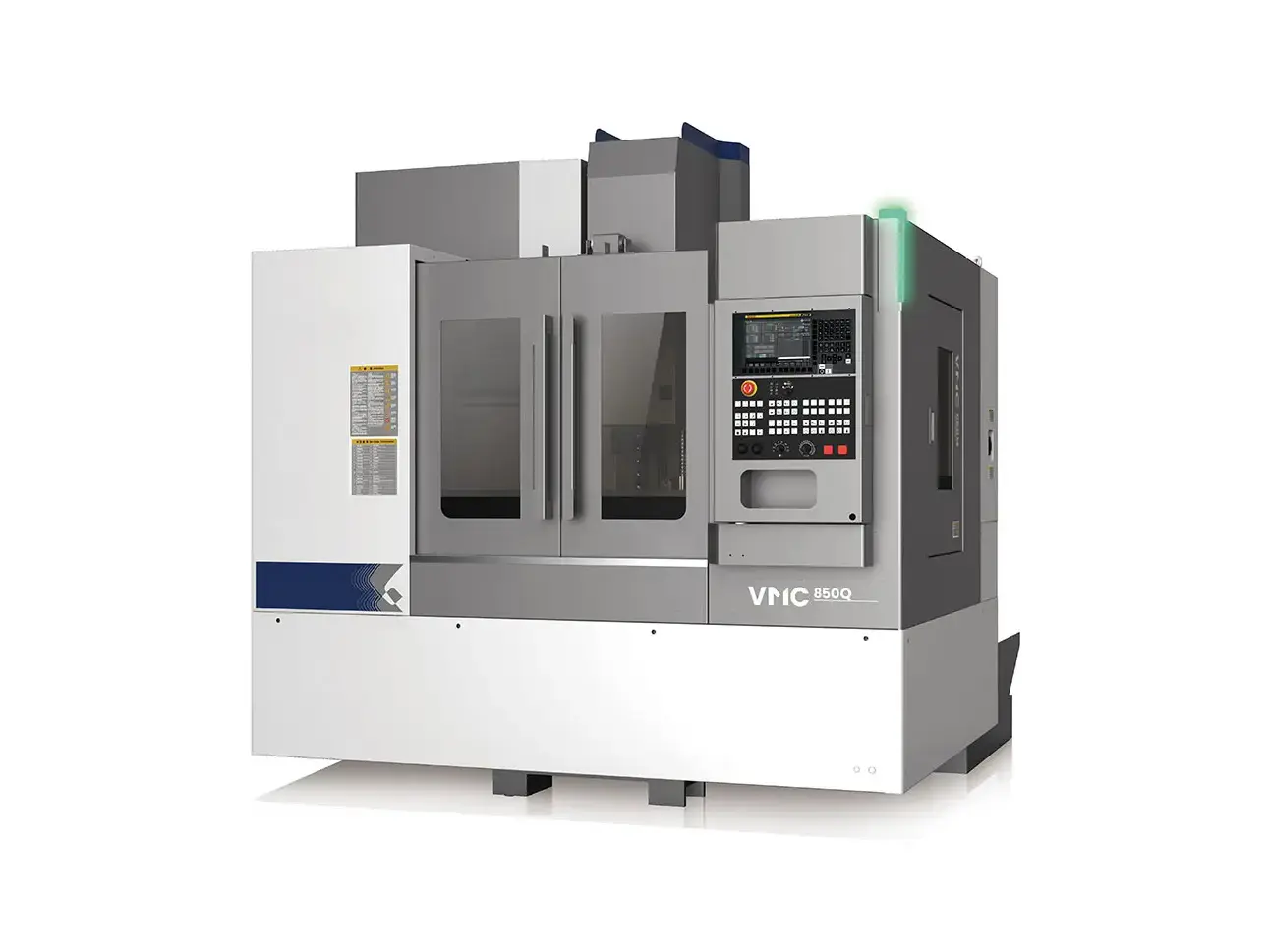 Lathe and Machining Center
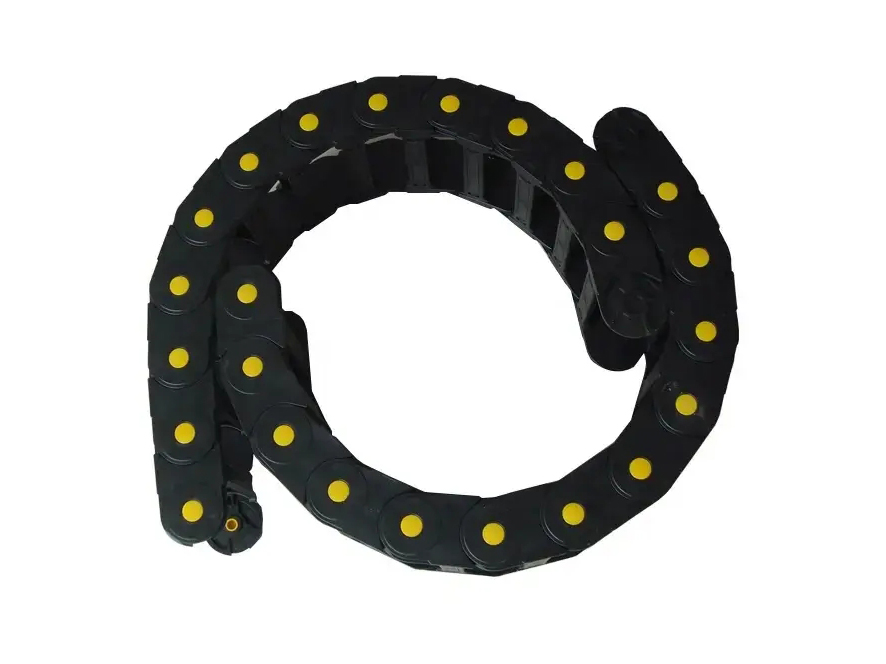 Machine Protection Products